Odd Almanac
Daily article ·
The pigeons that carried their own cameras
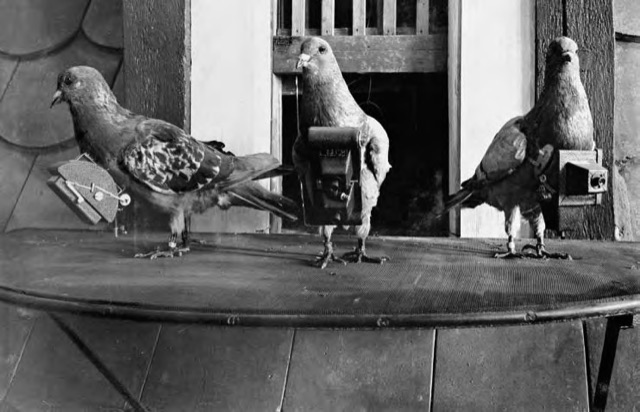
Julius Neubronner fitted miniature cameras to homing pigeons; their aerial pictures became exhibition postcards.
Read the story →One new, source-led article per edition. Alongside it, a story rediscovered from the collection.
Daily article ·
Julius Neubronner fitted miniature cameras to homing pigeons; their aerial pictures became exhibition postcards.
Read the story →Daily article ·
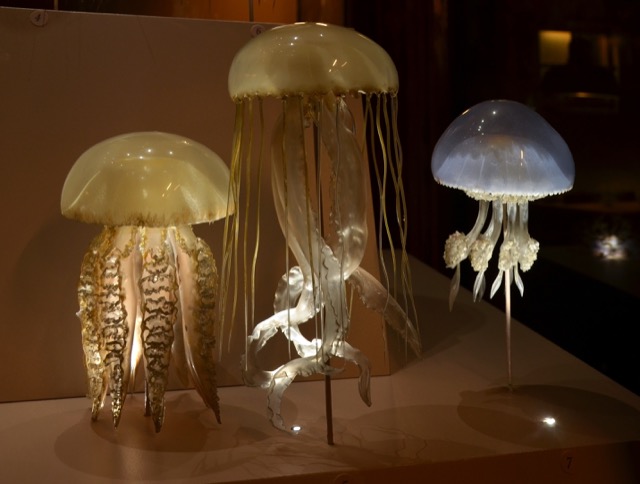
The Blaschkas supplied museums with delicate animal models; restoring Harvard’s collection often meant repairing glue rather than glass.
Read the story →Daily article ·
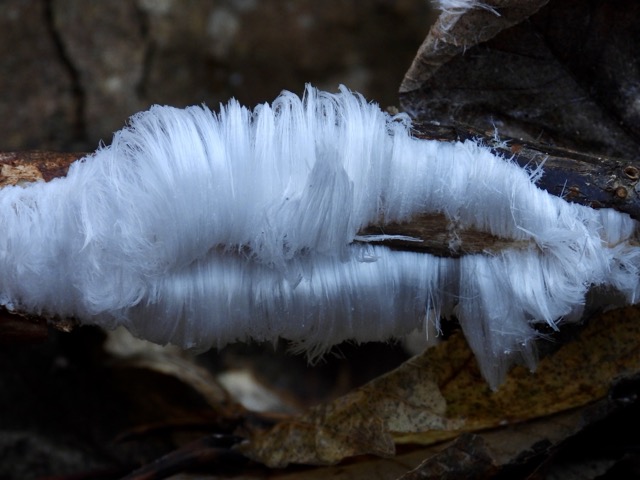
On damp dead wood, fine ice filaments depend on fungal activity; the exact stabilising substance remains an open question.
Read the story →Daily article ·
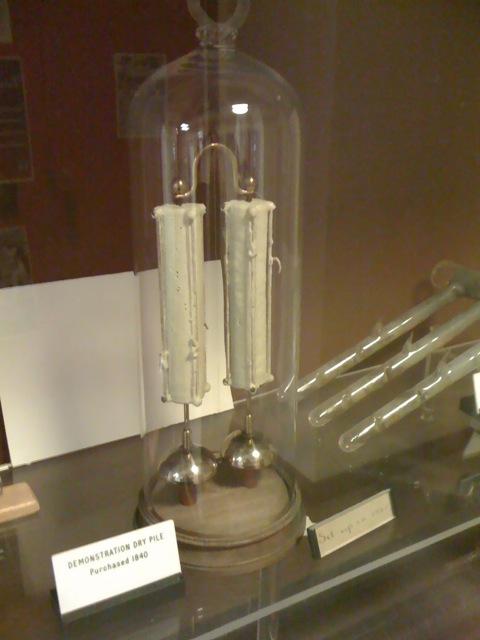
Two old battery stacks drive a tiny clapper; Oxford’s archive records a long working history and an uncertain internal construction.
Read the story →Daily article ·
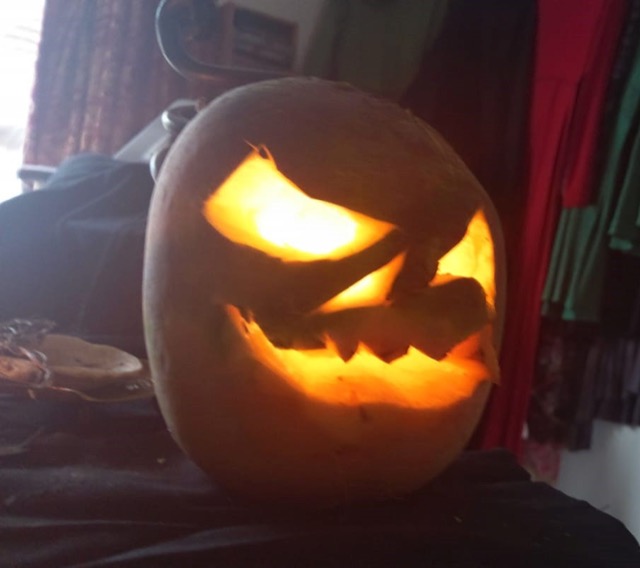
A schoolteacher’s 1943 donation and Eileen Barnes’s painted model preserve a Donegal Halloween lantern tradition.
Read the story →Daily article ·
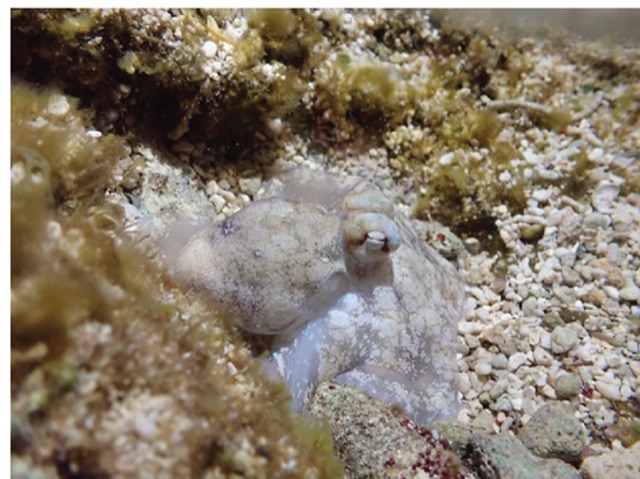
In Octopus laqueus, quiet sleep alternates with brief bursts of colour and brain activity resembling wakefulness.
Read the story →In Animal sleep
Daily article ·
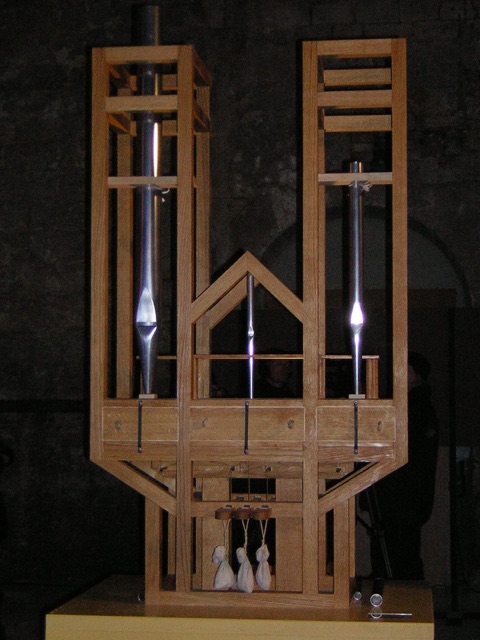
In Halberstadt, John Cage’s “as slow as possible” became a performance planned to continue from 2001 to 2640.
Read the story →Daily article ·
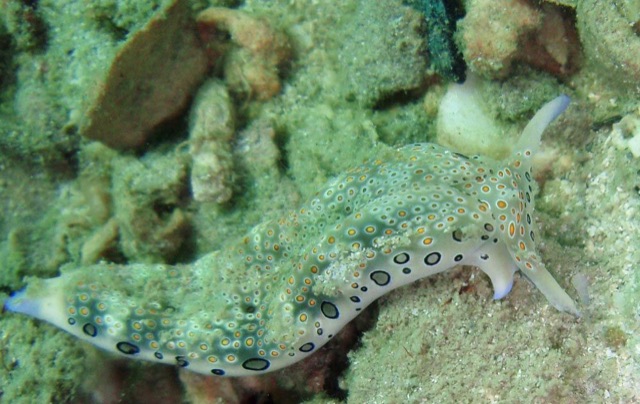
A sea slug retains algal chloroplasts; a genome study tested how this borrowed photosynthesis survives without borrowed nuclear genes.
Backfilled edition · First published .
Read the story →Daily article ·
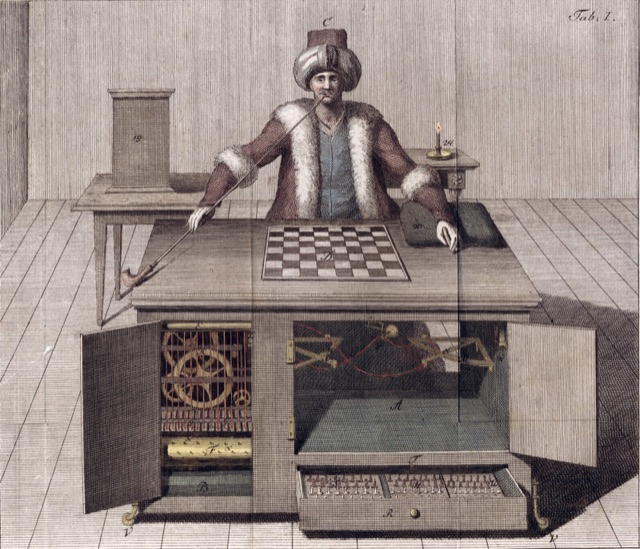
Kempelen’s chess-playing automaton toured as a mechanical marvel, while a hidden human player supplied its moves.
Read the story →Daily article ·
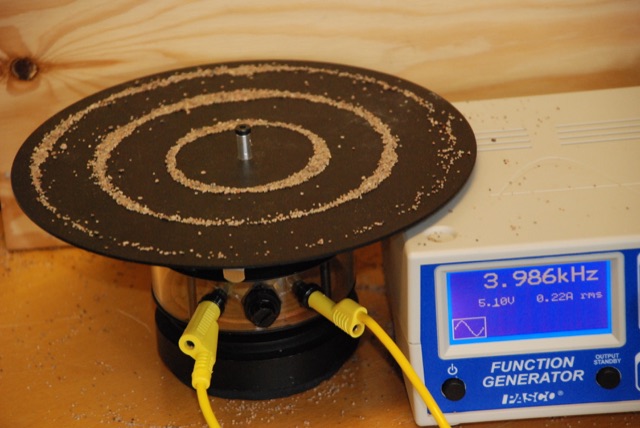
Chladni plates turn vibration into intricate sand patterns, revealing the places where a metal surface stays still.
Read the story →Daily article ·
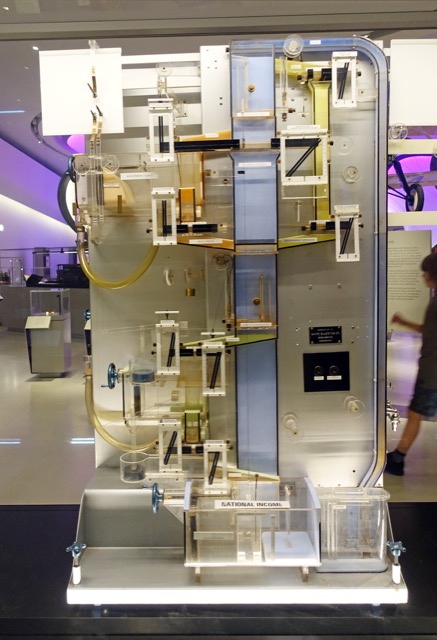
Bill Phillips’s MONIAC used tanks, channels and moving water to make an economic model visible.
Read the story →Daily article ·
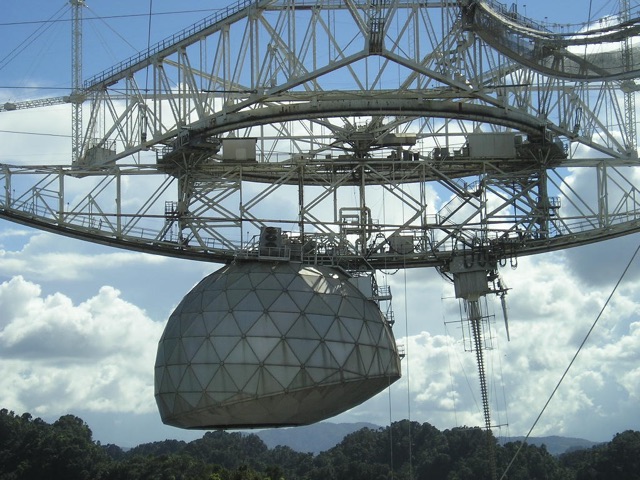
Arecibo’s 1974 radio message arranged numbers, DNA, a human figure and a telescope into a picture encoded in binary.
Read the story →