A directory of documented customs and the objects, skills and stories that carry them. Museum records and attributed folk accounts retain their own context.
Lanterns and seasonal stories
An Irish museum record distinguishes a donated lantern from the model made to preserve its form.
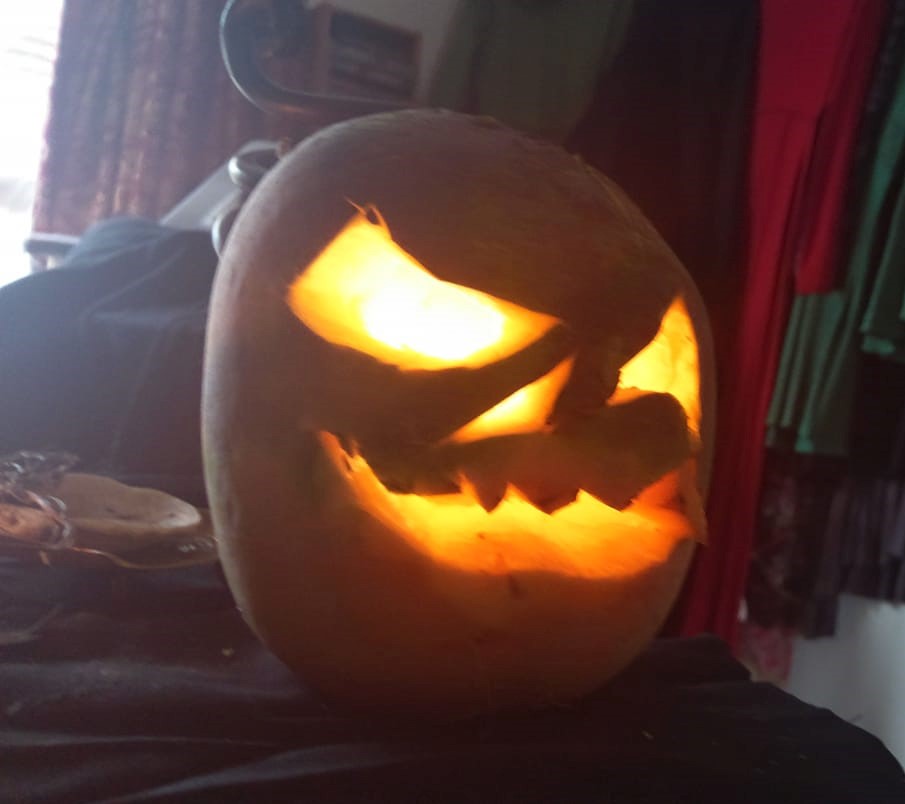
A turnip lantern carved for Halloween 2019, photographed by Smirkybec on 31 October 2019. A modern example, distinct from Eileen Barnes’s plaster model in the National Museum of Ireland. Smirkybec / Wikimedia Commons · CC BY-SA 4.0
History & recordFirst-party institutional account · Undated collection record; lantern received 1943
The museum’s ghost turnip is made of plaster
A schoolteacher’s 1943 donation and Eileen Barnes’s painted model preserve a Donegal Halloween lantern tradition.
Added · Daily discovery
A museum’s ghost turnip sounds like an unusually durable vegetable. The National Museum of Ireland’s catalogue identifies its object as a plaster-cast model, created and painted by museum artist Eileen Barnes.
In 1943, schoolteacher Rois Ní Braonáin gave the museum a turnip lantern from near Fintown in County Donegal. She described it as the sort made locally around 1900. The collection number is F1943.350; the account preserves both the teacher’s contribution and the artist’s work.
The museum records that candles went inside carved turnips, which were used to frighten people on 31 October. It describes today’s pumpkin lantern as an American development of that Irish custom.
Its account also connects the name Jack o’ Lantern with a folktale: Jack is refused entry to both Heaven and Hell and must keep wandering with a lantern. That is the story attached to the object, rather than a claim that a supernatural encounter occurred.
The photograph here shows a modern turnip lantern carved for Halloween in 2019. It illustrates the material and carved face; it is not Barnes’s museum model.
Folklore and collection history. The credited modern photograph illustrates a turnip lantern; the museum’s plaster model is a different object.
National Museum of Ireland · Undated collection record; lantern received 1943 Exact museum object account read in full. It distinguishes the 1943 turnip donation from Eileen Barnes’s painted plaster-cast model, records the teacher’s account of the local 1900 custom and attributes the Jack story to folklore. No ancient single-origin proof, full folklore archive or wider museum catalogue is claimed. Ghost turnip · F1943.350 ↗ (external source, opens a new tab) · In the source library
Art & literatureMuseum collection record · 18th-century object; 2024 curatorial note
The small dream-eater carved to fit a kimono
Museum records preserve the nightmare-eating baku as both a mythical protector and a compact netsuke subject.
The baku in Japanese art is assembled from recognisable animal parts. LACMA’s curatorial note describes a mythic creature associated with an elephant’s trunk, tusks, tiger-like paws and other features. Its particular role in the stories is benevolent: it consumes bad dreams.
The museum traces this figure to Chinese folklore and documents its later appearance in Japanese books, prints and netsuke. The protective power belongs to that tradition. A carved representation is a record of belief and design, not a demonstration that nightmares have an external animal cause.
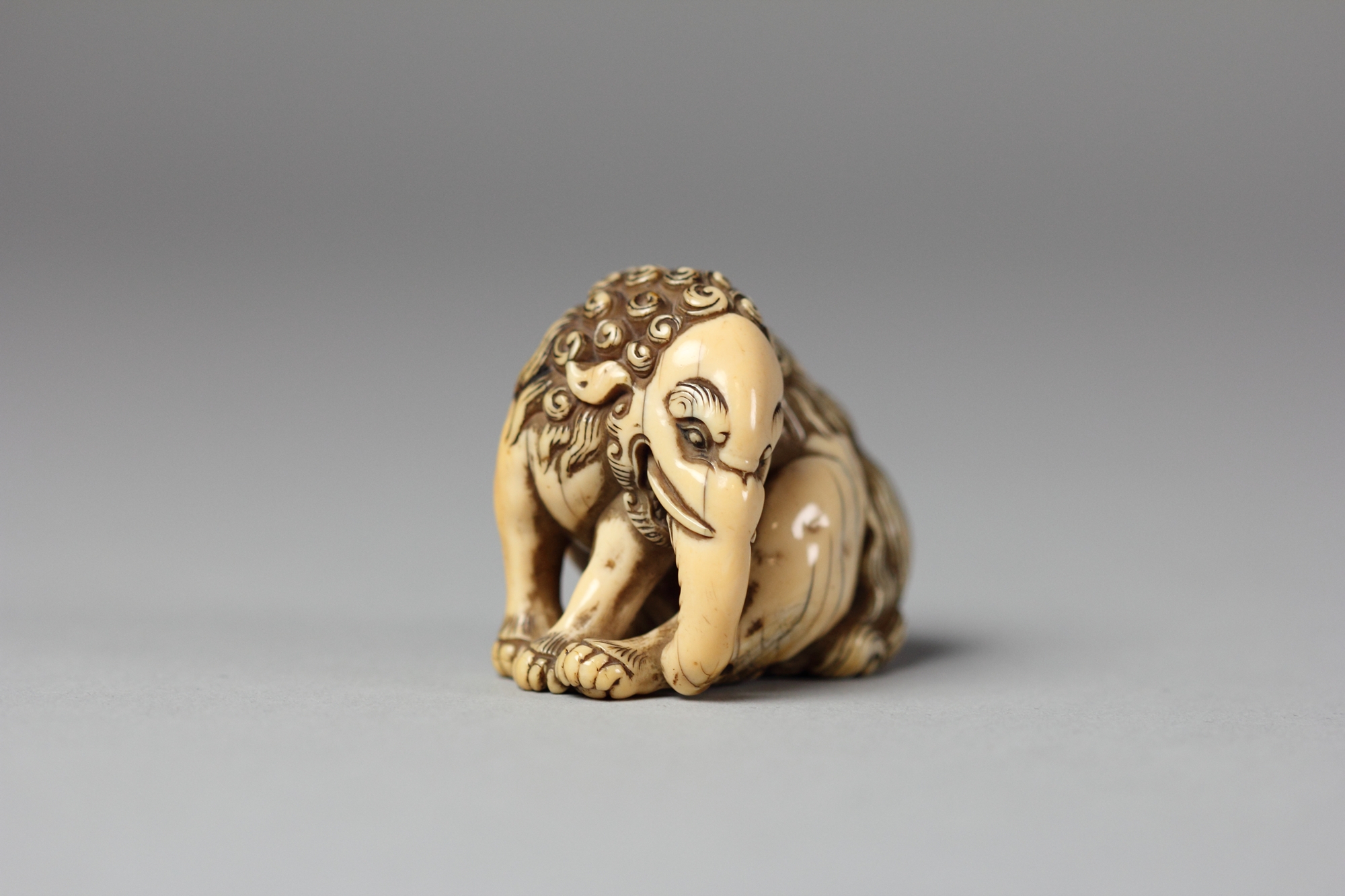
As a netsuke, the creature also had a practical requirement. LACMA explains that carvers needed a compact form without fragile projections that could break or catch clothing. A separate nineteenth-century seated baku in the Met’s collection supplies the photograph here. It is a later example of the subject, not the eighteenth-century LACMA object discussed in the principal note.
Attributed folklore and two separate museum objects; no protective efficacy claimed.
Los Angeles County Museum of Art · 18th-century object; 2024 curatorial note Complete object data and curatorial note read: composite-animal traits, Chinese origin, nightmare-protector belief and compact netsuke design. This is documentation of belief and craft. Writer read meaningful exact source text. Desktop and phone browser QA is pending; no audio, video or physical visit is implied. Baku: Monster that Eats Nightmares ↗ (external source, opens a new tab) · In the source library
The Metropolitan Museum of Art · 19th-century object; undated catalogue Complete10.211.1107record read: ivory, nineteenth-century date, dimensions, gift credit and Public Domain image notice. Its photograph shows the later Met object, not LACMA’s earlier carving. Writer read meaningful exact source text. Desktop and phone browser QA is pending; no audio, video or physical visit is implied. Netsuke of Seated Baku (mythical animal) ↗ (external source, opens a new tab) · In the source library
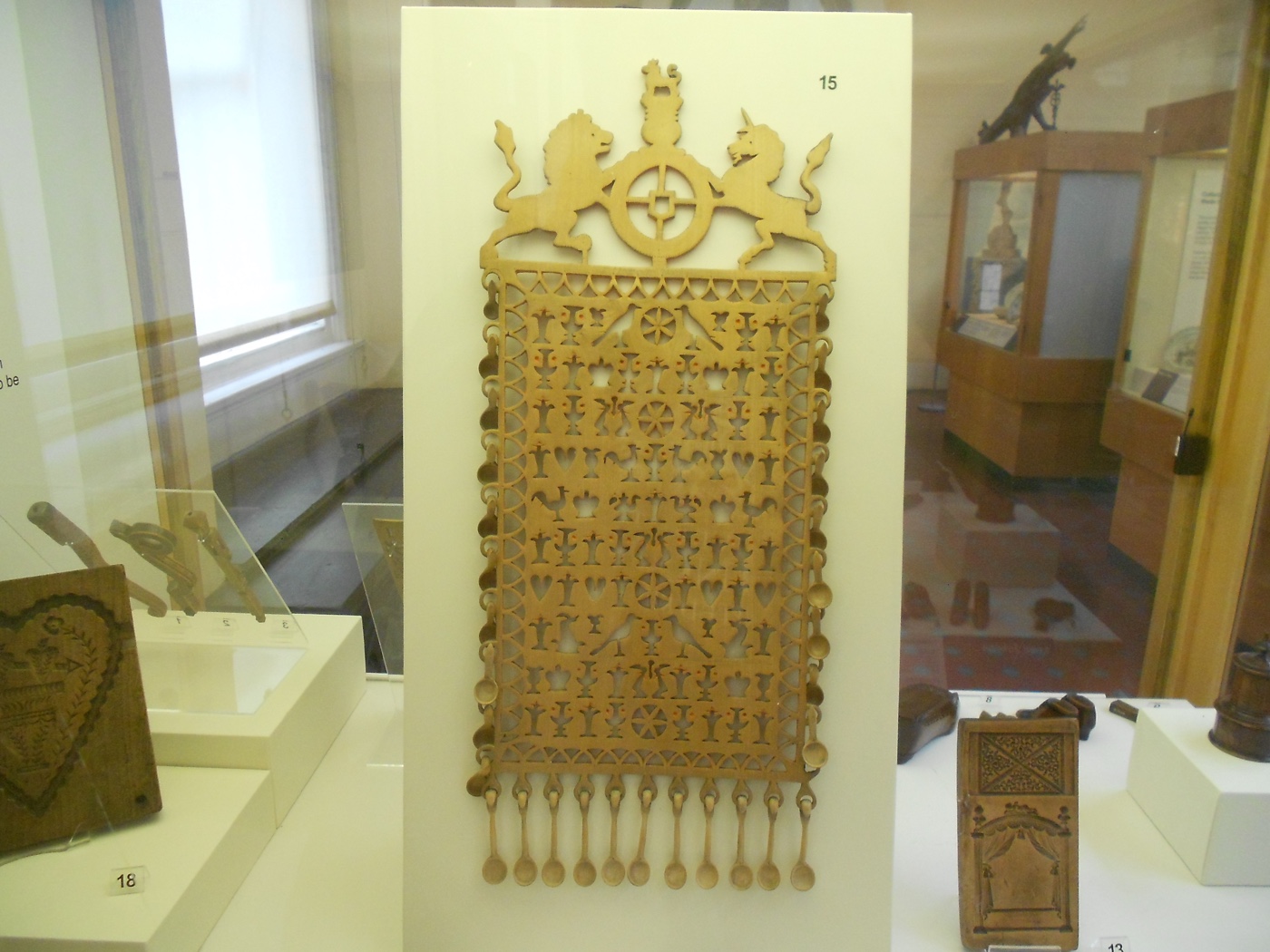
A nineteenth-century North Welsh wedding-presentation lovespoon panel at Birmingham Museum and Art Gallery, photographed in 2019. Its elaborate panel form is an unusual example of the carving tradition. Catlemur · CC BY-SA 4.0
Art & literatureMuseum cultural-history documentation · 25 January 2024 displayed publication date
The love token carved from a single piece of wood
Welsh lovespoons carry dates, initials and motifs whose meanings have changed over time.
A wooden spoon can be a message rather than a utensil. Amgueddfa Cymru’s account describes Welsh lovespoons as carefully carved gifts of affection, often made from a single piece of wood. The oldest dated spoon in its collection bears the year 1667.
The museum is cautious about the custom’s beginnings: precise origins are unclear, and historical evidence for individual courtship stories can be sparse. Its collection is strongest on surviving objects, including eighteenth- and nineteenth-century examples and modern work.
Hearts, chains, wheels and enclosed balls invite interpretation, but the account does not reduce every carving to one fixed code. Possible meanings vary, and some personal intention may remain unrecoverable. The practice also changed: gifts once associated primarily with courtship now mark weddings, birthdays and other occasions. More recent Welsh emblems join the older romantic designs. The freely readable history is the recommended route, without requiring a purchase from the museum shop.
Museum account preserves uncertain origins and competing readings of symbols.
Amgueddfa Cymru — Museum Wales · 25 January 2024 displayed publication date Complete main history, symbolism account and gallery captions read. Precise origins and personal motif meanings remain uncertain. Older 2012URL redirects here; displayed publication date is25January 2024. Shop/design-tool branches not recommended. Writer read meaningful exact source text. Desktop and phone browser QA is pending; no audio, video or physical visit is implied. Welsh love spoons ↗ (external source, opens a new tab) · In the source library
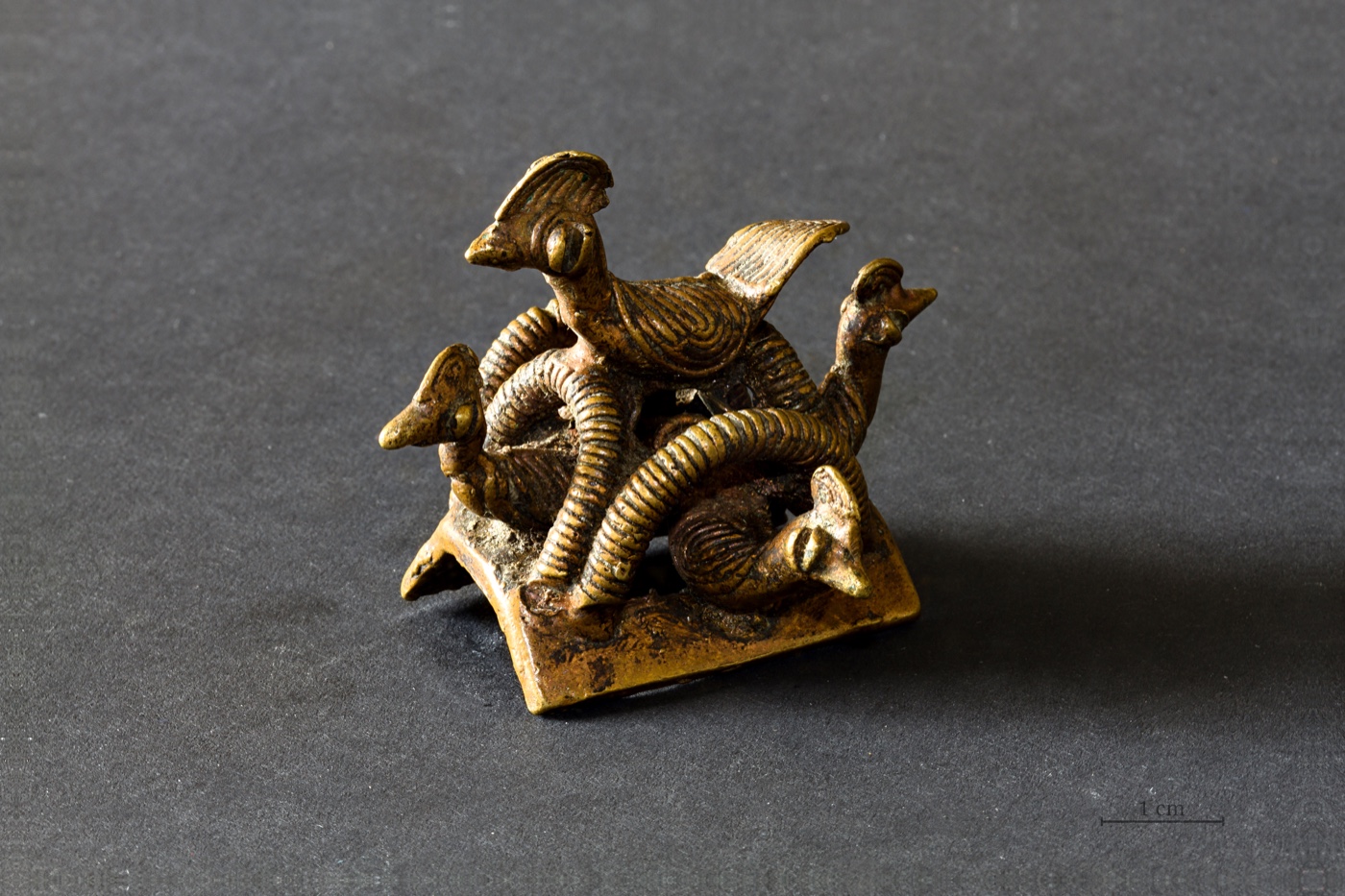
A nineteenth-century Akan brass goldweight showing birds on a cage-shaped base, from the Muséum de Toulouse (MHNT.ETH.2010.25.122), photographed in 2013. It is a different figurative example from the proverb weight described in the article. PierreSelim · CC BY 3.0
Art & literatureMuseum cultural-history documentation · Undated collection essay
The tiny brass weights that also carried proverbs
Akan gold-dust weights combine measurement with miniature figures and verbal traditions.
Miniature brass figures can be practical measuring tools. The Museum of African Art in Belgrade documents weights made for the gold-dust trade of Akan peoples in Ghana. Goldsmiths cast them in sets for use with weighing scales.
Its collection account separates geometric forms from figurative ones. The latter can represent plants, animals, people or familiar objects. Some are associated with sayings: the museum interprets two men helping one another at a tree through a proverb about a good choice attracting assistance.
Alexander Ives Bortolot’s Met essay adds a historical distinction. Geometric weights came earlier; court-related naturalistic forms and later proverbial scenes belong to changes over time rather than one unchanging design tradition. The objects therefore invite two kinds of reading: their measured mass and their culturally situated imagery. Specific translations should stay attached to a documented interpretation, instead of being invented from an animal’s appearance.
Museum descriptions of historical trade objects and attributed proverb readings.
Museum of African Art, Belgrade · Undated collection essay Entire collection essay read: geometric/figurative weights, brass gold-dust measurement and the museum’s two-men-at-a-tree proverb interpretation. Broader virtual tour not reviewed. Writer read meaningful exact source text. Desktop and phone browser QA is pending; no audio, video or physical visit is implied. Goldweights ↗ (external source, opens a new tab) · In the source library
Alexander Ives Bortolot / The Metropolitan Museum of Art · October 2003 Complete essay read; use restricted to gold-dust weight systems and chronology of figurative/proverbial forms. Author’s proposed historical explanations retain their scope. Writer read meaningful exact source text. Desktop and phone browser QA is pending; no audio, video or physical visit is implied. Gold in Asante Courtly Arts ↗ (external source, opens a new tab) · In the source library
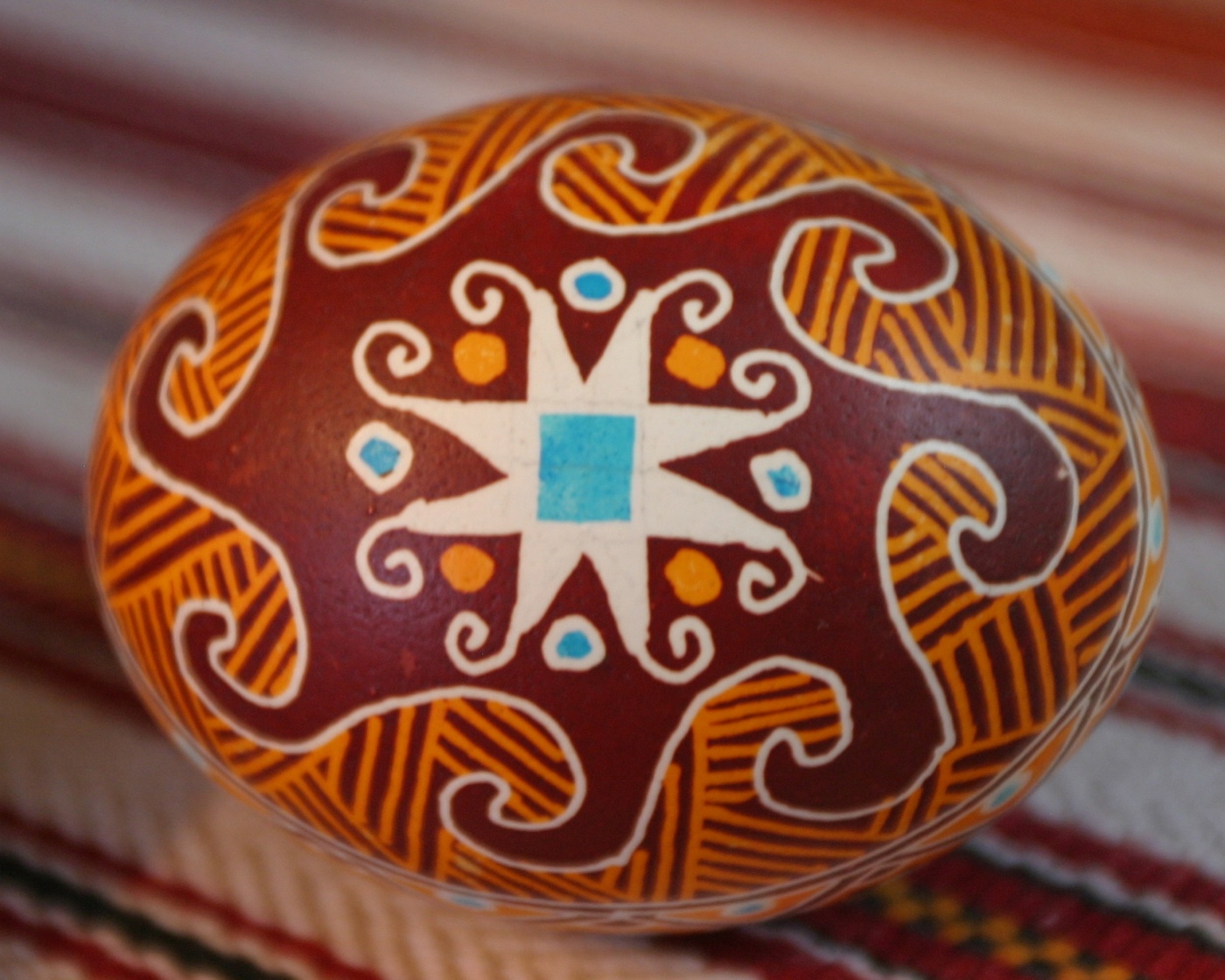
A traditional Ukrainian pysanka with a meander, or bezkonechnyk, motif, photographed in 2010. This is a contextual example of the decorated-egg tradition; its maker is not identified. Lubap · CC BY-SA 4.0
Art & literatureMuseum cultural-history documentation · Undated museum collection activity
The egg designs described as writing
Pysanky preserve coloured patterns through wax, with meanings carried between families and collections.
Pysanky are decorated eggs whose patterns are described as written. The Canadian Museum of History explains that wax protects selected parts of the shell while colour is applied. Its collection includes designs drawn from plants, animals and geometry.
The museum places these eggs within Ukrainian cultural heritage and also discusses their place in Ukrainian communities in Canada. Protective powers and later Christian meanings belong to the history of the custom; the page presents them as cultural beliefs rather than effects established by an experiment.
A small New York collection supplies a named history of transmission. Crandall Public Library’s finding aid records that Marge Prehoda learned a Ruthenian technique from a Granville priest in the 1970s, and later taught children with her daughter Karen Folger. The library acquired eggs and a display basket in 1997. That local record documents particular people and teaching, without making every regional form of decorated egg interchangeable.
Distinct regional traditions retained; Crandall’s inconsistent egg counts are omitted.
Canadian Museum of History · Undated museum collection activity Main cultural history, collection descriptions and ordinary household craft/activity text read. Traditional protective meanings remain attributed. No linked video or outside activity certified. Writer read meaningful exact source text. Desktop and phone browser QA is pending; no audio, video or physical visit is implied. Design Your Own Pysanky ↗ (external source, opens a new tab) · In the source library
Erica Gonyea / Folklife Center, Crandall Public Library · 2019 finding aid for 1997 acquisition Both PDFpages read: named maker Marge Prehoda, Ruthenian technique learned in the 1970s, children’s workshops and 1997purchase. Header says7eggs while detailedlist says11; draft omits counts. Writer read meaningful exact source text. Desktop and phone browser QA is pending; no audio, video or physical visit is implied. Pysanky (Decorated Easter Eggs) and Easter Basket ↗ (external source, opens a new tab) · In the source library
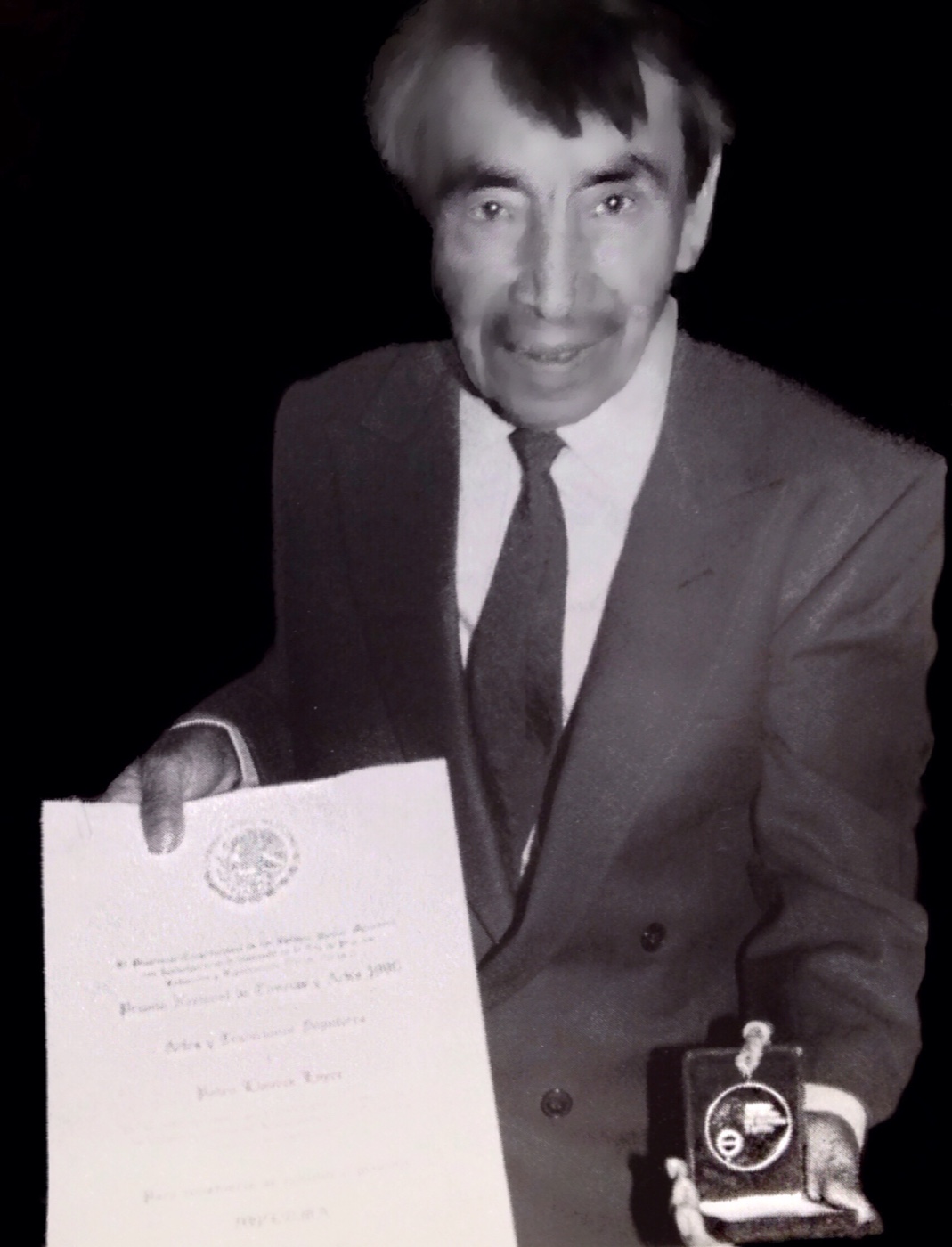
Pedro Linares López in Mexico City, showing his 1990 National Prize for Sciences and Arts. The source dates the photograph to 4 January 1991. Gallina x · CC BY-SA 4.0
Art & literatureMuseum cultural-history documentation · 9 October 2020
The creatures an artisan described meeting in a dream
Pedro Linares’s alebrijes joined vividly painted animal parts in an influential Mexican folk-art form.
Horns, wings, fins and unfamiliar combinations of animal bodies recur in alebrijes. The Lam Museum of Anthropology’s educational account shows pieces from its own collection and describes their bright colours, painted patterns and exaggerated forms.
The museum attributes the beginnings of these creatures to the Mexico City cartonero Pedro Linares. It recounts the story he told about becoming ill and dreaming of strange animals calling out the word alebrije. This is an attributed origin story, not independent verification of the dream or a claim that the creatures exist outside an artwork.
Paper-and-cardboard construction and later wooden versions belong to the account’s history of the form. The tradition continued through makers and families who developed their own creatures. The museum also cautions against an easy association: alebrijes may appear in Day of the Dead decoration, but they are not specifically tied to that festival. Its illustrated history is freely readable; the linked videos have not been reviewed here.
Origin story stays attributed; conflicting precise origin-years and the source’s Oaxaca biography are not repeated.
Timothy S. Y. Lam Museum of Anthropology, Wake Forest University · 9 October 2020 Entire main article, collection captions and paper activity read. Linares’s dream remains attributed. Contradictory exact origin-years and the problematic Oaxaca biography are omitted; no linked YouTube content certified. Writer read meaningful exact source text. Desktop and phone browser QA is pending; no audio, video or physical visit is implied. Mexico: Create a Colorful Alebrije ↗ (external source, opens a new tab) · In the source library
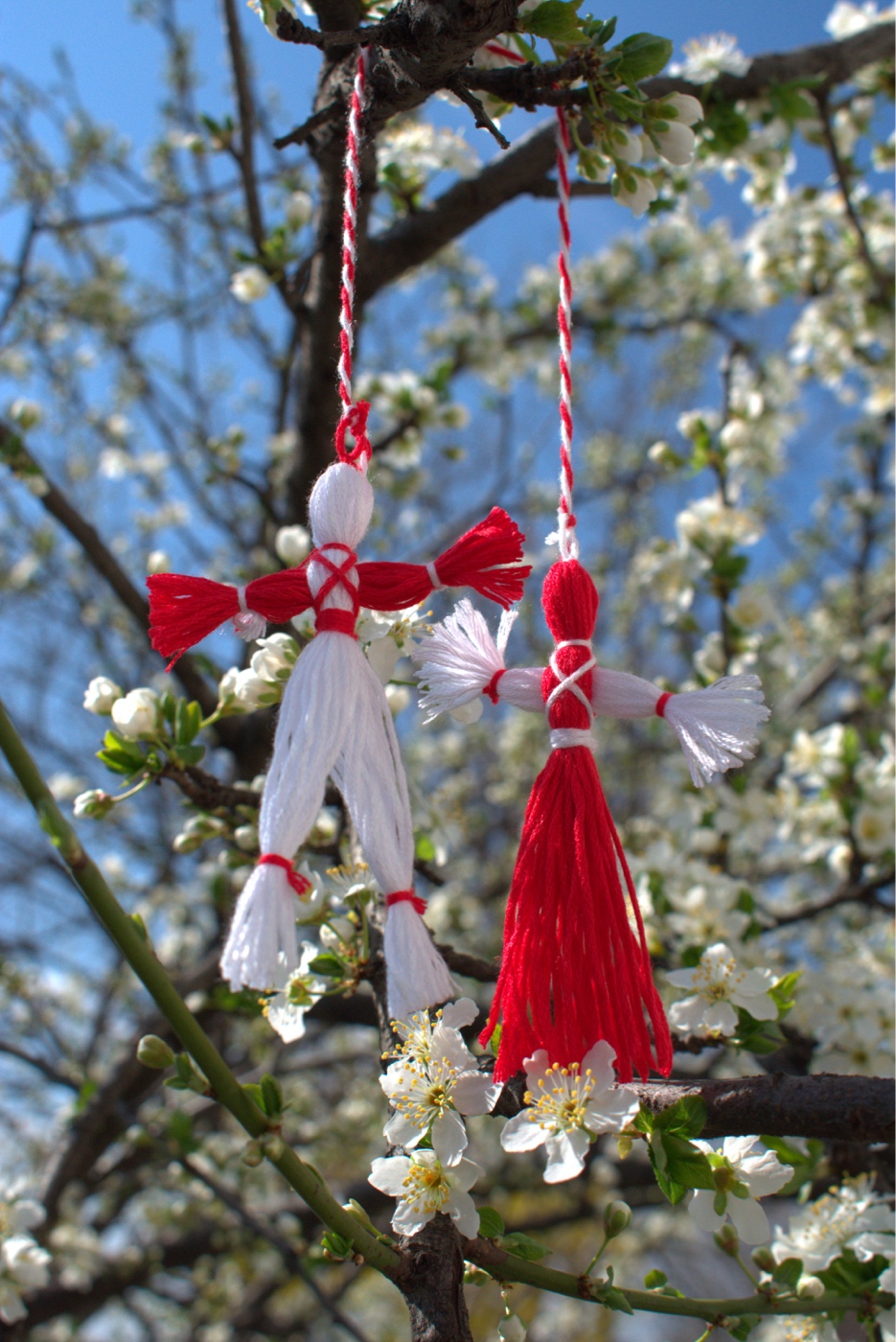
A handmade Romanian mărțișor tied to a flowering cherry-plum branch, photographed on 26 March 2026. Red-and-white thread joins two small wool figures. W. Diamond / Endangered Snowdrop · CC BY-SA 4.0
History & recordFirst-party institutional account · 1 March 2025
The red-and-white threads exchanged for spring
Mărțișor links the first of March with a shared seasonal practice in several countries.
A small object made from red and white thread can mark the arrival of spring. Romania’s National Institute of Heritage describes a braided cord of wool, cotton or silk, traditionally given to members of the community and worn from 1 March. Its account records several wearing positions and a duration that varies by region.
The Romanian National Commission for UNESCO’s 2025 article places the practice in an agrarian setting: the return of vegetation and the beginning of a new agricultural cycle. It records the 2017 joint inscription with Bulgaria, Macedonia and the Republic of Moldova.
These accounts also leave room for change. The heritage institute describes urban versions with decorative pendants and industrially made silk cords. A seasonal practice can retain its recognisable thread while its materials and forms of giving develop. The pages document a custom; the linked recordings, brochures and wider galleries are separate routes that have not been reviewed here.
Romanian institutional cultural-history accounts; linked recordings, broader gallery and brochures not certified.
Romanian National Commission for UNESCO · 1 March 2025 Full Romanian main text read:1March 2025date, 2017joint nomination and agrarian/spring meanings. Linked audio, microdocumentary and brochures not inspected. Writer read meaningful exact source text. Desktop and phone browser QA is pending; no audio, video or physical visit is implied. Mărțișorul, element de patrimoniu UNESCO ↗ (external source, opens a new tab) · In the source library
Institutul Național al Patrimoniului, Romania · Undated cultural-heritage account Read complete exact Romanian main text, from local/regional names through urban transformations: braided red/white wool/cotton/silk threads, giving, wearing positions and regional duration, later decorative pendants. Opening ancient-continuity claim omitted; protective efficacy remains attributed belief and is not asserted. Linked details and gallery not certified. Responsive browser QA pending. Mărțișorul — Practici tradiționale asociate zilei de1Martie ↗ (external source, opens a new tab) · In the source library
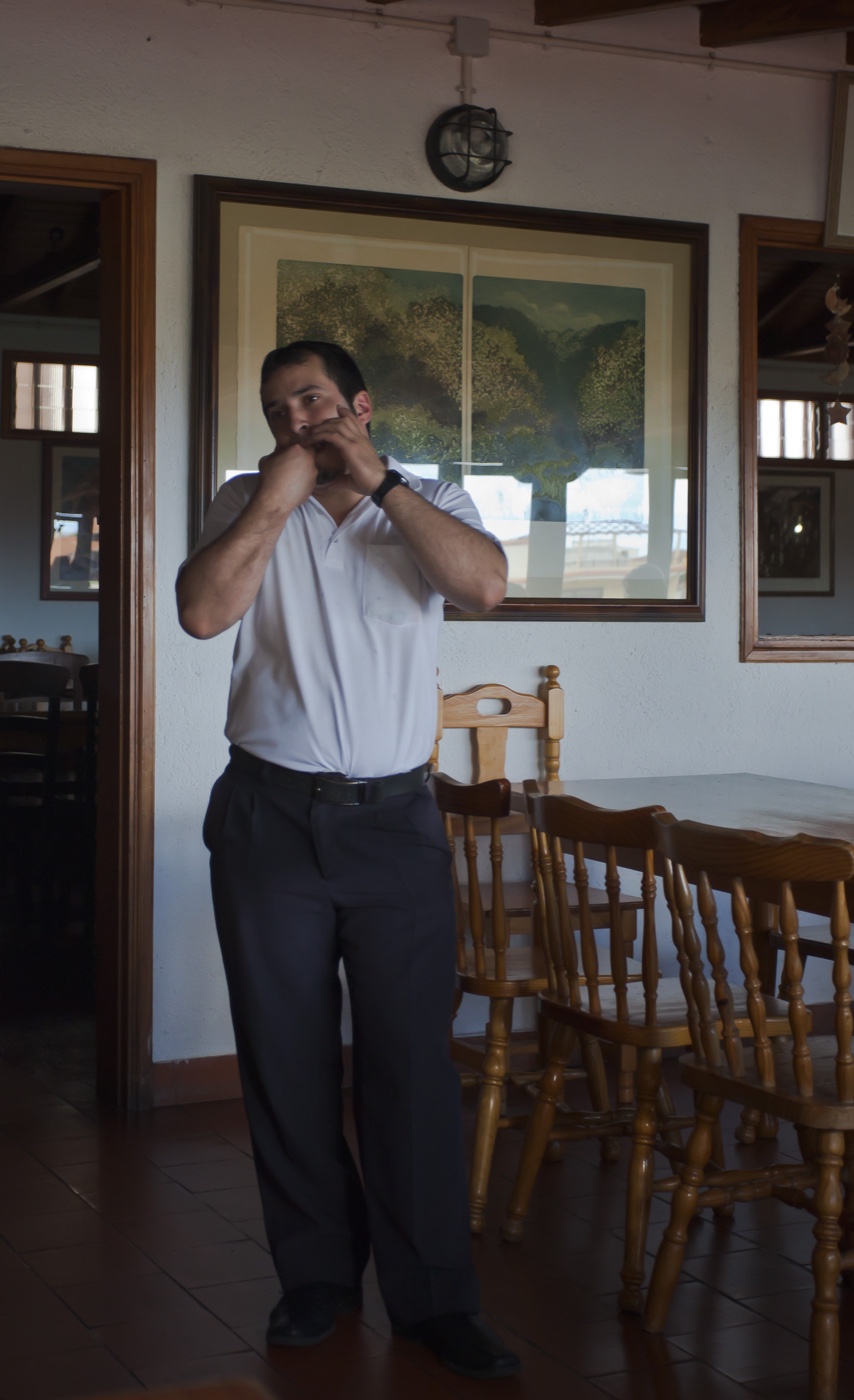
A demonstration of Silbo Gomero on La Gomera, Spain, photographed on 14 December 2012. Photograph: Diego Delso, delso.photo, CC BY-SA 3.0. Diego Delso, delso.photo · CC BY-SA 3.0
History & recordFirst-party institutional account · 19 February 2024
The island tradition that carries speech across ravines
A Canary Islands government account describes Silbo Gomero as communication and a taught cultural practice.
The steep terrain of La Gomera helped give whistled communication a practical purpose. A 2024 Canary Islands government account describes Silbo Gomero as a way for people separated by long distances, particularly ravines, to exchange messages.
The same account places it in agricultural, pastoral and festive settings. It is a community practice transmitted between people, rather than a claim that any whistle has a universal meaning. The report’s occasion was its declaration as a Bien de Interés Cultural in the category of oral tradition and expression.
The education history is especially concrete. Silbo appeared as an extracurricular school activity in the 1980s and entered relevant public-school curricula in 1999. The article also records a teaching network created in 2015. These details document preservation through organised learning. The government’s estimates of numbers of practitioners belong to that 2024 report and are not presented here as a fresh count.
Dated government account read; no live conversation, recording or personal fluency claimed.
Government of the Canary Islands · 19 February 2024 Entire main 2024government article read: ravine communication, 1999curriculum, 2009UNESCOrecognition and 2015teaching network. Minister’s 2024speaker estimate is not treated as a current census. Press login is not required for the article. Writer read meaningful exact source text. Desktop and phone browser QA is pending; no audio, video or physical visit is implied. El Silbo Gomero, declarado Bien de Interés Cultural de Canarias ↗ (external source, opens a new tab) · In the source library
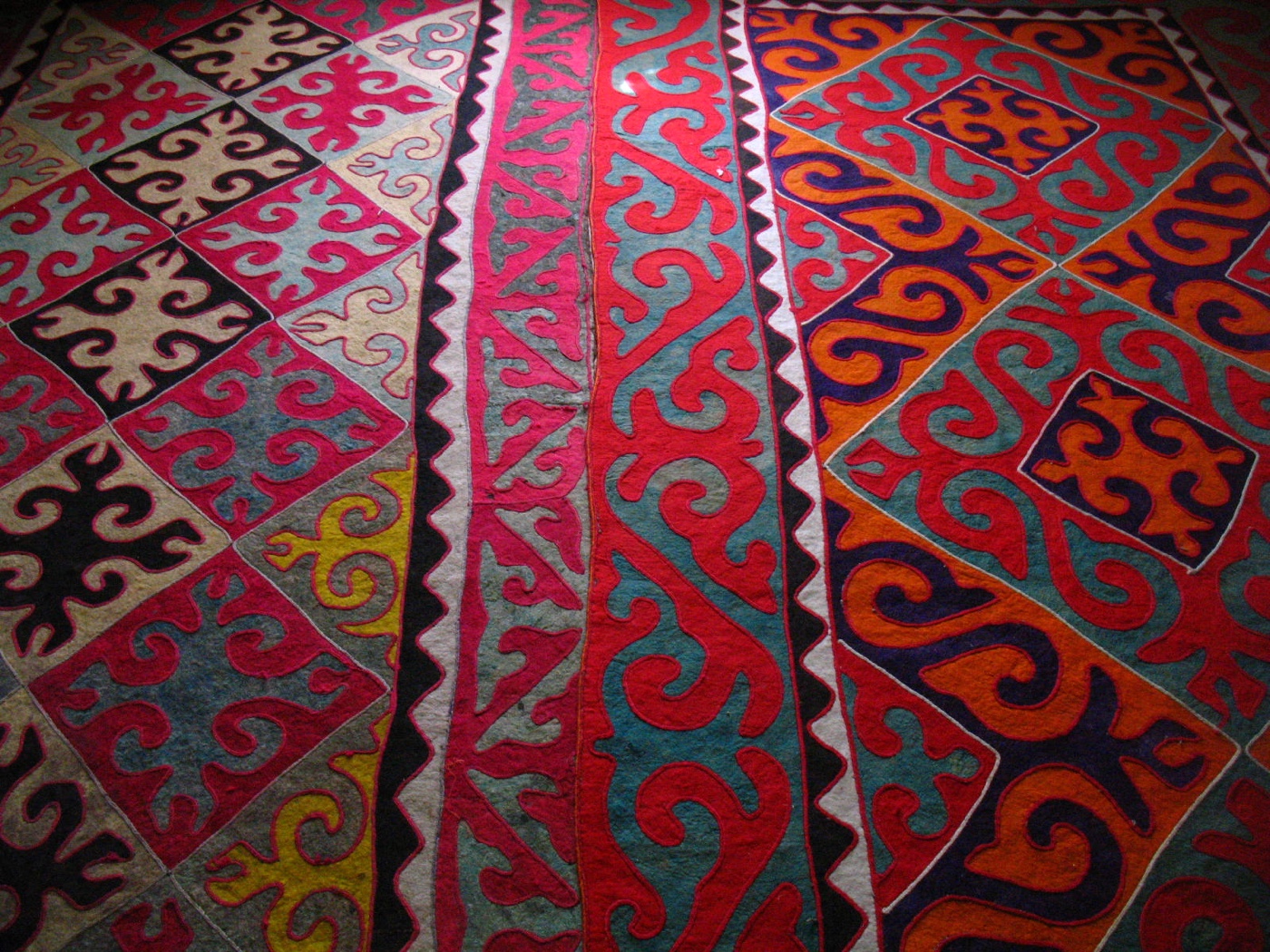
A shyrdak on the floor of a Kyrgyz home in Kyzyl-Jar, Aqsy, Jalalabat, photographed in 2008. This domestic example is separate from the Budapest museum textile discussed. Firespeaker · CC BY-SA 3.0
Art & literatureMuseum cultural-history documentation · October 2024 object-of-the-month page
The felt mosaic made for a yurt interior
A Budapest museum account describes a Kyrgyz shyrdak through its construction, motifs and domestic setting.
Felt can provide both insulation and a surface for a highly individual pattern. Budapest’s Museum of Ethnography describes a Kyrgyz shyrdak as a thick decorated hanging associated with the interior of a yurt. Its account connects the textile with warmth, domestic life and the placement of honoured guests.
The construction described is a mosaic. A darker felt base supports shaped pieces of finer, coloured material, which are sewn to the backing and to one another. Further stitching emphasises elements of the design. The museum identifies environmental references such as water, mountains and ram’s horns among the motifs.
The particular object discussed entered the museum as a 2023 gift. That provenance is separate from the wider history of the craft. The page also describes the role of women’s labour and the textile in a trousseau. It offers a documented example and a museum interpretation, without requiring every modern shyrdak to have exactly the same use or meaning.
Modern gift provenance and museum cultural interpretation; conflicting UNESCO year omitted.
Gábor Wilhelm / Museum of Ethnography, Budapest · October 2024 object-of-the-month page Complete main object account read: insulation, mosaic felt construction, motifs, trousseau and 2023gift. Its 2013UNESCOdate conflicts with the 2012UNESCOrecord; disputed year and sweeping ancient-continuity claims omitted. Writer read meaningful exact source text. Desktop and phone browser QA is pending; no audio, video or physical visit is implied. Kyrgyz Shyrdak ↗ (external source, opens a new tab) · In the source library
Art & literatureMuseum cultural-history documentation · Undated digital-collection essay
The paired paper guardians placed at a doorway
Columbia’s Chinese Paper Gods collection explains why printed figures could face one another across an entrance.
A pair of printed figures can belong to the architecture of a home as well as its decoration. Columbia University Libraries’ Chinese Paper Gods essay describes door gods displayed on or around entrances during the New Year festival. The paired figures usually face each other.
The collection distinguishes their sustained place in the home from cheaper prints intended for a ceremony and then burned. Different formats had different roles. The belief that a figure guarded a household belongs to the practices being documented, rather than to a protective result established by the catalogue.
Colour and meaning could also be built through separate processes. Multiple woodblocks supplied successive colours, and some prints received additional painting. The essay explains visual wordplay as well: a depicted fish could stand for a similar-sounding wish for surplus. Such readings rely on language and a documented context; an image’s symbolism should not be guessed from appearance alone.
Collection essay read; individual print catalogue and offsite branches not comprehensively inspected.
Columbia University Libraries · Undated digital-collection essay Entire essay and notes read: printing, temporary paper gods, paired door figures and visual rebuses. Individual catalogue records and linked branches not comprehensively checked. Writer read meaningful exact source text. Desktop and phone browser QA is pending; no audio, video or physical visit is implied. Reading the Images — Chinese Paper Gods ↗ (external source, opens a new tab) · In the source library
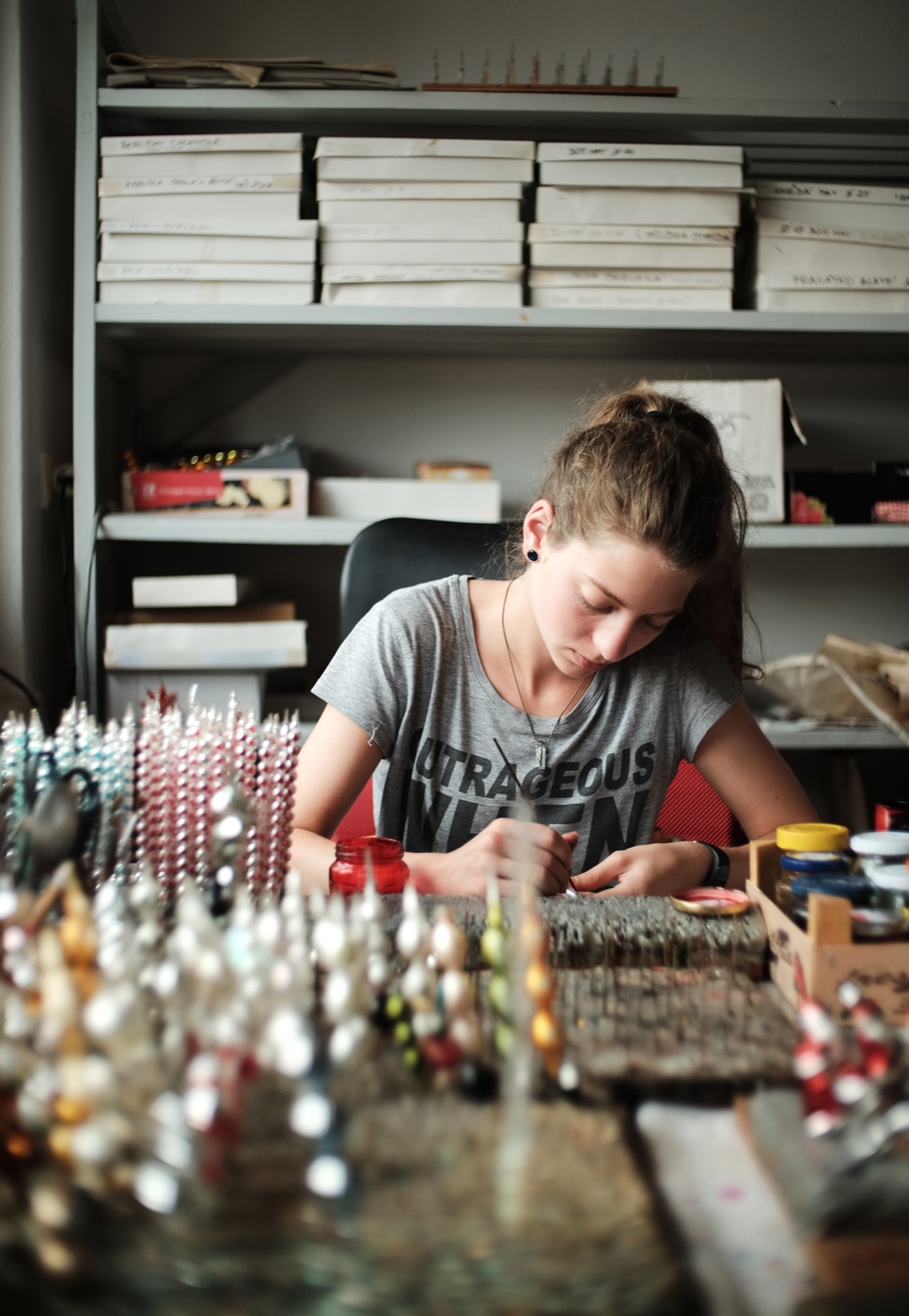
Painting hollow glass beads at Rautis, photographed on 10 August 2020. This records one production stage behind the bead ornaments discussed in the article. Kardoslavik · CC BY-SA 4.0
The Christmas stars assembled from tiny glass beads
A Czech craft-history account follows glass beads from clothing ornament to seasonal decoration.
A small Christmas star can consist of many separate pieces of glass. VisitCzechia’s craft-history account describes the tradition centred on Poniklá in northern Bohemia, where beads were shaped, coloured, silvered and assembled into ornaments.
The article traces a change in use. Beads previously served jewellery and decorated clothing and costumes; festive ornaments became a major purpose in the first half of the twentieth century. Stars, snowflakes and animals grew from combinations of comparatively simple parts.
Its account of the work is distributed rather than purely factory-based. Glass makers, cutters and threaders performed different stages, with materials passing between home workers and a coordinating company. The page also records the 2020 heritage inscription. Its attention to successive makers gives the finished star a history beyond the moment it is hung on a tree.
Undated institutional tourism history; no factory visit, current-output verification or paid experience recommended.
CzechTourism / VisitCzechia · Undated craft-history article; 2020 inscription mentioned Complete craft-history article read, including home workers and coordinating company. Promised content is the freely readable article; shop, paid visits/workshops and kits not recommended. Undated output/exclusivity claims omitted. Writer read meaningful exact source text. Desktop and phone browser QA is pending; no audio, video or physical visit is implied. Rautis — Czech glass bead ornaments ↗ (external source, opens a new tab) · In the source library
A collected Welsh winter song preserves a contest of verses at the threshold.
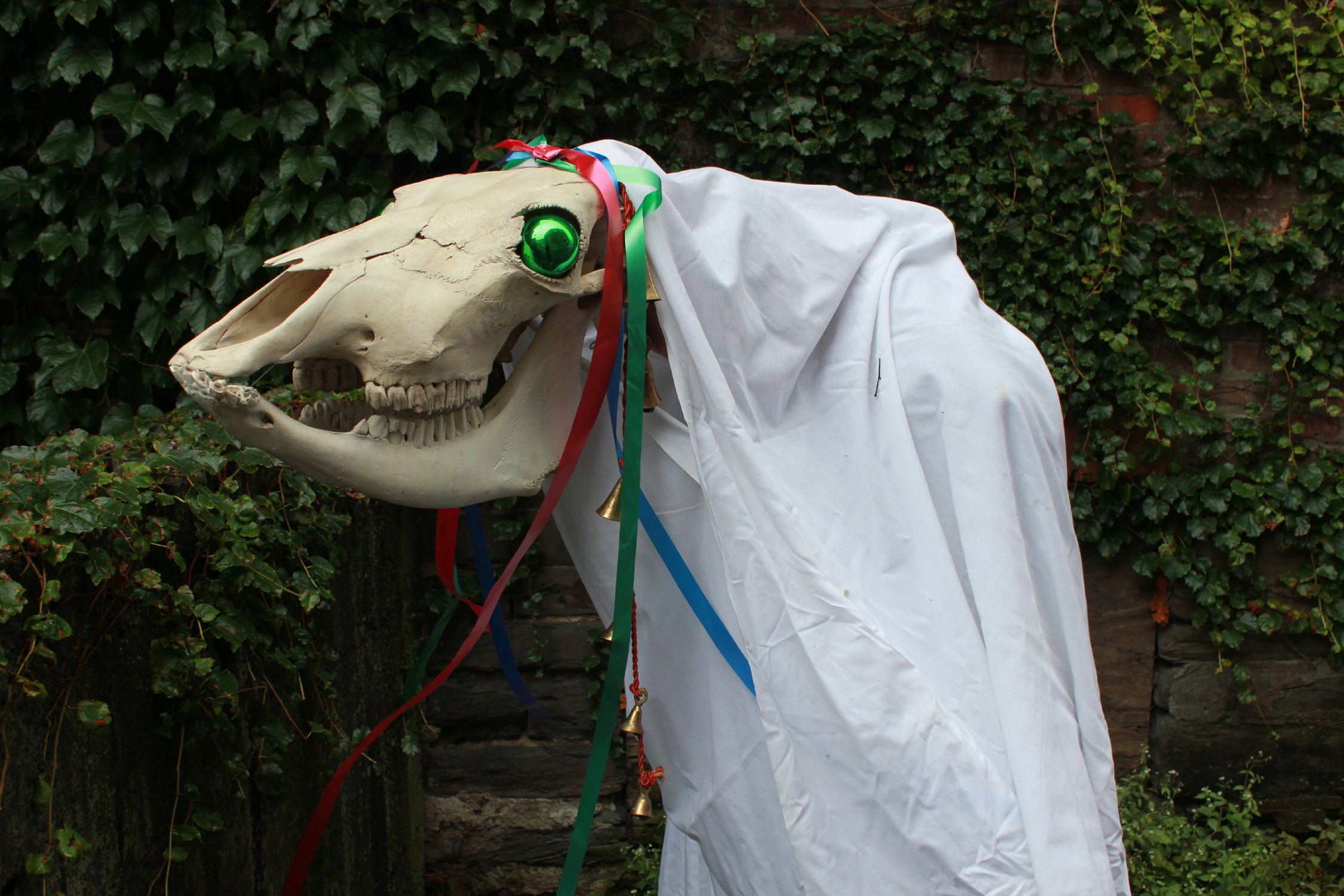
A Mari Lwyd photographed by R. fiend on 2 October 2011: a decorated horse-skull figure under a white cloth. The Commons record does not identify a performance location. R. fiend, via Wikimedia Commons · CC BY-SA 3.0
Art & literatureMuseum interpretation · Collected October 1953; webpage undated
The winter horse that asks to enter in verse
The Welsh Mari Lwyd brings a decorated horse-figure and a contest of improvised verses to the doorstep.
A visitor arrives at the door with a horse’s head, ribbons and a long white covering. The household does not simply invite it in: singers outside and people inside can answer one another in improvised verse. This is the Mari Lwyd, a Welsh winter custom whose performance includes a contest at the threshold.
Amgueddfa Cymru describes the figure as a decorated horse’s skull carried on a pole, with the person underneath concealed by cloth. Its account also records versions made with wood, paper and even a pillow. The character travels with a singing party; local companions can include a leader, a Merryman and Punch and Judy. The figure’s appearance is only part of the event.
The verbal exchange is called pwnco. In the museum’s description, it takes place through a closed door and can continue until one side gives way. Once the party is admitted, music, playful disruption and refreshments follow. The belief that the visit brought good luck belongs to the tradition being recorded, rather than to a result the museum or this article verifies.
A second museum page preserves a particularly useful piece of evidence: the opening song collected in October 1953 from William Morgan Rees, a railway worker born in 1883, at Brynmenyn near Bridgend. Rees recalled visits in the surrounding area up to about 1933. The displayed English text asks permission to sing, challenges the household’s verse-makers and requests seasonal refreshments. The museum states that these seven stanzas represent the opening phase, not the entire improvised encounter.
The Horniman Museum’s account, written by Sian Brett in 2022, stresses that the custom’s beginnings and the interpretation of its name remain uncertain. Start with the collected song and its precise provenance, then the broader descriptions. They preserve both the strange visitor and the words that made it welcome.
The song recommendation is its displayed English text and collection notes; no recording playback or score-PDF inspection is claimed. The custom’s origins and the interpretation of its name remain uncertain.
Amgueddfa Cymru – Museum Wales; song collected from William Morgan Rees · Collected October 1953; webpage undated Read all displayed English song text, Notes, collection date/place, informant and tape identifier SFNHM Tape 7. Did not listen to recording or inspect linked score PDF. Recommended route is the free displayed text and provenance. The Mari Lwyd Song ↗ (external source, opens a new tab) · In the source library
Amgueddfa Cymru – Museum Wales; individual author not stated · (displayed publish date; page includes later-looking exhibition promotion) Read all main custom-description text and displayed publish date. Omitted animal-skull preservation details, practical preparation and current event promotion from draft; embedded video and external Wikipedia branches unreviewed. Winter Folklore and Tradition: The Mari Lwyd ↗ (external source, opens a new tab) · In the source library
Sian Brett, Horniman Museum and Gardens · Read meaningful main article including ritual, name/origin uncertainty and credited Mari photograph. No offsite branches reviewed. Museum Welsh blog dates earliest account 1798 whereas this page says first recorded mention 1800; no harmonised earliest date asserted in draft. The mystery of Mari Lwyd ↗ (external source, opens a new tab) · In the source library
A page from Moberly and Jourdain’s 1911 book records their disagreement about a woman near the Petit Trianon.
Added · Daily discovery
In Charlotte Anne Moberly’s recollection, the garden near Versailles became strangely flat. Trees looked like woven scenery. The air seemed motionless. She and Eleanor Jourdain were trying to find the Petit Trianon during an August 1901 excursion. They later described unfamiliar figures, unusual clothing and an oppressive change in the afternoon’s atmosphere.
Their account appeared in An Adventure, published by Macmillan in 1911 under the names Elizabeth Morison and Frances Lamont. Its opening chapter gives each woman a separate narrative. Both recalled men directing them through the grounds, but the two versions do not describe an identical experience.
Moberly remembered a woman seated near the terrace, holding a sheet of paper as though sketching. She initially took her for a tourist in unusual dress. Jourdain, according to their later conversation, had seen no woman there at all. The disagreement occupies a particularly revealing page: Moberly insists they had walked beside one another, close to the supposed sketcher.
The timing matters. On that same page, Moberly places their discussion on 10 November 1901, three months after the walk. She says it prompted their decision to write separate accounts and investigate the place. Jourdain’s narrative also dates her preparation to November. These are retrospective recollections published a decade later. Both women wrote after they had discussed the walk.
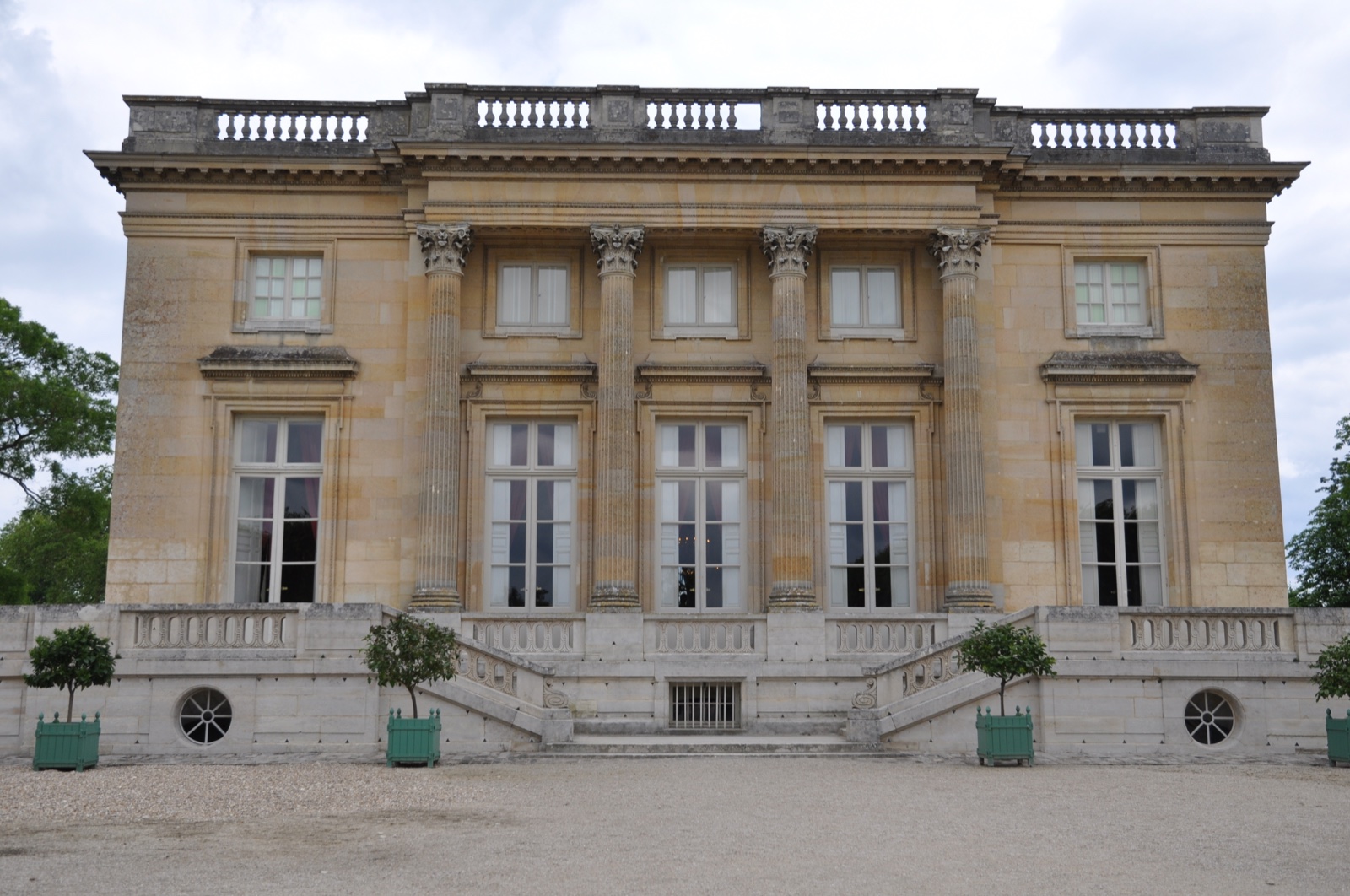
The setting has its own documented history. The Château de Versailles dates Ange-Jacques Gabriel’s completion of the Petit Trianon to 1768 and records Louis XVI giving it to Marie-Antoinette, who redesigned its surroundings. Those are historical claims about the building. They do not establish the women’s later interpretation of their walk as a haunting.
Start with two short excerpts: the page recording their November disagreement, then Moberly’s description of the strangely still garden. Each is one page of the original book. They preserve an uncanny afternoon and a conspicuous difference between what the two women said they saw.
The linked Wikisource pages are individual excerpts from the 1911 edition. The two recollections were written after the walk and discussed before publication.
Charlotte Anne Elizabeth Moberly and Eleanor Frances Jourdain, writing as Elizabeth Morison and Frances Lamont; this page is in Morison/Moberly’s account · 1911 Macmillan edition; passage describes 10 November 1901 Read the 1911 title, preface/pseudonyms/publishers’ note and meaningful opening first-visit accounts, printed pp. 1–25, from web-extracted text and locally retained original PDF. Printed p. 13 rendered and visually read; it records the sketcher disagreement and Nov 10 decision to write separate accounts. Also read Jourdain’s corresponding pp. 20–22; these are not contemporaneous independently logged observations. Later-book research/reverie was sampled only to identify scope risks, not comprehensively screened. An Adventure (1911), Chapter I, printed page 13: the November disagreement ↗ (external source, opens a new tab) · In the source library
Charlotte Anne Elizabeth Moberly, as Elizabeth Morison; book coauthored with Eleanor Frances Jourdain · 1911 Macmillan edition; recollection of August 1901 Read the complete displayed page, including flat/lifeless tree description, motionless atmosphere, seated cloaked man and sudden approach of another man. Wikisource marks it proofread but awaiting validation. Compared with downloaded PDF printed p. 5. An Adventure (1911), Chapter I, printed page 5: the still garden ↗ (external source, opens a new tab) · In the source library
Château de Versailles, public museum/estate; no individual page author stated · Undated institutional page; historical completion date 1768 Read main introductory and History of the Site text plus façade descriptions; selectively read room descriptions. The institution dates Gabriel’s completion to 1768, records Louis XVI’s gift to Marie-Antoinette and her redesign of the grounds, and identifies the west side facing the French Gardens. No ticket, tour, shop or app experience is recommended. Embedded videos not played. The Petit Trianon ↗ (external source, opens a new tab) · In the source library
Research & assessmentOriginal paper · 26 November 2022. Science Museum Group Journal, issue 17 (Spring 2022). DOI 10.15180/221707.
The ghost photograph and the missing lion
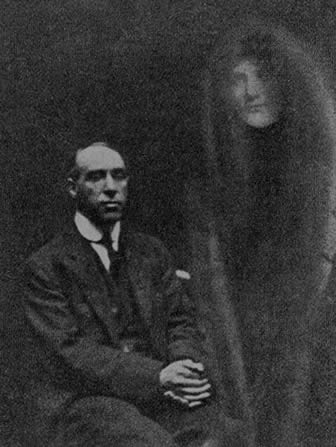
Harry Price brought secretly marked glass plates to a 1922 sitting with the spirit photographer William Hope. He reported that both prints lacked the mark.
Added · Daily discovery
In a photograph from 1922, Harry Price sits with his hands clasped. A pale face hangs above his shoulder. William Hope’s Crewe Circle made portraits in which such figures appeared alongside the sitter. They called the figures spirit extras. Price wanted to know whether Hope would use the plates he supplied.
Price had asked the Imperial Dry Plate Company to mark six glass plates with its lion trademark. The makers used X-rays so the mark would be invisible until the plate was developed. If a picture came out without the lion, Price would have reason to suspect that another plate had been used.
At the London sitting on 24 February, Price later said, he saw Hope make a movement in the darkroom that could have switched the holder for the two plates. His fellow investigator James Seymour was outside the room at that point. One resulting picture was an ordinary portrait. The other had the pale face. Price reported finding no lion on either print and concluded that Hope had deliberately substituted plates.
In November, James Hewat McKenzie, who ran the college that hosted the sitting, challenged Price in the spiritualist weekly Light. He said the wax seals were broken when he inspected the wrappings, and the manufacturer’s label looked as though it had been lifted. The historian Efram Sera-Shriar notes that months had passed and there was no impartial observer to settle when the packaging had been disturbed. The second face is still visible today. The prints alone cannot tell us when any exchange of plates took place.
Efram Sera-Shriar · 26 November 2022. Science Museum Group Journal, issue 17 (Spring 2022). DOI 10.15180/221707. Read the introduction and both numbered sections, including plate preparation, sitting and darkroom, the photographic outputs, McKenzie’s chronology and inspection of the wrapping, and the conclusion. Inspected Figures 4, 6, 7 and 9 descriptions and viewed the exact full Figure 6 image. Price’s and McKenzie’s historical claims come from interested parties. Seymour did not see Price’s claimed opportunity for a swap in the darkroom. No impartial witness can settle the later evidence about the wrappers. The case does not establish a paranormal explanation or how every Hope photograph was made. Photographic plates and spirit fakes: remembering Harry Price’s investigation of William Hope’s spirit photography at its centenary ↗ (external source, opens a new tab) · In the source library
Iva Dobreva, National Science and Media Museum · 30 June 2021 Read the historical account of Hope and the Crewe Circle, their album images and the discussion of contemporary sittings. Checked the visible discussion area. Used the post for context and the archive portraits alone. This contextual post is more decisive about how Hope made his work than the journal reconstruction of the 1922 sitting. The draft names the journal and contemporary accounts as the basis for the disputed session. The introductory crystal and wellness examples are not endorsed. The significance of spiritualism in the work of William Hope ↗ (external source, opens a new tab) · In the source library
On Hirta, turf-roofed stone stores held food and fuel. Old photographs reveal how the buildings changed over time.
Added · Daily discovery
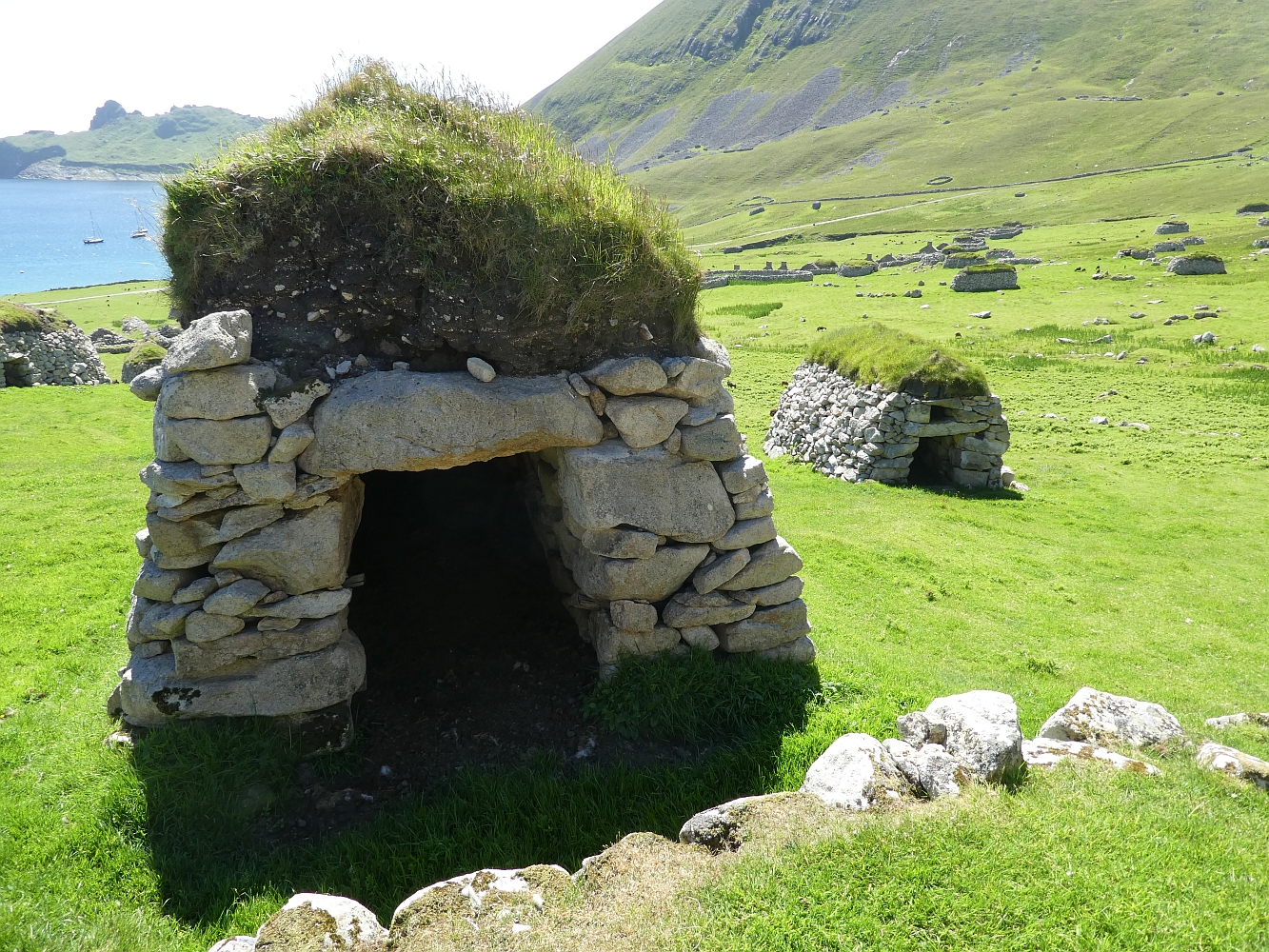
In Rob Farrow’s photograph of Hirta, a thick cap of grass sits above a low stone doorway. A second doorway opens a little farther down the slope, under a cap of its own. These are cleitean, the small dry-stone stores that dot the largest island in Scotland’s St Kilda archipelago.
A single store is called a cleit. Island residents used them to keep fuel, nets and eggs, and to dry seabirds, an important part of their diet. In Nick Aitken’s architectural account, one unusually long cleit held timber washed ashore. Some roofs used large slabs spanning the walls. Others were corbelled, with successive courses of stone projecting inward to close the gap.
The Royal Commission’s 1998 survey puts the archipelago’s total at roughly 1,430. On the sheet marked “The Village”, compare the two views from the east, taken in 1886 and 1986. The survey points to cleitean that appeared in the lower meadows after the earlier photograph. It records one demolished below the Factor’s House and another built farther down the slope.
The turf still takes tending. In 2011, National Trust for Scotland archaeologists Ian McHardy and Carol Knott surveyed 72 Village Bay roofs known to have been repaired since 1996. They found the repairs generally held up better where sheep had stayed off the roofs. The photographs of Cleit 30 show its turf before and after repair.
Royal Commission on the Ancient and Historical Monuments of Scotland · 1998. RCAHMS Broadsheet 4. ISSN 1358-3441. Read the publication credit and Building-types and The later photographic evidence. Viewed the rendered second PDF sheet, “The Village”, including the central plan, measured drawings and the matched 1886 and 1986 views. St Kilda — Settlement and Structures on Hirta ↗ (external source, opens a new tab) · In the source library
Nick Aitken. The Stone Trust republication posted by Pamela Hanna. · Autumn 2010 in Stonechat issue 22. Republished 25 April 2022. Read the full article body, including timber, eggs, nets, roofing variation and dry interiors. Viewed four embedded photographs showing exteriors, stonework and the inside of a roof. Master Class: The Cleits of St. Kilda ↗ (external source, opens a new tab) · In the source library

 Odd Almanac