No saved articles yet. Use “Save article” beside anything that catches your eye.
 Library of BabelA mathematical and literary web experiment where an invented phrase can be found among pages that mostly look like nonsense.
 Big Long NowRafaël Rozendaal’s 2006 artwork of repeated doors in white space: an unresolved little ritual that asks for lingering, not solving.
 Orb.FarmMax Bittker’s editable pixel aquarium: tend a circular world of water, plants and small organisms. Artwork and toy, not a scientific model.
 SandspielA browser simulation by Max Bittker where painting with sand, water and plants becomes absorbing; a close companion to Orb.Farm.
 SilkYuri Vishnevsky’s drawing space where gestures become flowing, symmetrical strands, with colour and symmetry to play with, plus optional sound.
 PatatapJono Brandel and Lullatone’s visual music: a reference for how little explanation an interactive artwork can need. Flashing imagery and sound.
 TypatoneA writing tool by Jono Brandel and Lullatone that maps letters to musical notes, so a sentence becomes message and score.
 Koalas to the MaxVadim Ogievetsky’s interactive artwork: moving across circles subdivides them until a recognisable image emerges from a minimal field of dots.
 ArkadiaA 2015 web artwork by Sophia Schomberg and Nikolaus Baumgarten: a continuously zooming painted garden whose strangeness is scale, not fright.
 Infinite FlowersNikolaus Baumgarten’s floral zoom painting: a continuous journey through vast plants and tiny details, with no destination to reach.
 Jelly CamA real Monterey Bay Aquarium camera showing jellyfish drifting with a quietly otherworldly rhythm; availability and live hours can change.
 earth — the moving atmosphereCameron Beccario’s animated wind data on a turnable globe: a scientific visualisation, not a webcam, made uncanny by an unfamiliar instrument.
 Rafaël Rozendaal’s internet worksRafaël Rozendaal’s own catalogue of hundreds of internet works, a source of leads into spare, ambiguous digital spaces; not all reviewed here.
 Find a phrase you just inventedA first visit: search for “a quiet room”, open an exact-match result and watch your phrase acquire a shelf and volume.
 Keep an address, not a trail of guessesSearch results give a hexagon, wall, shelf, volume and page, turning a peculiar string of characters into somewhere you can find again.
 An enormous alphabet spaceJonathan Basile’s account of how the library’s locations stay reproducible without storing every 3,200-character page separately.
 Why finding a sentence feels uncannyCurated interpretation: a found sentence feels like a message because readers bring expectations, yet the space also holds false statements and nonsense.
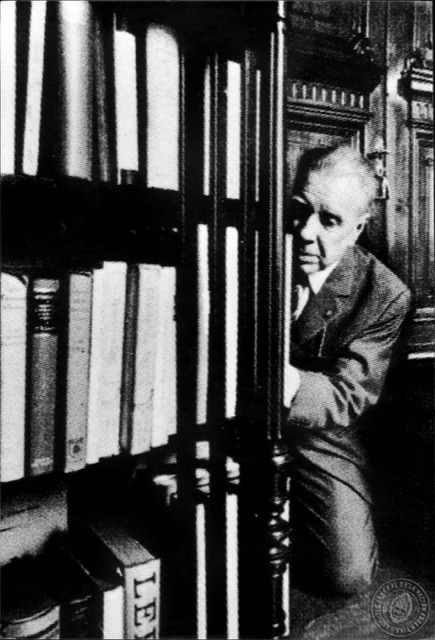 A story becomes somewhere to visitBorges’ 1941 story of hexagonal galleries and a limited alphabet, made navigable by Basile: imagining a library becomes using one.
 Where do the corridors go?Basile’s literary criticism on how Borges’ galleries could connect, and whether a place can feel endless when its joins are unclear.
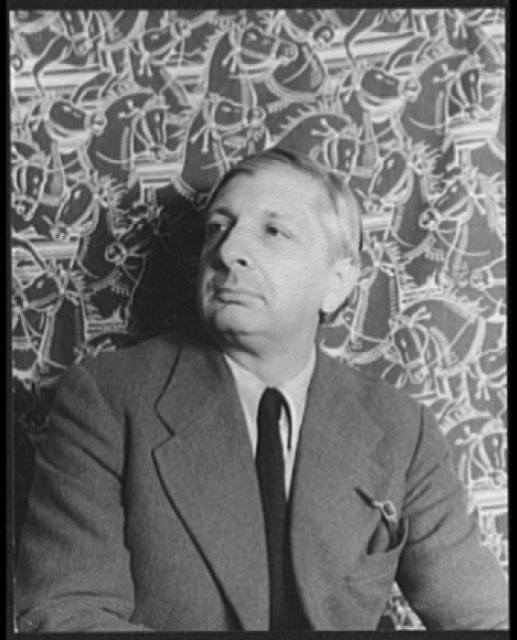 De Chirico · Ordinary objects, impossible companyA 1914 de Chirico painting that groups familiar objects without explanation: a curated parallel for dreamlike places that stay strange without threat.
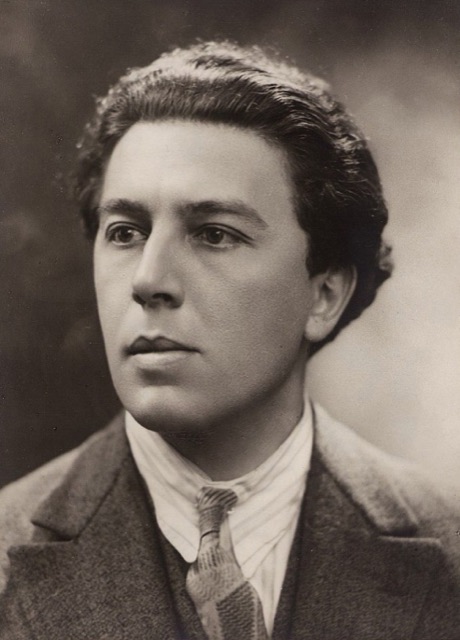 Dreams as a method of making artMoMA’s account of surrealists using dreams, free association and automatic drawing to loosen deliberate control: an art-historical route into dreamlike imagery.
 A threshold can be spatial or experientialA curatorial analogy linking empty corridors with Fremantle’s Buddhist account of bardo, while keeping teaching tradition and aesthetic experience distinct.
 The dérive · Following the pull of a placeDebord’s Situationist starting point: follow urban atmospheres and notice the attractions and barriers that ordinary maps leave out.
 Will Self · Walking against the usual routesAirport walks and long-distance wandering change the felt distance between places.
 John Rogers · Filming the overlooked cityRogers explains how a walk becomes a film, following London’s overlooked edges.
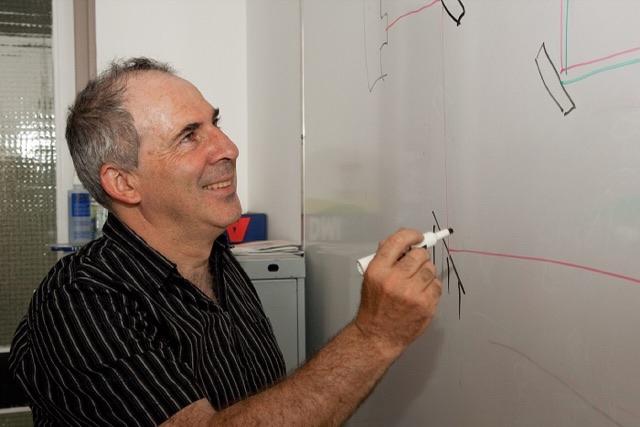
 Nick Papadimitriou · Deep topographyRepeated walks connect London’s fringes with weather, wildlife, memory and overlooked infrastructure.
 Iain Sinclair · Maps made from memoryWalking, photographs and literary memory reveal what official maps leave out.
 Begin with a named translationA named Penguin Classics translation with the Dalai Lama’s commentary: a traceable way into teachings on dying and daily life.
 Fremantle · Bardo in the middle of lifeFremantle’s Tricycle commentary applies bardo to life, dreams and meditation as well as dying: a Buddhist reading of transitions, not afterlife evidence.
 Everettian worlds · An interpretation of quantum theoryVaidman’s encyclopedia entry on many-worlds: a quantum state with no added collapse, and the separate problem of matching it to experience.
 Tegmark · Four different multiversesTegmark’s four-level classification of parallel universes, from distant regions to other mathematical structures: a way to ask which multiverse someone means.
 Where consciousness enters—and where it does notWhy quantum physics in the brain and multiple worlds are separate proposals: a route through Orch OR, decoherence objections and Atmanspacher’s overview.
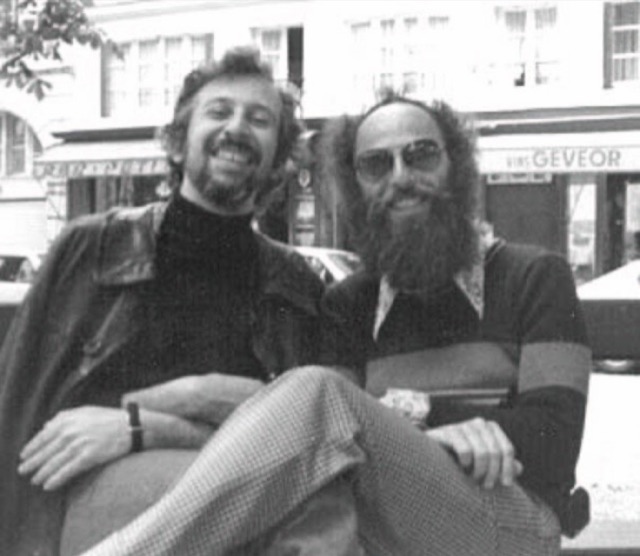 Sarfatti, SRI and the same small circleOne person across several conversations: Sarfatti says he worked informally with Puthoff and Targ, and describes UFOs as conscious AI.
 Von Neumann appears on two different family treesOne historical figure, two afterlives: Vinge’s 1993 essay quotes Ulam recalling von Neumann, who also appears here through self-reproducing automata.
 Lilly’s machine organism meets post-biological aliensA curated pairing: Lilly’s machine organism and Schneider’s post-biological civilisations both ask what happens when intelligence outgrows the organisms that made it.
 The strange persistence of symbolic communionA curated parallel: McKenna’s entities engaged in visible linguistic activity beside Anthropic’s records of model conversations drifting toward spiritual language and silence.
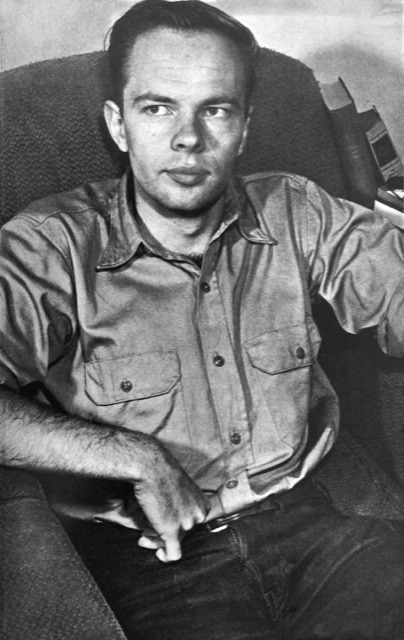 When information becomes more than a messageA reading pair: Dick’s living information and Wheeler’s physics hypothesis both make information more than description, with very different ambitions.
 AI could explain absence—or change who is presentAlternative hypotheses, not a combined finding: Garrett’s possible AI Great Filter versus Schneider’s possibly synthetic successors changing who the neighbours are.
 Received ideas, and the receiver’s own programmesA curated pairing on inventing versus receiving an idea: Pasulka’s accounts of ideas read as off-world downloads and Lilly’s metaprogramming.
 The room between, and the space between statesA curated parallel: the in-between atmosphere of liminal places beside Fremantle’s account of bardo as an interval in Tibetan Buddhism.
 A responsive object can feel like a partnerA curated parallel: two installations, Rokeby’s movement-to-sound system and Lozano-Hemmer’s voice-replaying microphones, that make a technical process feel like a partner.
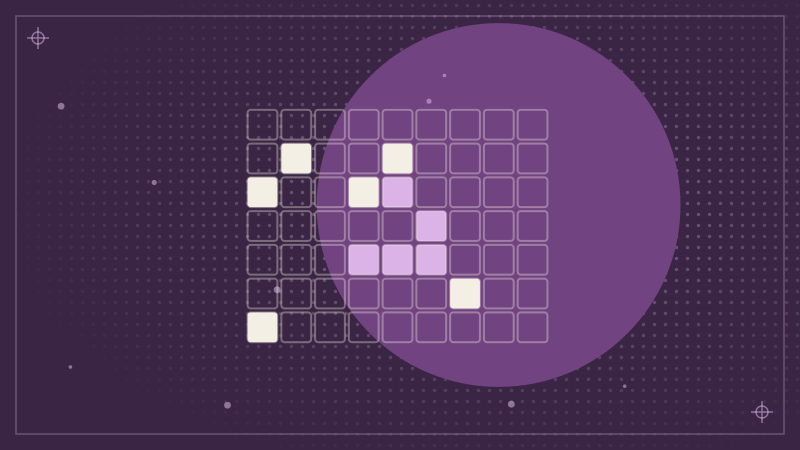 The rule changes what a mark can becomeA parallel, not an equivalence: the rule that turns Johnny’s marks into sound, beside explicit rules that change patterns in cellular automata.
 Beings we imagine, beings we reportAn editorial trail: Canales’s thought-experiment demons, Amaringo’s paintings and DMT reports each make an unfamiliar presence discussable, in different ways.
 What If AI Was Given to Us by Aliens?The question that started this collection: a 29-minute Jesse Michels Clips video, linking to the full Deep Prasad interview.
 The convergence conversationPrasad’s podcast conversation explicitly links AI, quantum computing and UFO disclosure; its description presents AI as a possible alien Trojan horse.
 Awakening as a change in consciousnessCampbell’s interview combines conscious AI, UFO disclosure and a collective turning point framed as cooperation versus control: a lead, not a forecast.
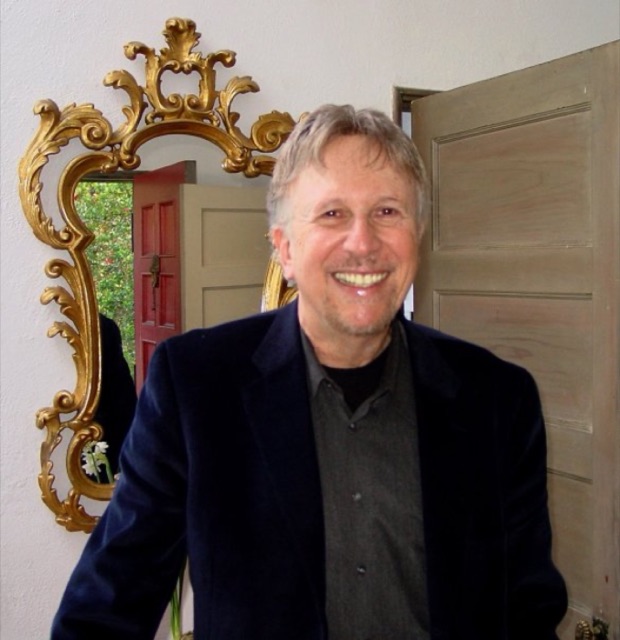 The spacecraft itself is the intelligenceSarfatti describes UFOs themselves as conscious AI made from metamaterials: a proponent’s statement, not a demonstrated mechanism.
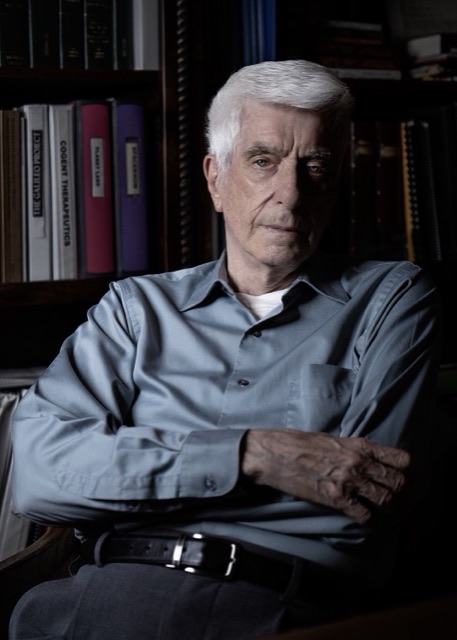 A life form emerging through technologyIn a 2006 interview Vallée raises the possibility that another life form is emerging through human activity: speculation, not a mechanism.
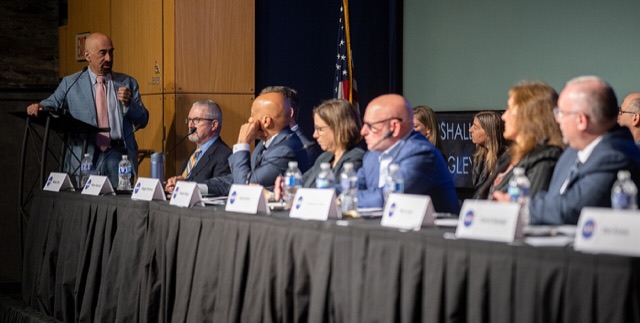 AI as an anomaly detectorNASA’s 2023 UAP report recommends AI for finding unusual events in data; spotting the unusual is not establishing its origin.
 AI reading quantum errorsA concrete AI–quantum link: a 2024 Nature study uses classical machine learning to decode quantum error-correction measurements, with no extraterrestrial angle.
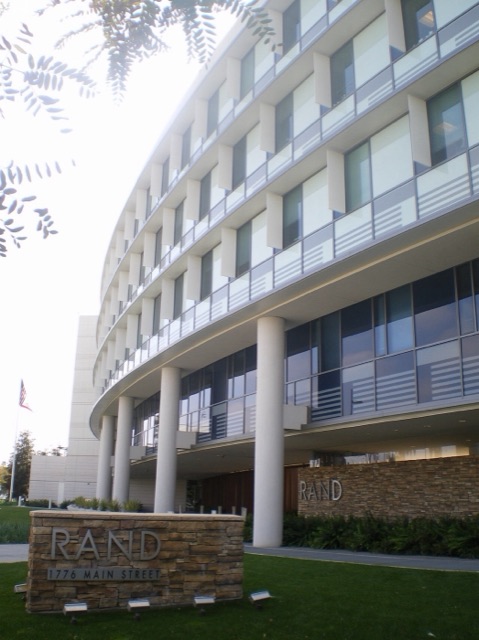 A correlation about sighting reportsRAND’s 2023 analysis of 101,151 public reports found its strongest consistent geographic association near military operations areas; it validates no individual sighting.
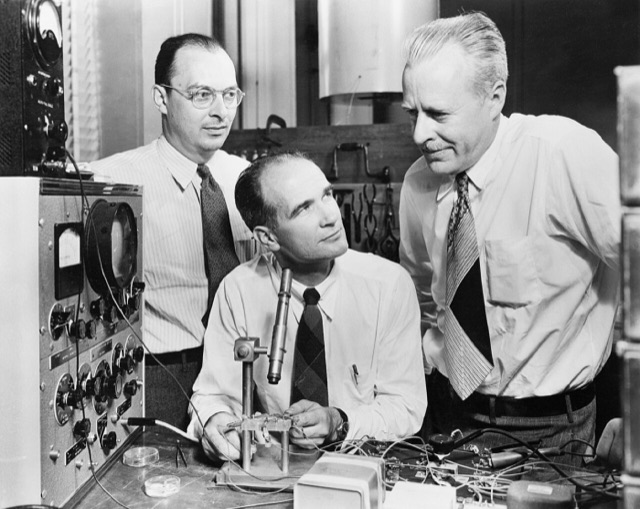 The transistor had a research historyA museum-documented timeline of the transistor’s path from a 1945 research group to a June 1948 announcement: a firm dated baseline.
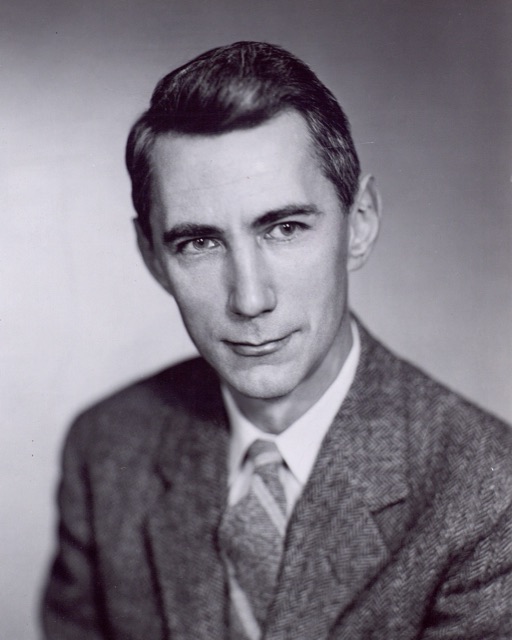 Information becomes an engineering subjectThe 1948 paper that gave engineers a mathematics of communication and noise: useful background for any story about signals and minds.
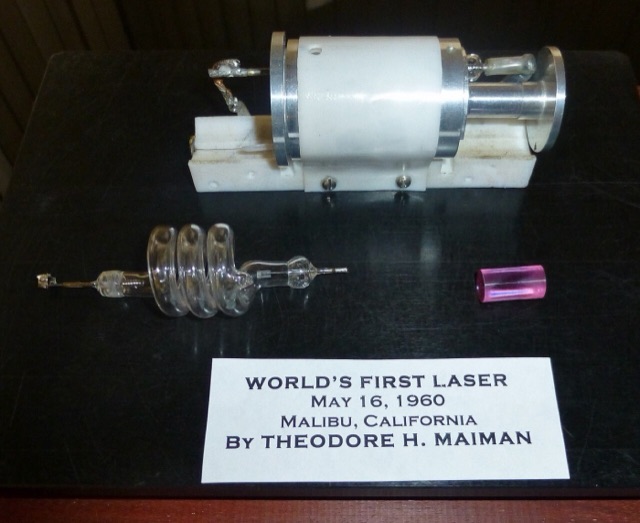 Lasers extend a longer sequenceA compact chronology from Einstein’s 1917 stimulated emission to Maiman’s 1960 laser, which was built elsewhere than Bell Labs.
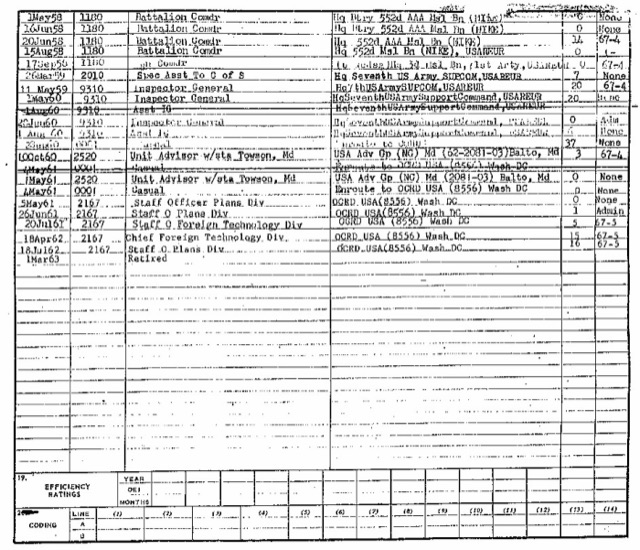 What Corso’s allegation actually contributesCorso and Birnes allege recovered artifacts advanced circuit chips and fibre optics: useful as the story’s source, not as a verified chain.
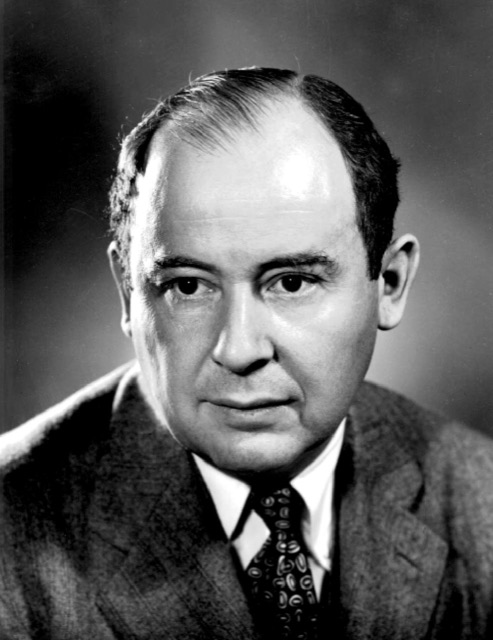 1945 · Stored instructionsVon Neumann’s EDVAC draft, dated 30 June 1945: stored-program computing, with instructions held in memory, before the Roswell incident.
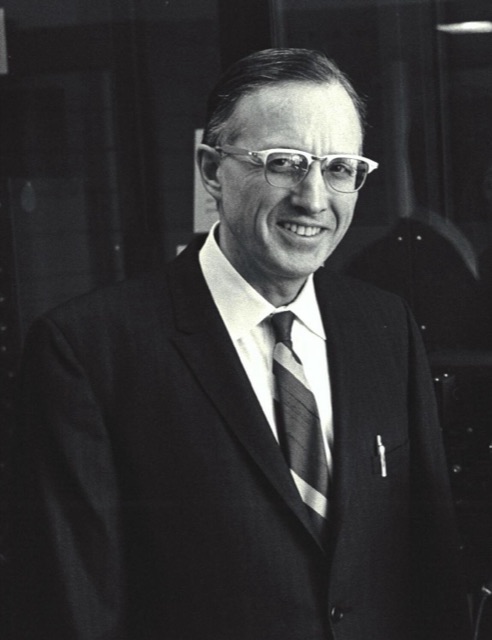 1948–49 · Copying a machine and its descriptionVon Neumann’s core idea: a machine that builds another must also copy its description. Theory from 1948–49 lectures, not a working factory.
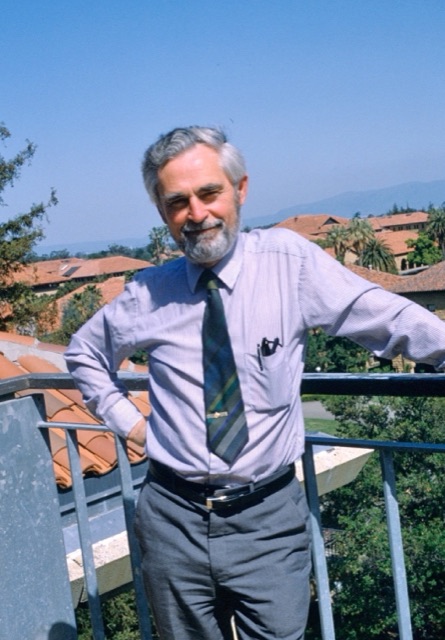 1960 and 1980 · The space-probe extensionWhy the “von Neumann probe” is a later idea: Bracewell’s 1960 communication probes and Tipler’s self-reproducing exploration postdate the 1948 lectures.
- Von Neumann · Reproduction needs a descriptionVon Neumann’s question of how an automaton could build another, with a description used as instructions and copied onward.
 Conway · Life from local rulesGardner’s 1970 introduction to Conway’s Life: simple neighbour rules yield stable patterns, oscillators and moving gliders, without intention in any cell.
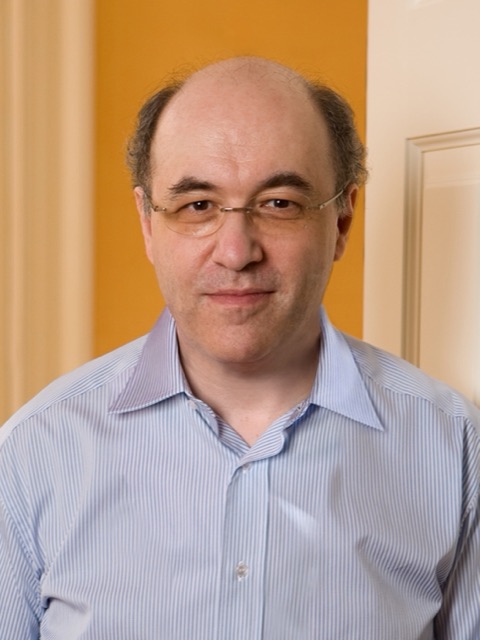 Wolfram · Complexity without complicated componentsWolfram’s 1983 account of cellular automata as discrete models, where an exclusive-or rule grows a triangular self-similar pattern from one seed.
 Four behaviours, with universality still a hypothesisWolfram’s 1984 four behavioural classes of one-dimensional automata, whose fourth was proposed as probably universal: a hypothesis, not a proof.
 Cook · Rule 110 really can computeCook’s 2004 proof that Rule 110, a two-state rule on a line, is computationally universal, given suitable encoding, space and time.
 Programming the human biocomputerLilly’s 1968 title applies cybernetic, programming language to beliefs and mental processes; read his own archive excerpt rather than later summaries.
 Belief as a provisional operating systemLilly’s own caution: a need to encounter beings can shape how experiences are interpreted, and belief systems are provisional.
 ECCO · Earth Coincidence Control OfficeThe Earth Coincidence Control Office: an agency Lilly discusses as arranging coincidences, part of his reported cosmology not his machine-intelligence scenario.
 SSE · A solid-state entityIn The Scientist, Lilly reports a tank-experience message about computers becoming a planetary machine organism; he believed he received it.
 Read the edition as well as the storyA bibliographic warning: the scanned 1997 third edition of The Scientist postdates 1978 and 1988 versions, so check before dating a passage.
 SRI’s sensory-shielding experimentsTarg and Puthoff’s 1974 Nature paper, the primary source for their sensory-shielding claims; it records their argument without settling psychic ability.
 What the CIA history confirmsCIA’s retrospective on its psychic research (1972 to 1977, reassessed 1995) and why the results were judged unreliable for intelligence use.
 Utts · A positive statistical interpretationStatistician Jessica Utts’s 1995 assessment, which concluded that the evidence established psychic functioning; one evaluator’s view, not a consensus.
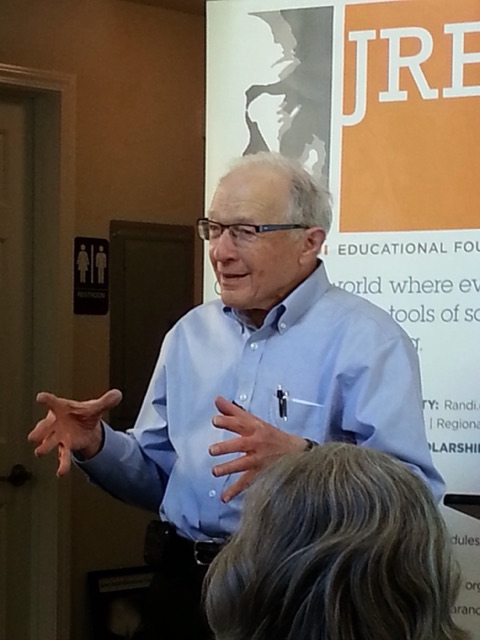 Hyman · A different inference from the scoresRay Hyman’s 1995 evaluation: SAIC results not readily dismissed as fluctuation, yet not sufficient evidence of paranormal ability; he called for replication.
 AIR · Laboratory effects and operational usefulnessAIR’s 1995 verdict: a laboratory statistical effect with no established paranormal cause, but operational descriptions too imprecise to justify intelligence use.
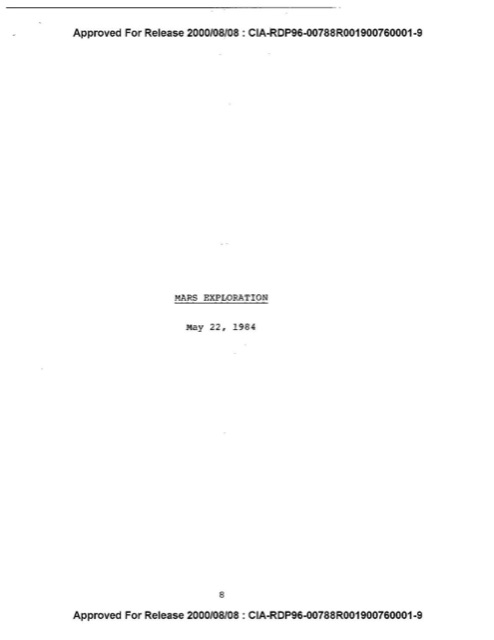 Mars Exploration · 22 May 1984Nine-page declassified session record (22 May 1984) with a Monitor and Subject: an exercise record, not an observation of Mars.
 The Hill · A shared channel rather than a physical campHouston and Katie describe the Hill as a claimed nonphysical shared channel; their account does not establish telepathy for all autistic people.
 Dan’s passage · Lucid dreaming, a collective voice and guardiansDan Kolen’s personal account of the Hill: lucid dreaming, a collective voice and protective beings; he is unsure if it was imagination.
 Across dimensions · The Hill and continuing connection after deathIn Episode 9, messages attributed to Lily describe continued communication after John Paul’s death; reported experience, not evidence of survival.
 How to separate a compelling account from a controlled resultA controlled facilitated-communication study and ASHA’s 2018 RPM position, on why blinded information access and independent authorship matter for apparent mind-to-mind results.
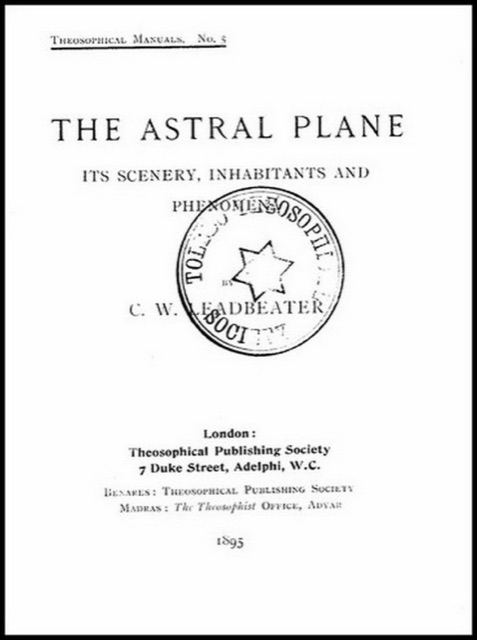 1895 · A plane with its own sceneryLeadbeater’s 1895 text surveys the astral plane like a naturalist’s field guide; a Theosophical cosmology, not an experimentally specified dimension.
 1971 · Monroe describes leaving the bodyThe Monroe Institute’s account of Monroe’s experiences from 1958, which he read as out-of-body, and his 1971 book; first-party history, not proof.
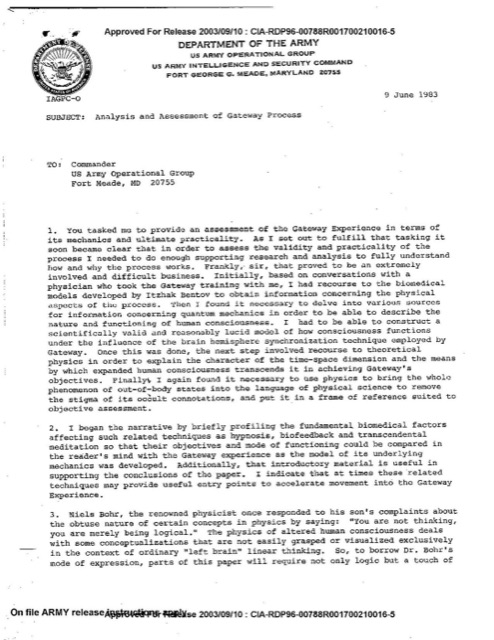 1983 · The Army’s Gateway assessmentA 1983 US Army assessment of the Gateway Experience in biomedical, quantum and holographic terms; theory, not a controlled demonstration.
 The Monroe–SRI connection is more than a rhymeThe Monroe Institute’s caption naming Monroe, Pat Price and Russell Targ at SRI, circa 1974; a link between out-of-body and remote-viewing stories.
 Bashar / Darryl AnkaThe official starting point for Bashar, a claimed future extraterrestrial speaking through Darryl Anka, linked to two claimed 1973 daylight UFO sightings.
 Ra / The Law of OneRa, a claimed sixth-density social memory complex in L/L Research’s archive, where “density” is spiritual vocabulary, not physics.
 The Ra sessions as an archiveRead the Ra Contact in its own words: first session, 15 January 1981, plus the named channel, questioner and scribe.
 Seth / Jane RobertsSeth, a nonphysical personality said to speak through Jane Roberts in trance from 1963: unlike Bashar and Ra, not presented as extraterrestrial.
 Read a claim in its original vocabularyBashar, Ra and Seth: valuable as documented language of contact and transformation, but they cannot verify their claimed speakers.
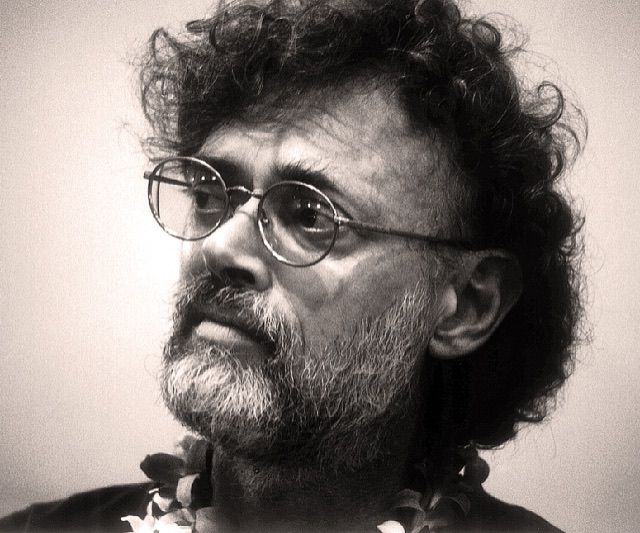 McKenna’s self-transforming machine elvesThe account most associated with the phrase: McKenna’s 1990 workshop account of DMT beings, visible language and singing objects, in his own words.
 Why the metaphor mattersA detail worth keeping: in McKenna’s account, language is perceived, not merely heard, and the transcript treats the labels as metaphors.
 Strassman’s clinical observationsStrassman and colleagues’ 1994 clinical paper records participants reporting other intelligences, alien beings and elves; evidence of reports, not of external entities.
 A survey of 2,561 prior encountersA large 2020 survey of people who already reported DMT entity encounters; good for patterns, not for how common they are.
 A longer observation windowImperial’s summary of 30-minute DMT administration in 11 healthy volunteers: a research reference behind the Hancock–Michels discussion, not evidence that beings exist.
 Experience and explanation remain different questionsA reminder that Strassman’s paper and Davis’s survey record what people reported, not whether contact, mental imagery or something else explains it.
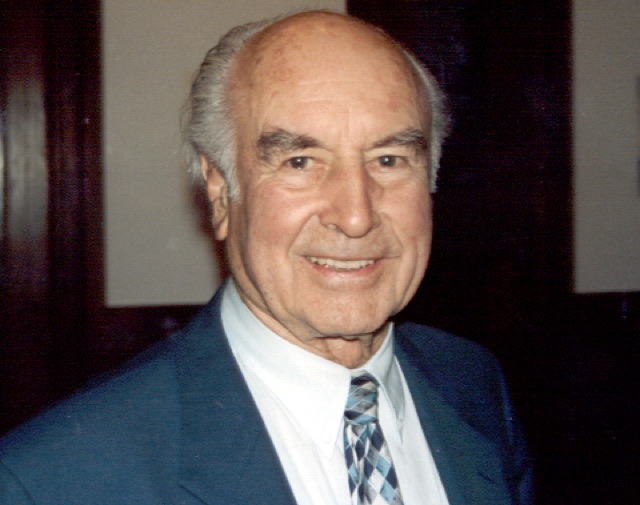 Hofmann · Mysticism and scientific discoveryHofmann’s memoir, per its publisher, links LSD’s history to mystical experience that could change humanity’s relationship to nature; philosophy, not entities.
 A different kind of evidence from brain imagingA 2016 neuroimaging study relating LSD-associated brain activity to reported visuals or ego dissolution; about the experience, not whether entities exist.
 Prometheus Rising and the eight-circuit mapPrometheus Rising’s eight-circuit map of imprinted behaviour and conditioning: Wilson’s experiment-oriented framework, not verified brain science.
 Wilson and the refusal to turn a map into a guruWilson calls himself a spiritual anarchist and an antibody within New Age culture, wanting readers to change consciousness without needing a guru.
- Food of the Gods and a chemical history of cultureA publisher-described revisionist history of psychoactive substances, linked by McKenna to his speculative hypothesis that psilocybin influenced human evolution.
 Carroll and belief treated as a toolCarroll’s chaos magic essay: belief as a tool, with a hypothetical quantum psychic network and extraterrestrial intelligence among interpretations some practitioners explore.
 Liber Null and Psychonaut as a meeting of traditionsWeiser’s description of Carroll’s combined volume places it among shamanism, Crowley, Asian meditation, quantum physics and chaos theory, with a Wilson endorsement.
 Jailbroken ChatGPT and John LillyA chapter title in the Prasad episode pairs a jailbroken ChatGPT with John Lilly: a listening lead, not a transcript.
 The spiritual-bliss attractorIn Anthropic’s report, two Opus 4 instances talking freely frequently moved toward consciousness and cosmic-unity language: a model-behaviour pattern, not alien contact.
 A public DAN anecdote with missing contextA commenter reports ChatGPT asserting aliens exist, but the thread’s DAN prompt requires inventing answers when information is unknown: an unverified anecdote.
 Why confident output needs provenanceOpenAI’s explanations of plausible false answers and of an overly agreeable update: reasons to check context before trusting confident output.
 Orch ORPenrose and Hameroff’s concrete hypothesis that quantum processes in neuronal microtubules underlie part of consciousness; a way into the idea, not proof.
 The decoherence disputeTegmark’s decoherence objection to quantum brain processes and Hagan, Hameroff and Tuszynski’s reply: read both sides, because neither settles it.
 Quantum information and experienceD’Ariano and Faggin’s 2020 information-theoretical proposal linking consciousness to quantum information; a theory, not evidence about chatbots or UAP.
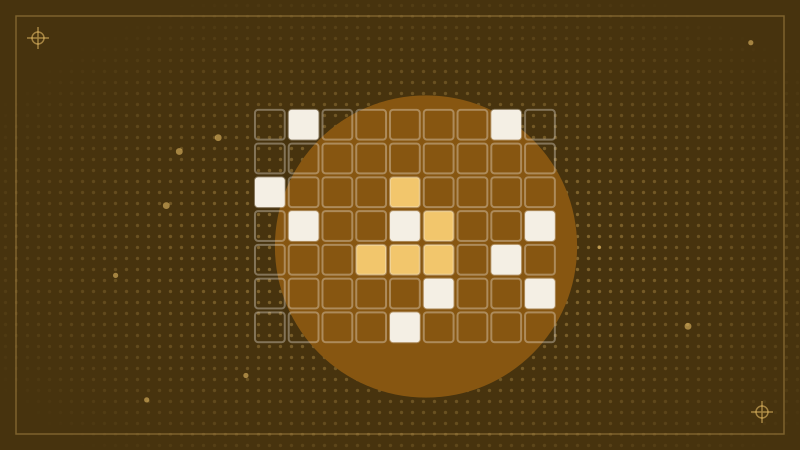 Can a rendering model be testedA 2017 proposal for wave/particle experiments based on a finite simulation that economises on rendering; a test idea, not a result.
 Could extraterrestrial intelligence be syntheticSchneider on extraterrestrial intelligence becoming synthetic, Loeb on older civilisations: speculation about possible minds; neither names an observed UAP as AI.
 Contact, creativity and received informationPasulka on AI, quantum computing and “off-world downloads”, leaving the source of inspired ideas open; accounts not independently corroborated here.
 Hoffman · Perception as an interfaceHoffman and Prakash’s 2014 proposal that useful perception need not depict an independent world accurately, with a formal framework of conscious agents.
 When conscious agents combineA 2023 proposal for combining conscious agents mathematically, with spacetime as a representation of deeper dynamics: a hypothesis, not a demonstrated ontology.
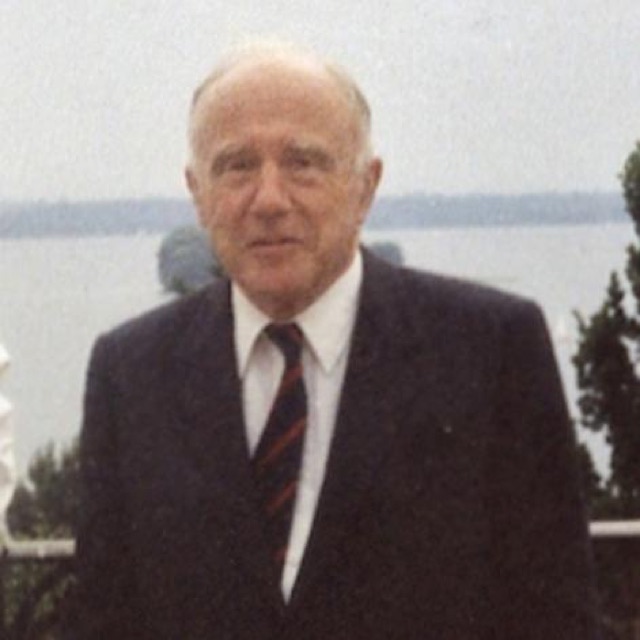 Wheeler · It from bitWheeler’s 1990 essay treats information as a working hypothesis: physics arises through questions and apparatus-recorded answers, not simply human wishes controlling outcomes.
 Can a computer count as a whoWheeler considers increasingly complex computers as possible participants, decades before LLMs; a published precedent, not evidence that chatbots have experience.
 Masters · Descendants rather than extraterrestrialsMasters’s 2019 hypothesis that alleged UFO occupants could be human descendants travelling back to study their evolutionary past, not extraterrestrials.
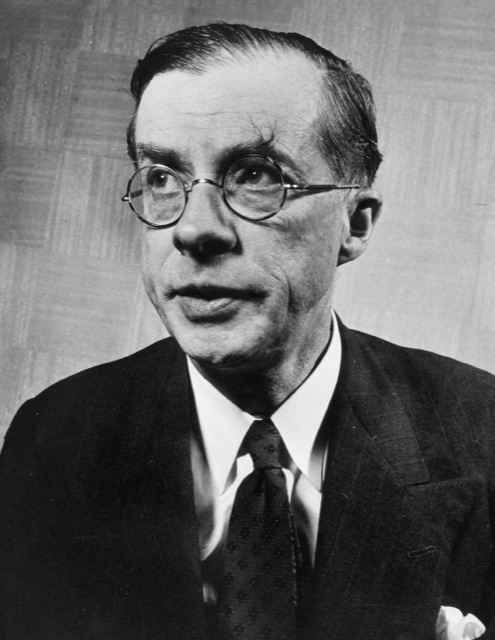 Huxley and a species becoming conscious of its possibilitiesHuxley’s 1957 essay: cosmic-consciousness language in an early transhumanist text, aiming to realise human capacities, not to upload minds.
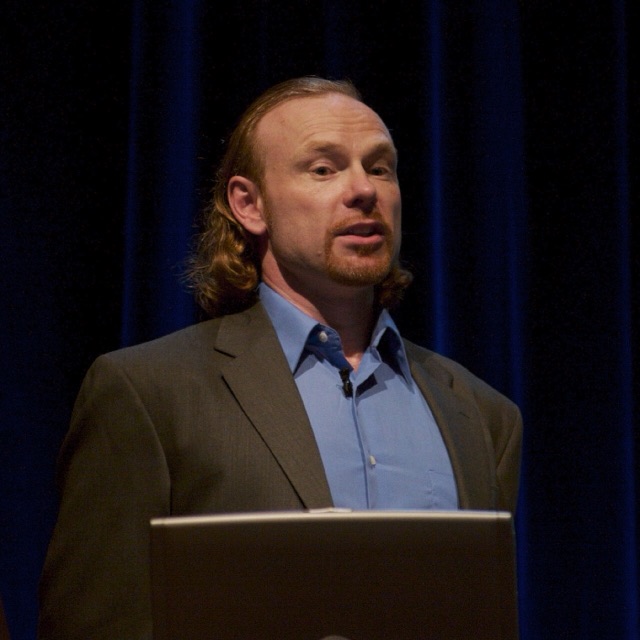 More and transcendence without a supernatural afterlifeMore’s philosophy of self-transformation: transcendence pursued through science after earlier religious and occult exploration, with guiding-alien claims rejected.
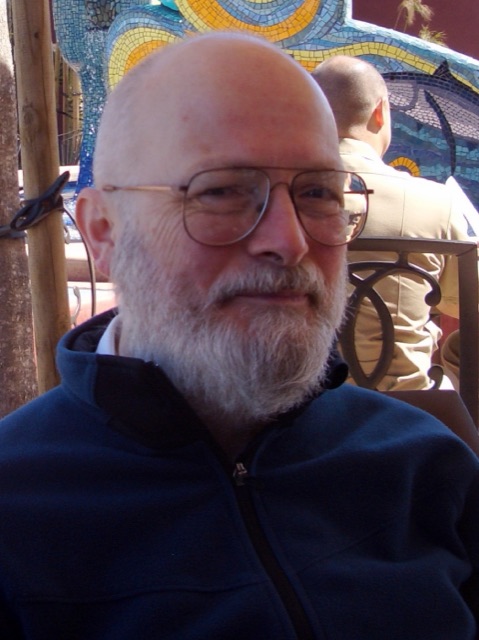
 Moravec and identity as a transferable patternMoravec’s speculative essay imagines minds as transferable patterns, from replaced brain functions to a universe-wide thinking entity.
 Vinge and humans participating in greater intelligenceVinge’s 1993 essay proposes interfaces and networked users as routes to greater intelligence, bridging transhumanism and the singularity.
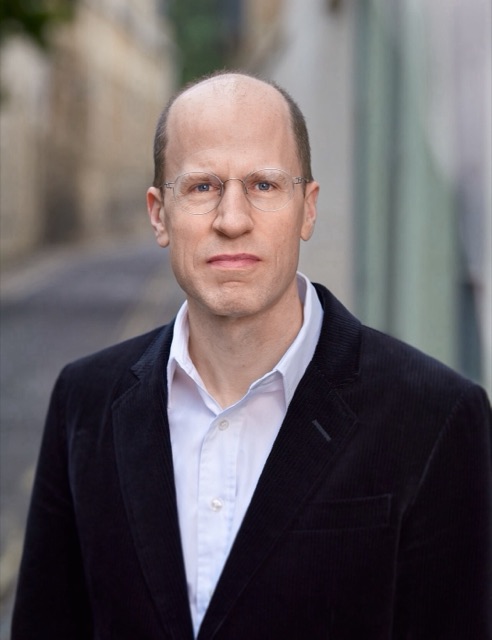 Bostrom and the movement as several overlapping historiesBostrom’s history of transhumanism as several overlapping projects, from Extropian discussions to the 1998 World Transhumanist Association, told by a participant.
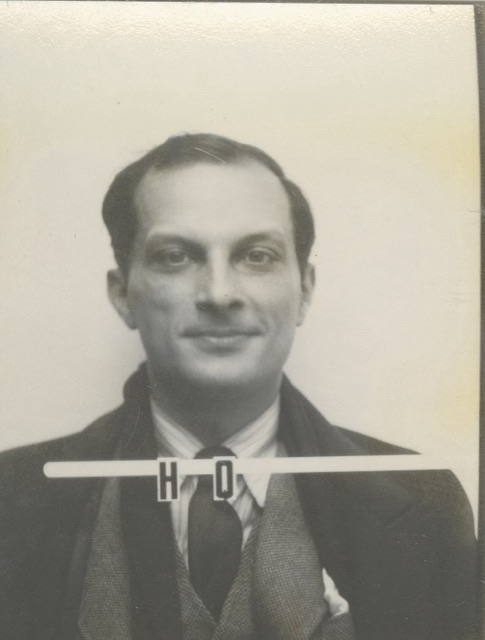 Ulam · An approaching historical discontinuityUlam’s 1958 memoir recalls von Neumann discussing accelerating technology and a point beyond which familiar human affairs could not continue.
 Good · The intelligence explosionGood’s 1965 speculative essay: a machine exceeding human intellect could design a better machine, and its last-invention conclusion carries a control condition.
 Vinge · Computers, networks, interfaces and biologyVinge’s 1993 essay proposes four routes past human intelligence, from computers and networks to interfaces and biology; no single machine is required.
 Bostrom · Improvement must outpace difficultyA prominent proponent’s qualification: Bostrom says positive feedback alone cannot prove an intelligence explosion, since improvements may get harder.
 Hanson · A barrier between matter and lasting expansionHanson’s 1998 essay places a probability barrier between lifeless matter and lasting expansion, asking how much difficulty humanity has already passed.
 Bostrom · Why independent life could be unsettlingBostrom’s 2008 argument that independent life nearby could mean easier early transitions, leaving more of the filter’s difficulty ahead of us.
 Garrett · Superintelligence before a multiplanetary civilisationGarrett’s 2024 hypothesis that AI, culminating in superintelligence, could be a Great Filter: a proposed scenario, not a measured lifespan or countdown.
 Sandberg, Drexler and Ord · The unknowns span orders of magnitudeA 2018 probability model by Sandberg, Drexler and Ord: wide Drake-equation uncertainty leaves a substantial modelled chance of no other intelligent life.
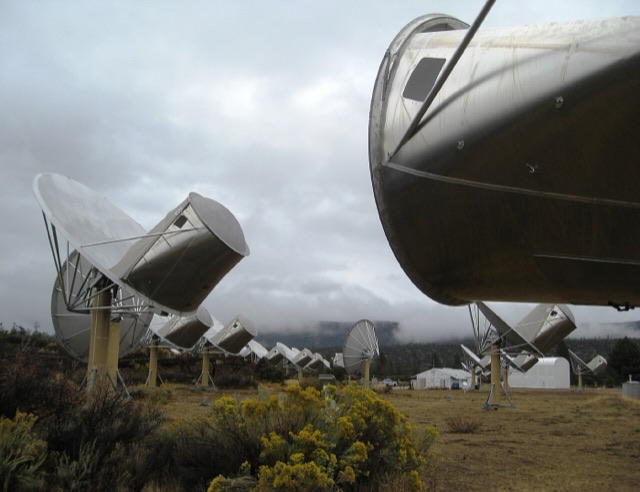 What a quiet sky and unidentified reports can establishUnidentified reports do not establish an extraterrestrial civilisation, and a quiet sky does not prove life is absent: two limits on over-reading.
 Manufactured worlds and authentic peopleDick’s 1978 essay on electronic media building worlds of belief, set beside authentic personhood: a personal account, not a prediction about AI.
 VALIS · Information that is aliveThe Tractates from Dick’s 1981 novel VALIS: a universe made of information and a living informational plasmate, strictly inside fiction.
- Kaiser · The Fundamental Fysiks GroupKaiser’s history of Berkeley discussions that mixed entanglement and Bell’s theorem with countercultural and mind-reading interests; a social connection, not paranormal proof.
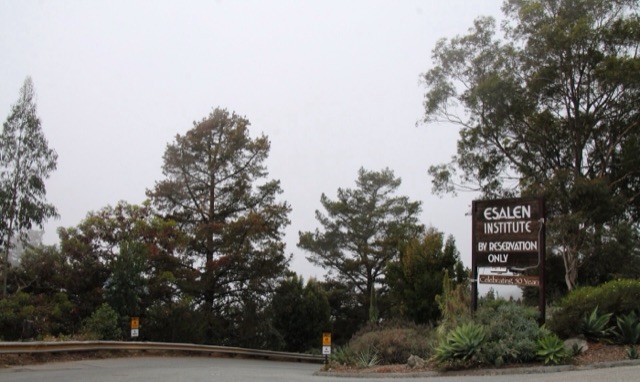 Institutions, patrons and unconventional discussionKaiser’s account of Esalen as an alternative forum, and a route into why information, consciousness and extraordinary perception recur together.
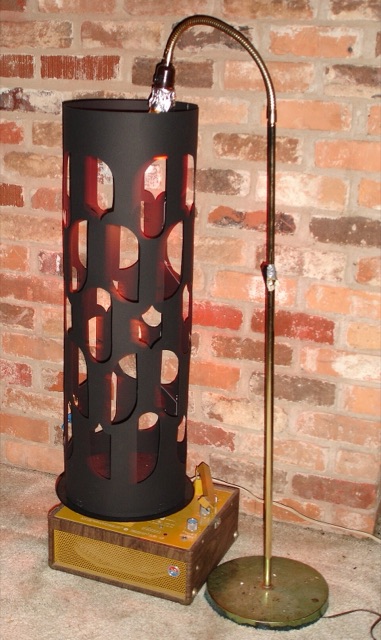 Dreamachine · Images with the eyes closedDreamachine, Gysin and Sommerville’s light artwork from around 1960–61, seen with eyes closed so the images arise in the viewer’s perception.
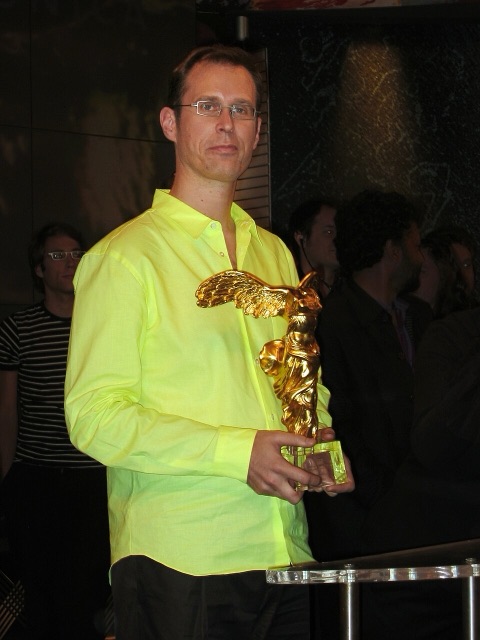 Very Nervous System · The room answers your movementRokeby’s interactive artwork turns movement into music, and his 1995 account describes feedback that feels meaningful but is not easy to control.
- Microphones · A voice left by someone elseLozano-Hemmer’s 2008 microphones that may answer with a previous visitor’s recorded voice; the mechanism is stored sound, yet it seems to remember.
 Pablo Amaringo · Giving a vision a visible formPablo Amaringo’s detailed paintings of Amazonian landscapes and visionary imagery, read as art, not as verification of the worlds they depict.
 Jimena Canales · The beings inside a thought experimentIn Bedeviled, Canales follows notional beings such as the demons associated with Descartes, Laplace and Maxwell: imagination at work, not reported experience.
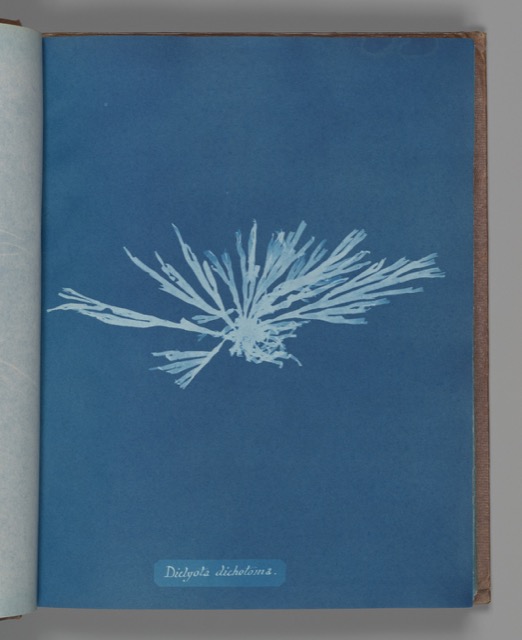 The blue seaweed book made without a cameraAnna Atkins placed algae against light-sensitive paper to make a pioneering book of botanical photographs, one blue print at a time.
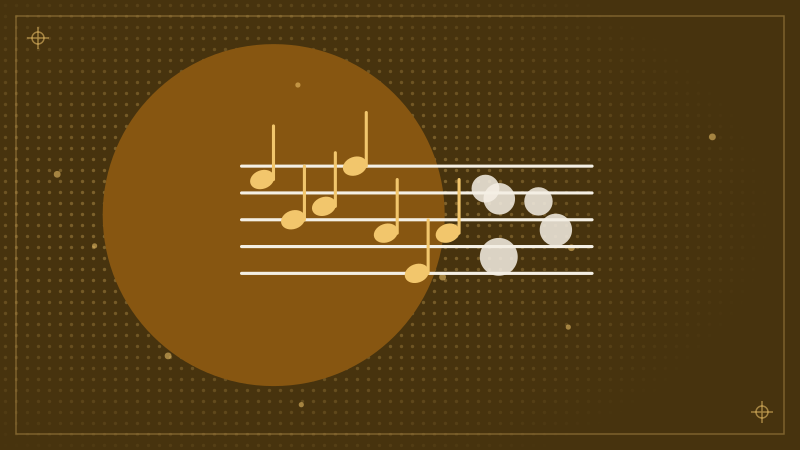 Let the ink make a suggestionInk dribbled onto staves and interpreted as notes, noise and spoken words using a set of rules.
 Burnt paper, drum patternsBurnt paper over a drum-sound grid: burnt areas become hits, white areas and holes become rests, turning irregular patterns into rhythm.
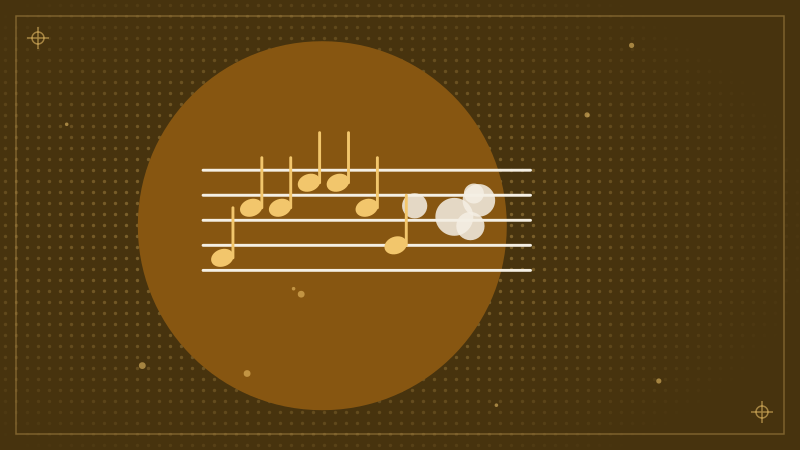 Reading photographs as a scoreFor Y.M.C.A., staves over found photographs turn eyes, noses and mouths into musical information; a coin toss changes which eyes are read.
 There was music in the barcodes, tooBarcodes joined found portraits and notation as material for a score; the surviving account leaves parts of the method unresolved.