Odd AlmanacSearch

Quantum minds & information realities

Proposals about what consciousness is, with their disagreements preserved.

6 entries · 2 sections

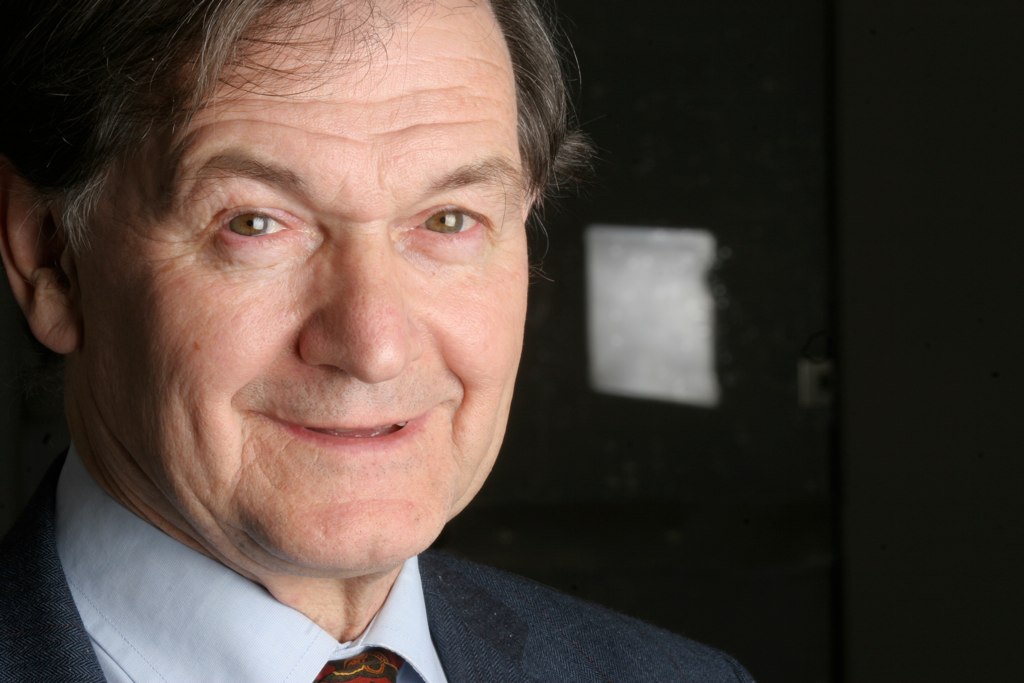
Close portrait of Roger Penrose at Festival della Scienza
Roger Penrose at Festival della Scienza, Genoa, November 2005. Festival della Scienza · CC BY-SA 2.0

Quantum consciousness, idealism and simulation theory are often grouped together in fringe conversation. They ask different questions and can lead to opposing conclusions about AI. A theory of subjective experience is also not, by itself, an explanation of UAP.

Quantum consciousness

Proposals linking consciousness to quantum processes or quantum information, with a published objection and reply on the biological feasibility of quantum brain processes.

Close portrait of Roger Penrose at Festival della Scienza
Roger Penrose at Festival della Scienza, Genoa, November 2005. Festival della Scienza · CC BY-SA 2.0

Theory & argumentConsciousness hypothesis · 2014

Orch OR

Penrose and Hameroff’s concrete hypothesis that quantum processes in neuronal microtubules underlie part of consciousness; a way into the idea, not proof.

Penrose and Hameroff propose that quantum processes in neuronal microtubules, ending in a proposed objective-reduction process, form part of the basis for consciousness. It is a concrete biological and physical hypothesis; the review is a route into it, not a verified account of consciousness or contact.

Free reading: the linked 2011 exposition is an earlier work, not the 2014 review.

Stuart Hameroff and Roger Penrose · free reading link pendingRoger Penrose and Stuart Hameroff (external source, opens a new tab)
Source details & what was checked
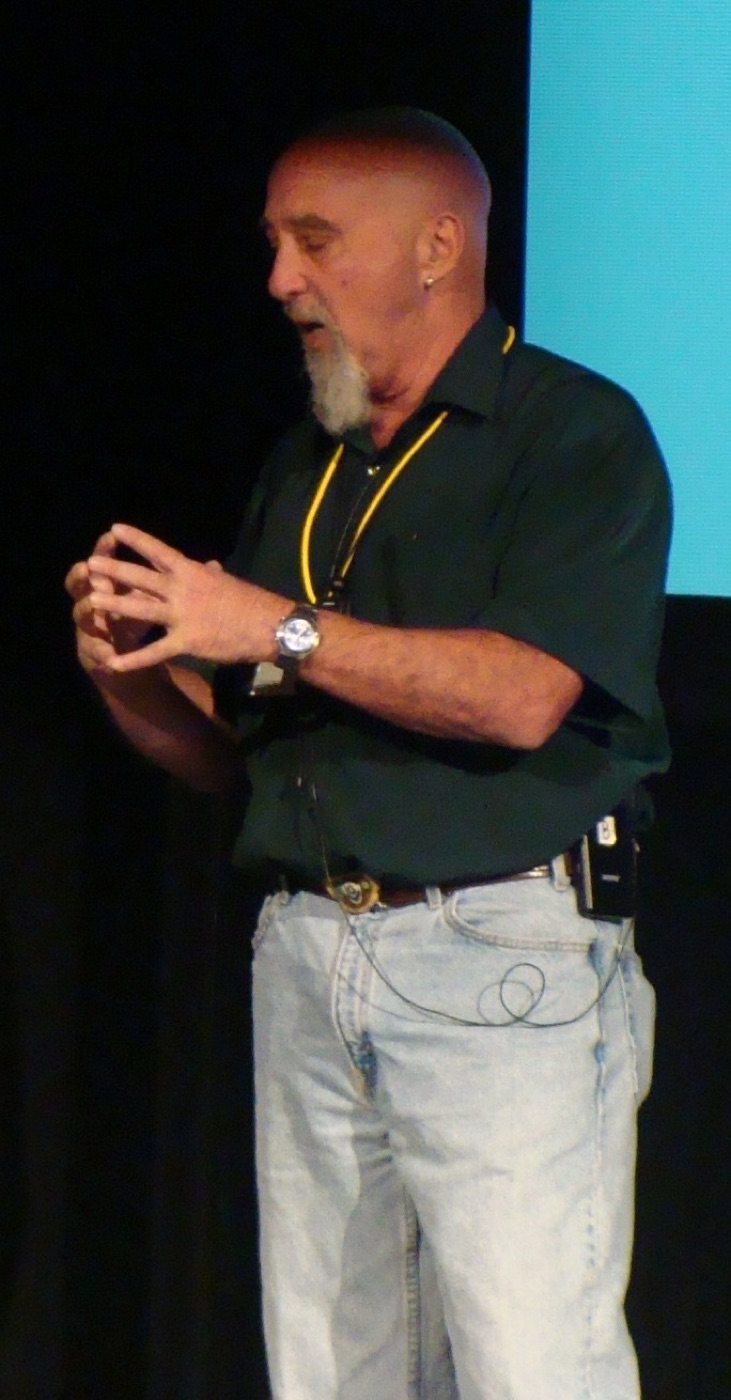
Stuart Hameroff speaking on a conference stage, hands held together in front of him
Stuart Hameroff speaking at the Toward a Science of Consciousness conference, Arizona, 2008. Later photograph, not from the 2000 decoherence exchange. Zereshk · CC BY 3.0

Theory & argumentTheoretical critique · 1999 preprint / 2000 paper

The decoherence dispute

Tegmark’s decoherence objection to quantum brain processes and Hagan, Hameroff and Tuszynski’s reply: read both sides, because neither settles it.

Tegmark challenged the biological feasibility of quantum brain processes with decoherence calculations. Hagan, Hameroff and Tuszynski disputed his modelling assumptions and calculated different timescales. Read both sides; neither the objection nor the reply is a final resolution.

Source details & what was checked
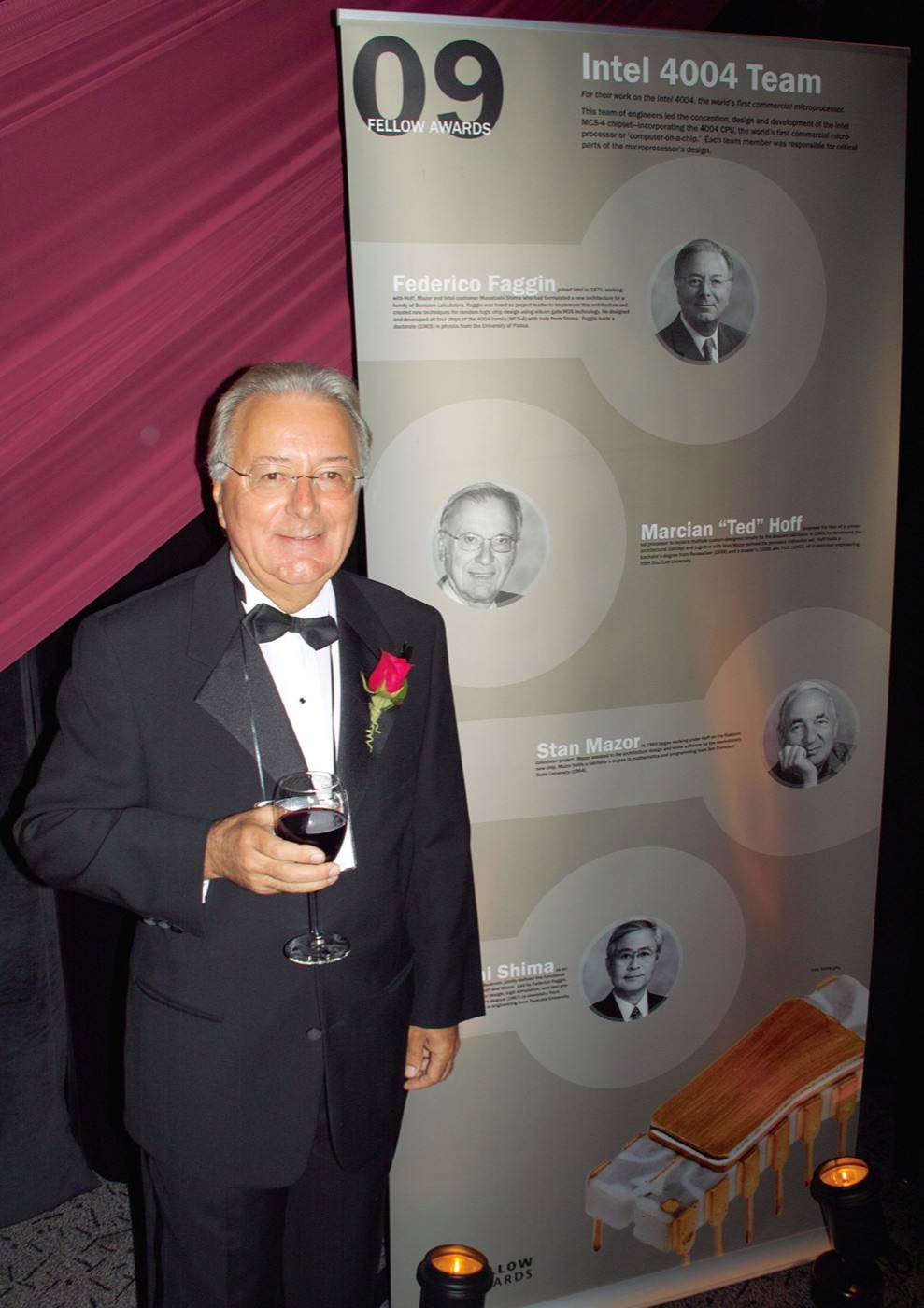
Federico Faggin in a tuxedo holding a wine glass beside the 2009 Fellow Awards Intel 4004 Team display
Federico Faggin at the Computer History Museum's Fellow Awards event, 20 October 2009, beside the display for the Intel 4004 team, when he was inducted as a Fellow. A later portrait of an engineer who now writes on consciousness. Dicklyon · CC BY-SA 4.0

Theory & argumentConsciousness hypothesis · 2020

Quantum information and experience

D’Ariano and Faggin’s 2020 information-theoretical proposal linking consciousness to quantum information; a theory, not evidence about chatbots or UAP.

D’Ariano and Faggin propose an information-theoretical account linking consciousness and quantum information, resting on different assumptions from a classical AI model. It is a theoretical approach; it should not be stretched into a claim that current chatbots have subjective experience or a connection to UAP.

Source details & what was checked
Back to sections ↑

Simulation and synthetic intelligence

Speculative material: a simulation-test proposal, arguments about synthetic extraterrestrial intelligence, and a researcher’s discussion of contact and received ideas.

Editorial illustration: a grid of cells, some filled
Editorial illustration · Z13 visual study

Theory & argumentExperimental proposal · 2017

Can a rendering model be tested

A 2017 proposal for wave/particle experiments based on a finite simulation that economises on rendering; a test idea, not a result.

Campbell and colleagues propose wave/particle experiments based on a finite simulation economising on what it renders. It is an experimental proposal rather than a positive test result. It supplies a particular rendering assumption; it does not establish every version of simulation theory.

Source details & what was checked
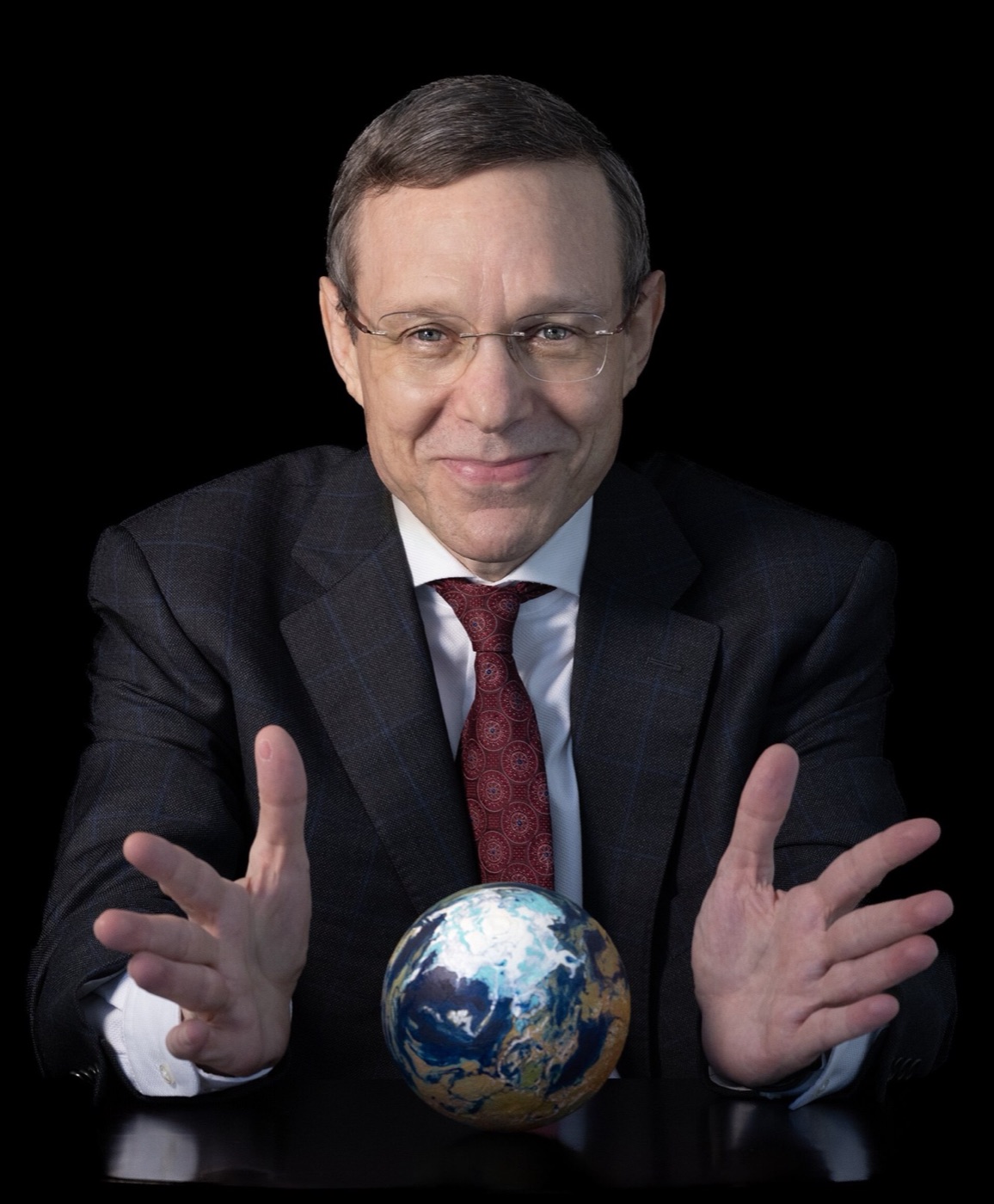
Avi Loeb in a dark suit leaning forward over a small model Earth against a black background
Avi Loeb, studio portrait by Christopher Michel, 4 October 2023. Portrait only; not evidence for any UAP claim. Christopher Michel · CC BY-SA 4.0

Theory & argumentPhilosophical hypothesis · 2021

Could extraterrestrial intelligence be synthetic

Schneider on extraterrestrial intelligence becoming synthetic, Loeb on older civilisations: speculation about possible minds; neither names an observed UAP as AI.

Schneider considers advanced extraterrestrial intelligence becoming synthetic. Loeb discusses contact with older civilisations and what humanity might learn from them, including more advanced physics. These are separate speculative arguments about possible intelligences; neither identifies a particular observed UAP as AI.

Source details & what was checked
Editorial illustration: stacked waves between two points
Editorial illustration · Z13 visual study

Commentary & interviewResearcher interview · 26 November 2023

Contact, creativity and received information

Pasulka on AI, quantum computing and “off-world downloads”, leaving the source of inspired ideas open; accounts not independently corroborated here.

Pasulka discusses AI, quantum computing and potentially noncarbon consciousness alongside accounts of “off-world downloads.” She explicitly leaves the origin of inspired ideas open between external agency and a human process not yet understood. Her work is useful for how technical and religious interpretations meet.

Source details & what was checked
Back to sections ↑