Odd AlmanacSearch

Humanity as a work in progress

Self-transformation, transferable minds and the ambition to participate in evolution.

5 entries · 3 sections

Editorial illustration: a double helix with rungs
Editorial illustration · Z13 visual study

These original texts place enhancement beside older aspirations for transcendence, but their authors disagree about what survives, what counts as a person and which sources of knowledge to trust. The bridges here are historical and conceptual; they do not make transhumanism, UAP contact, quantum consciousness and spiritual awakening a single mechanism.

Transcending the present human condition

Huxley and More each frame enhancement as going beyond the present human condition, Huxley in cosmic-consciousness language and More as technological self-transformation.

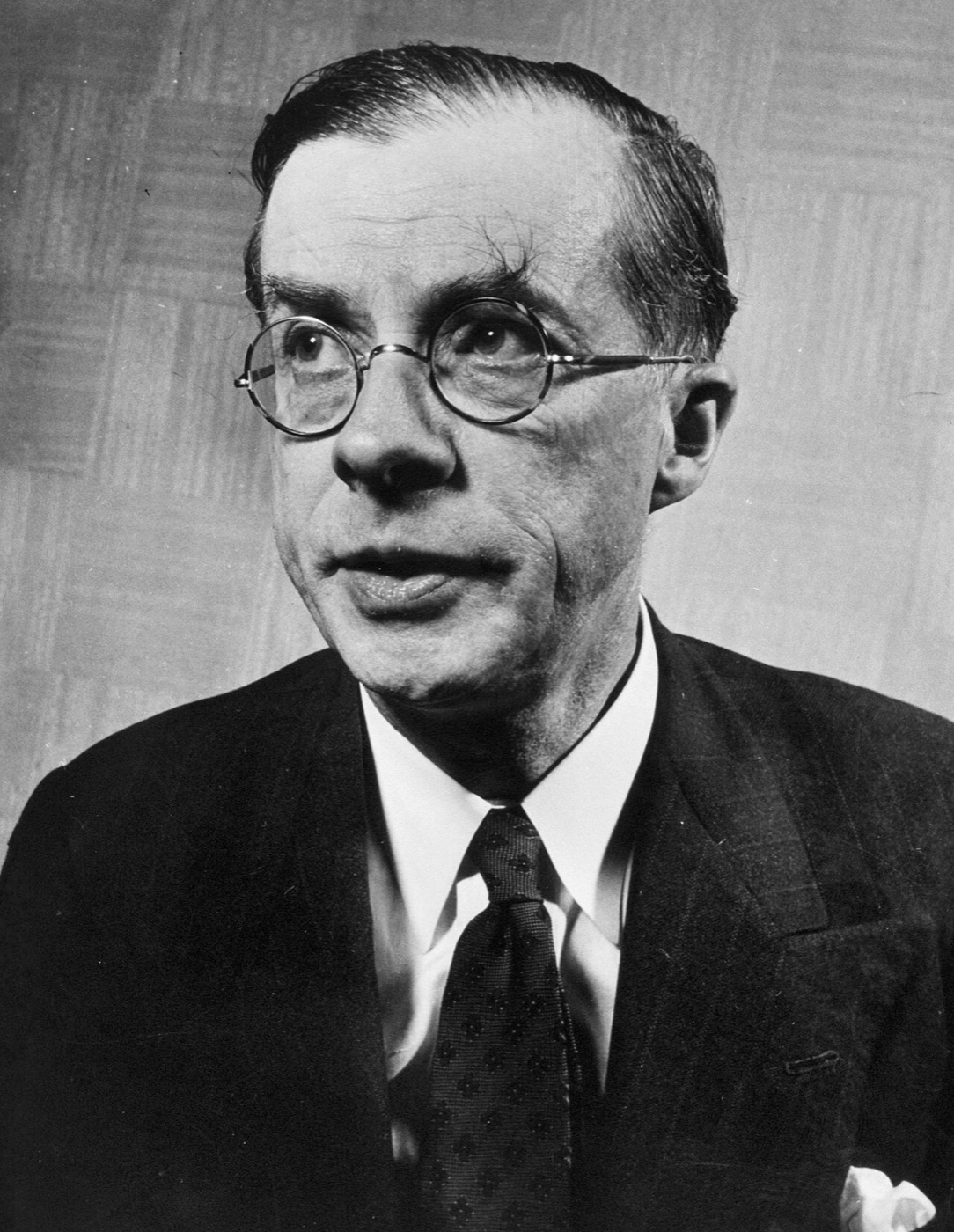
Black-and-white portrait of a man in round glasses, dark suit and tie looking to one side
Julian Huxley, from the Dutch Nationaal Archief (Anefo news-agency collection), catalogued 12 February 1964; photographer unknown and date of the original portrait not stated. Anefo / Nationaal Archief (photographer unknown) · CC BY-SA 3.0 NL

Theory & argumentOriginal philosophical essay · 1957

Huxley and a species becoming conscious of its possibilities

Huxley’s 1957 essay: cosmic-consciousness language in an early transhumanist text, aiming to realise human capacities, not to upload minds.

Huxley’s 1957 essay opens with the universe becoming conscious of itself through human beings, and allows that conscious life may also exist elsewhere. He describes humans taking responsibility for evolution, then proposes transhumanism as humanity realizing capacities beyond its present condition. Education, social environment, inner life and spiritual development sit beside science in his program. This is a real cosmic-consciousness vocabulary in an early transhumanist text, not a later AI gloss. His stated aspiration still keeps humans human: it is not a proposal for uploading a mind or evidence of alien intervention.

Original essay, not a current scientific result. Its historical social and population prescriptions should not be silently equated with later individual-choice versions of transhumanism.

Source details & what was checked
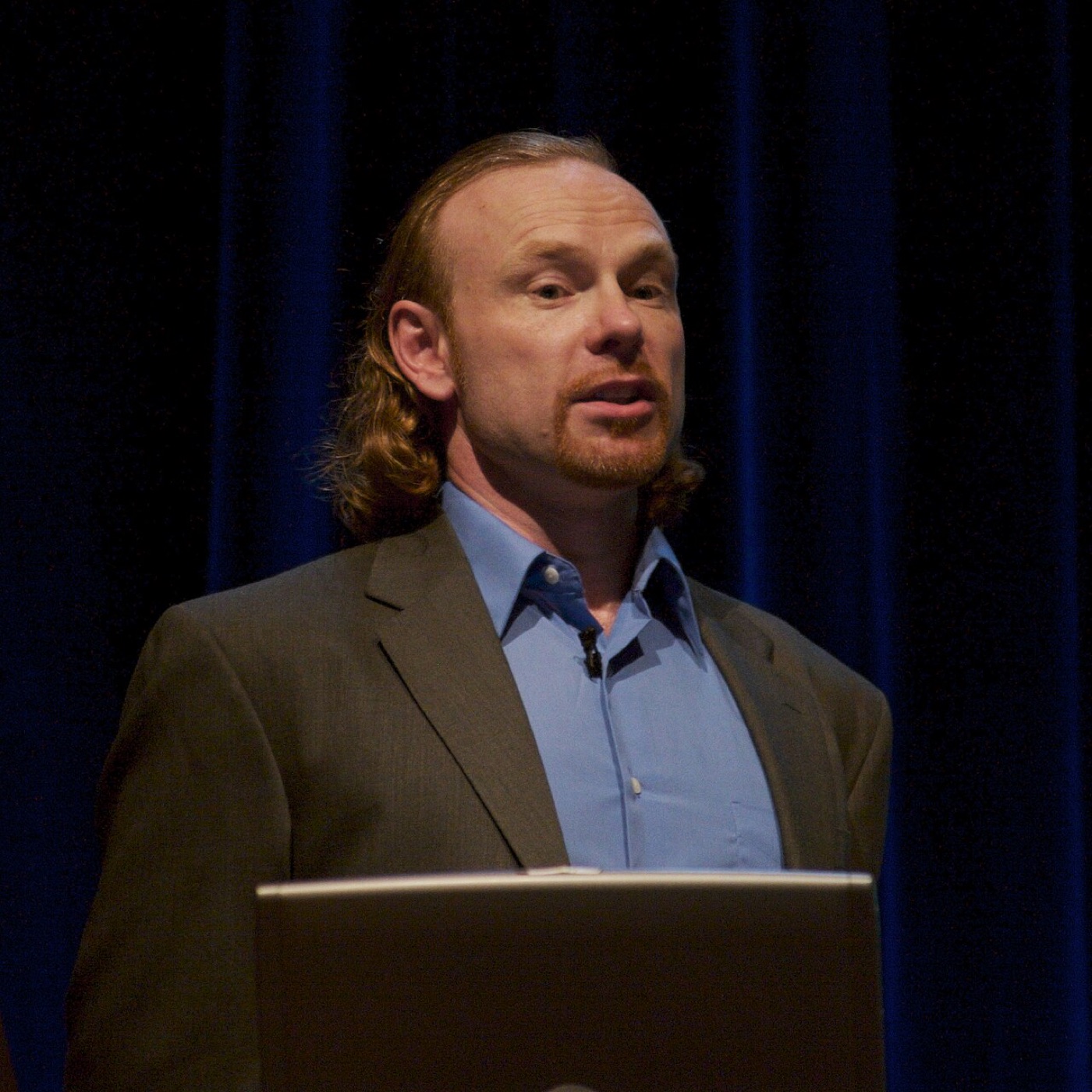
Man with long reddish hair and a goatee speaking in front of a dark blue curtain, a laptop in the foreground
Max More at a summit at Stanford University, 13 May 2006. Later photograph than his 1990 essay. "null0" (Flickr) · CC BY-SA 2.0

Theory & argumentAuthor-republished philosophical essay · Summer 1990; later revised

More and transcendence without a supernatural afterlife

More’s philosophy of self-transformation: transcendence pursued through science after earlier religious and occult exploration, with guiding-alien claims rejected.

More’s essay connects neuroscience, neuropharmacology, life extension, nanotechnology, artificial ultraintelligence and space habitation within a philosophy of self-transformation, offering meaning through ongoing development rather than worship of an external perfection. In his retrospective introduction, More explicitly connects his drive for transcendence with earlier religious and occult exploration, then describes turning toward science and technology. The overlap with spiritual language is therefore attributable, but he also rejects faith-based claims about guiding aliens. It is a polemical worldview, not a demonstrated mechanism for transferring souls or guaranteeing indefinite survival.

Written in 1989; first published Summer 1990. The author-republished text includes 1994/1996 revisions and later commentary, so do not label every displayed sentence an unchanged 1990 quotation.

Source details & what was checked
Back to sections ↑

Patterns, interfaces and expanded minds

Moravec’s transferable minds and Vinge’s interfaces and networks are speculative routes to expanded human intelligence, presented as thought experiments and forecasts.

Editorial illustration: a grid of cells, some filled
Editorial illustration · Z13 visual study

Theory & argumentOriginal speculative essay · 1986 author archive text

Moravec and identity as a transferable pattern

Moravec’s speculative essay imagines minds as transferable patterns, from replaced brain functions to a universe-wide thinking entity.

Moravec’s speculative essay imagines replacing brain functions with computation, then copying, accelerating and moving minds between bodies. He advocates pattern identity: continuity of organization and process matters more than continuity of biological material. His speculation extends to merging memories, communal identities, other species and possibly other expanding civilizations, culminating in a universe-wide thinking entity. These are actual claims in his text, not additions invented for this scrapbook. They bridge robotics, personal survival and cosmic mind, while leaving unresolved whether a functional copy would preserve subjective identity.

CMU author archive page dated 1986; author CV records 1987 journal publication. These are thought experiments and forecasts. Mind Children (1988) metadata was checked; its full text was not reviewed.

Source details & what was checked
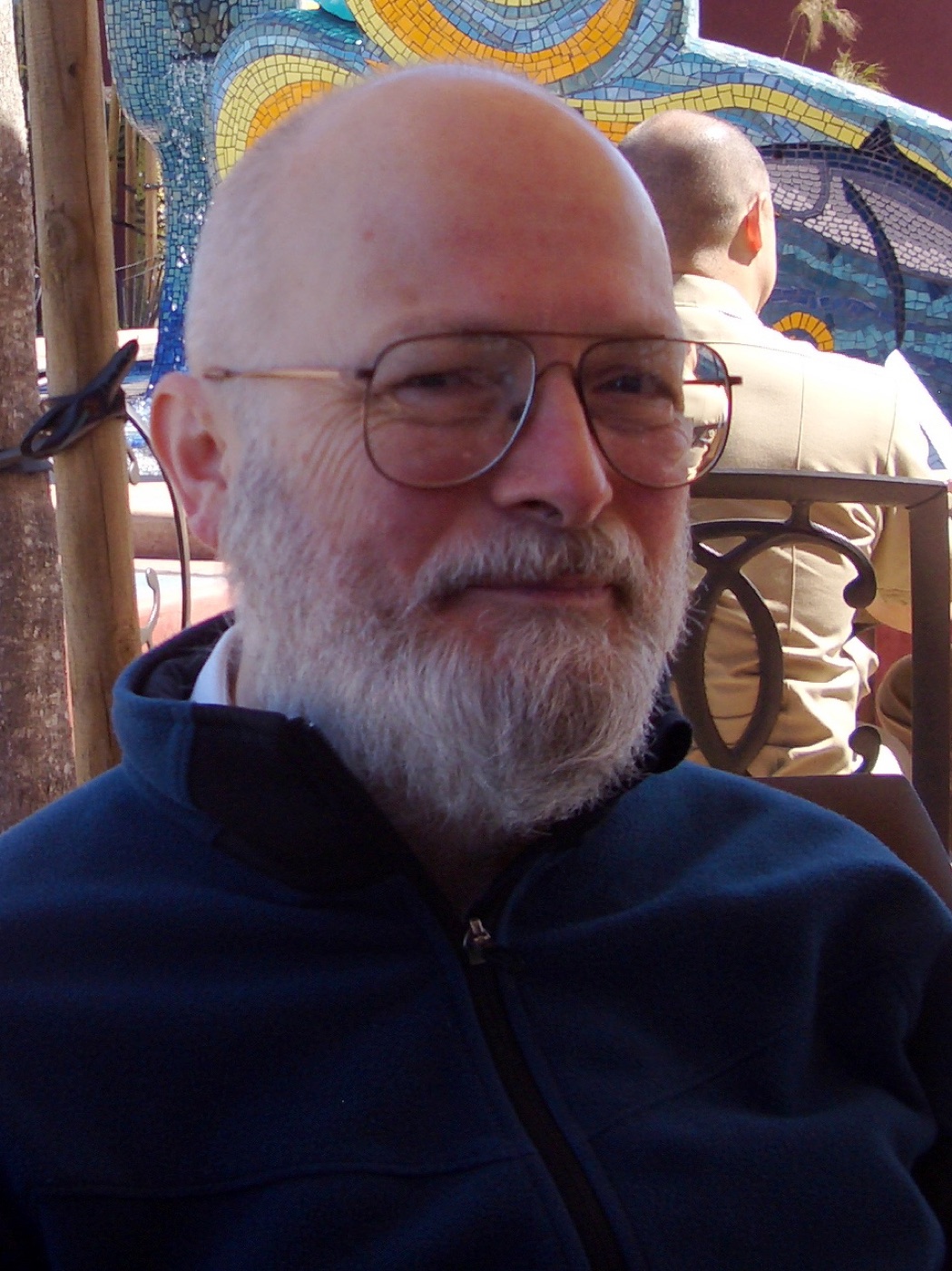
Bald white-bearded man in glasses and a navy fleece photographed outdoors with a tiled mosaic behind him
Vernor Vinge, 3 March 2008. Later photograph than his 1993 essay. David Orban (Flickr) · CC BY 2.0

Theory & argumentOriginal essay archive · 1993

Vinge and humans participating in greater intelligence

Vinge’s 1993 essay proposes interfaces and networked users as routes to greater intelligence, bridging transhumanism and the singularity.

Vinge’s 1993 singularity essay includes humans inside its proposed pathways: intimate computer–human interfaces could produce enhanced people, while networks together with their users might form superhuman intelligence. Biological improvement is another route. That supplies a documented bridge between transhumanist enhancement and the singularity discussion without requiring humanity simply to be replaced by a separate machine. His forecast does not establish that any particular interface will work, that personal consciousness can be uploaded, or that greater capability necessarily produces spiritual wisdom. The common subject is the changing boundary of human intellectual capacity.

Original conference essay. Its appearance in NASA proceedings establishes publication provenance, not institutional endorsement of its forecasts.

Source details & what was checked
Back to sections ↑

A movement with several histories

Bostrom’s account treats transhumanism as several intersecting projects rather than one movement with a single mechanism or future.

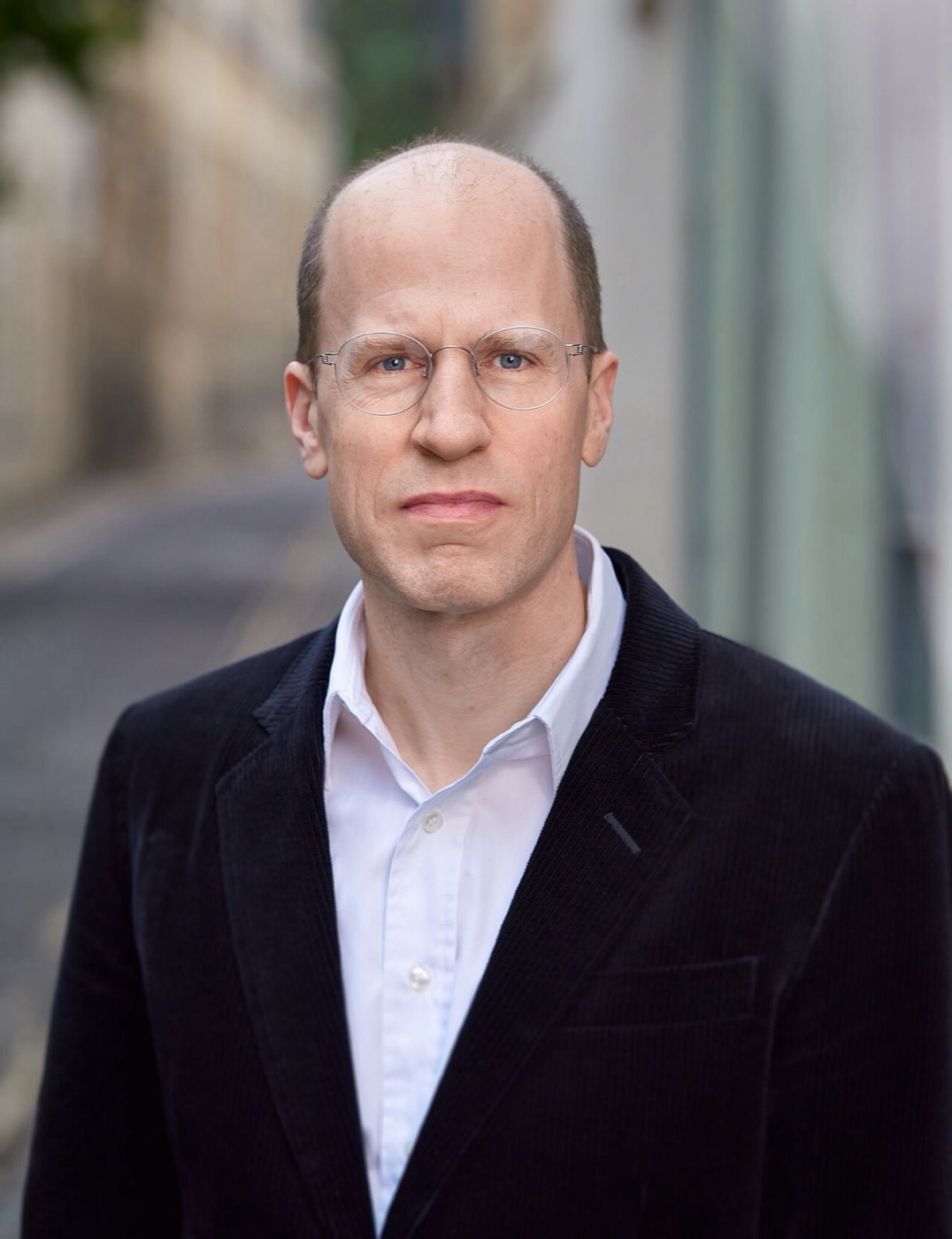
Bald man in round glasses, a dark corduroy jacket and white shirt on a blurred Oxford street
Nick Bostrom, portrait released by the Future of Humanity Institute (file dated 13 August 2020). Later photograph than his 2005 history. Ryan Cowan (file metadata); published by the Future of Humanity Institute · CC BY 4.0

History & recordMovement participant historical account · April 2005; displayed edited reprint 2011

Bostrom and the movement as several overlapping histories

Bostrom’s history of transhumanism as several overlapping projects, from Extropian discussions to the 1998 World Transhumanist Association, told by a participant.

Bostrom’s historical account places transhumanism among rational humanism, speculative robotics, uploading, cryonics and philosophical debates over enhancement. It describes early Extropian discussions and the World Transhumanist Association, founded by Bostrom and David Pearce in 1998, while tracing differences in political outlook and institutional aims. That is useful precisely because the movement has no single mechanism or universally shared future. Read it as a participant’s scholarly reconstruction of several intersecting projects. Its links to older aspirations for longer life explain recurring themes; they do not prove that technological enhancement fulfills religious promises.

Originally April 2005; author page displays a slightly edited 2011 reprint. Historical claims come from a movement participant, whose framing should remain attributed.

Source details & what was checked
Back to sections ↑