Odd AlmanacSearch

Familiar places, slightly elsewhere

Thresholds, quiet architecture and the logic of a remembered dream.

3 entries

Editorial illustration: a receding corridor ending in a lit doorway
Editorial illustration · Z13 visual study

Here, liminal spaces means places experienced as in-between: a passage, an empty concourse, a room waiting for something to begin. Dreamcore is a loose contemporary aesthetic label, not a scientific category. This selection follows gentle dislocation, soft light and unusual combinations, without needing a horror storyline.

An atmosphere, with a reading trail

The parallels below are curatorial readings, not claims of a single historical lineage.

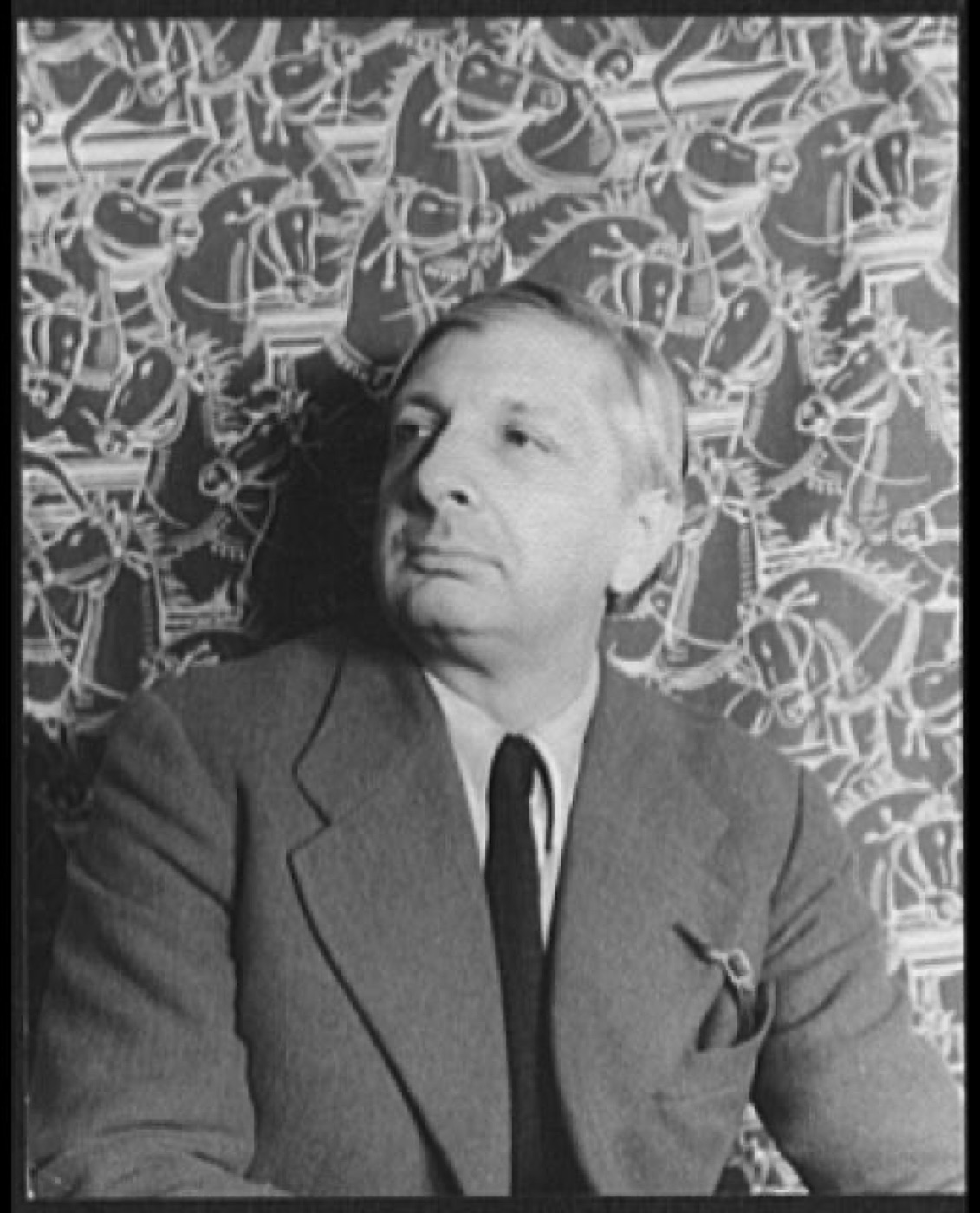
Black-and-white portrait of a man in a grey jacket and dark tie in front of patterned horse-print fabric
Giorgio de Chirico, photographed by Carl Van Vechten, 1936 (Library of Congress). A portrait of the painter, not a reproduction of The Song of Love (1914). Carl Van Vechten (Library of Congress) · Public domain

Art & literatureMuseum collection record · 1914

De Chirico · Ordinary objects, impossible company

A 1914 de Chirico painting that groups familiar objects without explanation: a curated parallel for dreamlike places that stay strange without threat.

De Chirico’s painting The Song of Love places a classical head, a rubber glove and a green ball in an architectural setting; their familiar identities do not explain their company. As a curated parallel to dreamlike places, the arrangement shows how a scene can stay strange without anything threatening happening.

Curated parallel: de Chirico’s 1914 painting predates the internet label dreamcore.

Source details & what was checked
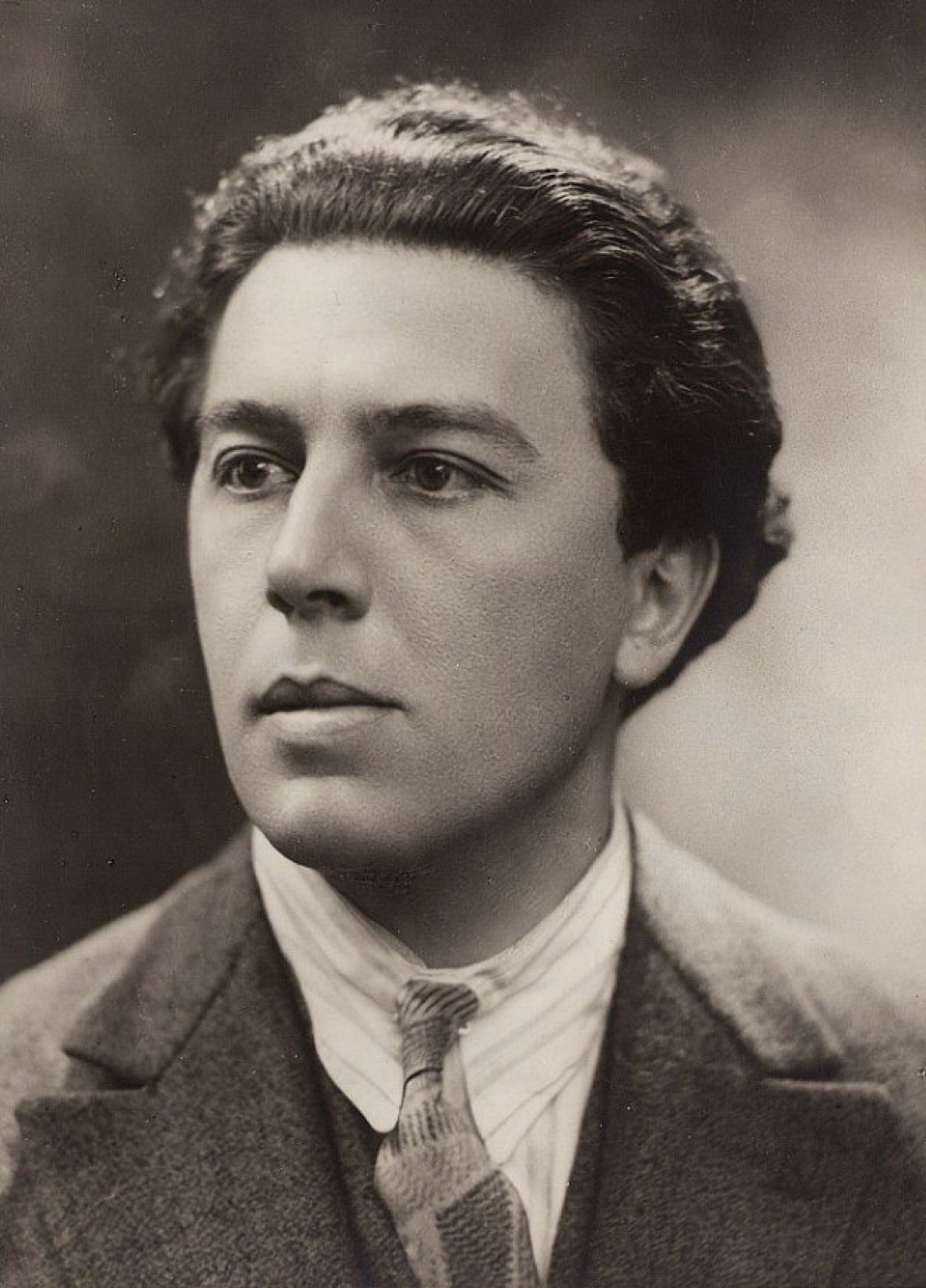
Sepia portrait of a young man with swept-back dark hair, striped shirt and tweed jacket looking to the left
André Breton, photographed by Henri Manuel, 1927. A contextual portrait of a leading surrealist; the cited MoMA page discusses the surrealists as a group. Henri Manuel · Public domain

Art & literatureMuseum interpretation · Undated collection essay

Dreams as a method of making art

MoMA’s account of surrealists using dreams, free association and automatic drawing to loosen deliberate control: an art-historical route into dreamlike imagery.

MoMA describes how surrealists used dreams, free association and automatic drawing to loosen deliberate control, an attributable art-historical route into dreamlike imagery. It does not establish dreamcore as a formal surrealist movement, or every dream as a message from elsewhere.

Source details & what was checked
Editorial illustration: a receding corridor ending in a lit doorway
Editorial illustration · Z13 visual study

Tradition & esotericBuddhist commentary · Winter 2001

A threshold can be spatial or experiential

A curatorial analogy linking empty corridors with Fremantle’s Buddhist account of bardo, while keeping teaching tradition and aesthetic experience distinct.

An empty corridor and an interval between states of mind can both suggest suspension. Linking them is a curatorial analogy: Fremantle’s account of bardo belongs to a specific Buddhist teaching tradition, while the corridor is an aesthetic experience. Keeping that distinction makes the comparison more interesting.

Source details & what was checked