Odd AlmanacSearch

The space between states

The Tibetan Book of the Dead, read through awareness, transition and religious context.

2 entries

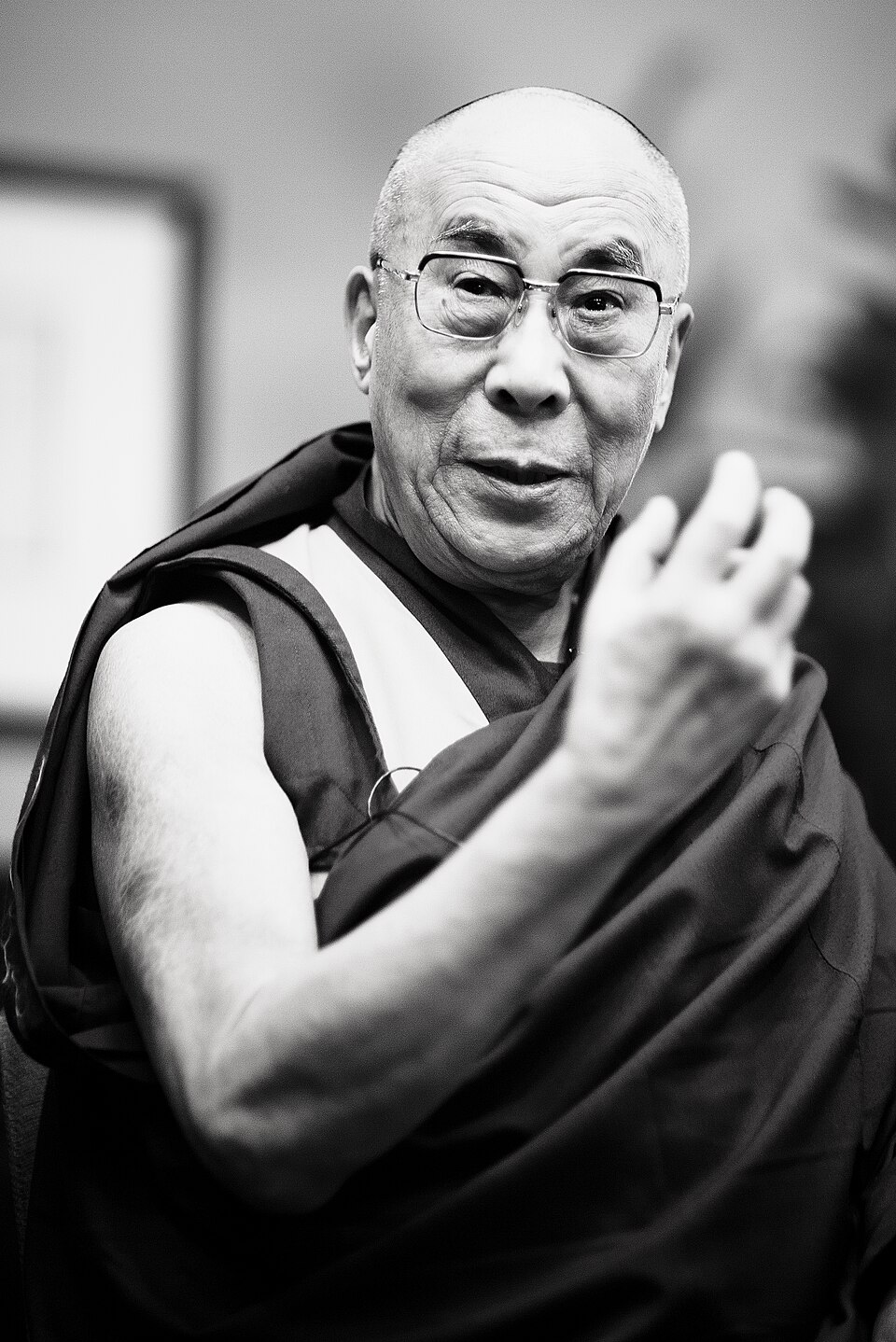
Black-and-white photograph of the Dalai Lama wearing glasses and gesturing
The Dalai Lama at MIT, October 2012. His introductory commentary is included in the cited Penguin edition. Christopher Michel · CC BY-SA 4.0

This is a contemplative reading trail around the text Johnny requested. Its traditional subject includes dying and rebirth; the Cabinet’s focus is the broader idea of an interval and the changing quality of awareness. The source belongs to Tibetan Buddhism, with its own practices and interpretive traditions, and is not evidence for quantum consciousness.

A text and a contemporary commentary

Bibliographic leads and attributed interpretations; no graphic imagery.

Black-and-white photograph of the Dalai Lama wearing glasses and gesturing
The Dalai Lama at MIT, October 2012. His introductory commentary is included in the cited Penguin edition. Christopher Michel · CC BY-SA 4.0

Tradition & esotericAuthorised publisher commentary excerpt · 2007 edition

Begin with a named translation

A named Penguin Classics translation with the Dalai Lama’s commentary: a traceable way into teachings on dying and daily life.

The Penguin edition credits Gyurme Dorje’s translation, Graham Coleman and Thupten Jinpa’s editing and introductory commentary by the Dalai Lama. The publisher describes both after-death teachings and practices for daily life. This is a clear reading lead with identifiable editorial provenance; the full translation has not been reviewed for this entry.

Free reading opens the publisher’s introductory commentary excerpt. Select EXCERPT if it does not open automatically. This is not the complete translation.

Source details & what was checked
  • Dalai Lama (commentary); Gyurme Dorje (translator); Graham Coleman and Thupten Jinpa (editors) / Penguin Classics · 2007 edition
    Publisher description, edition and translation credits checked 19 October 2026; full translation not read for this entry. The book addresses dying and after-death states within Tibetan Buddhism. This chapter focuses on awareness and transition, without graphic imagery. Access update, 20 October 2026: Actual IAB EXCERPT tab opened substantial introductory commentary on consciousness, interdependence, sleep/dreams and Tibetan religious views. No account/payment requested. The fragment is exposed by publisher navigation. This is commentary, not the entire translated scripture; religious claims not scientific evidence.
    The Tibetan Book of the Dead — introductory commentary excerpt (external source, opens a new tab) · In the source library

Editorial illustration: stacked waves between two points
Editorial illustration · Z13 visual study

Tradition & esotericBuddhist commentary · Winter 2001

Fremantle · Bardo in the middle of life

Fremantle’s Tricycle commentary applies bardo to life, dreams and meditation as well as dying: a Buddhist reading of transitions, not afterlife evidence.

Francesca Fremantle describes bardo as an interval that can separate experiences or connect them. Her account includes life, dreams and meditation among the six bardos, extending the discussion beyond the period associated with dying. This is her presentation of Buddhist teaching, not a laboratory finding about what happens after death.

The link to liminal spaces is a labelled thematic comparison. It does not collapse a religious tradition into an internet aesthetic.

Source details & what was checked