
 Odd Almanac
Strange places
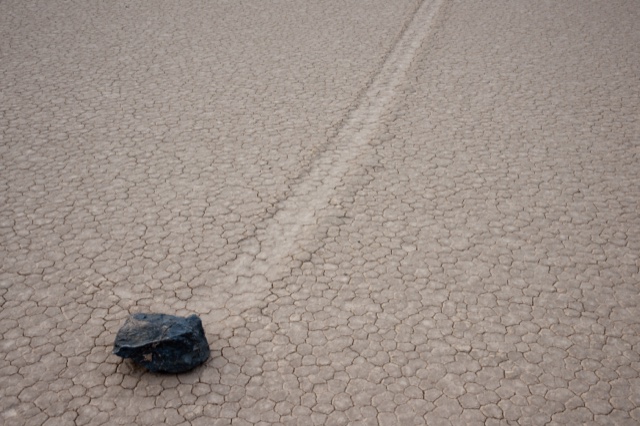 The desert stones pushed by thin sheets of iceAt Racetrack Playa, direct observations in 2013 caught floating ice panels pushing stones across wet mud.
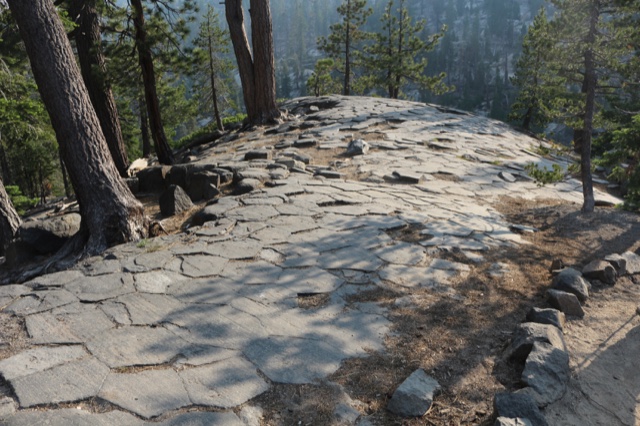 The stone columns made by cooling cracksBasalt can split into polygonal columns as a hot flow contracts; the cracks follow its cooling surfaces.
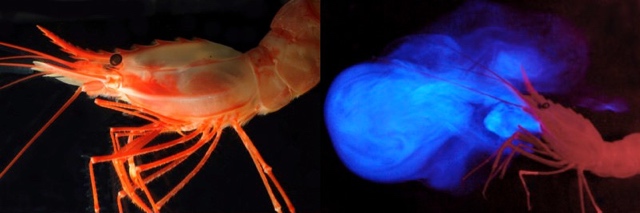 When the sea makes its own lightMarine organisms produce light through chemical reactions; glowing bays are one visible example of a much wider phenomenon.
 The clouds that catch sunlight after sunsetNoctilucent clouds are high-altitude ice clouds, lit by the Sun while the lower sky is already dark.
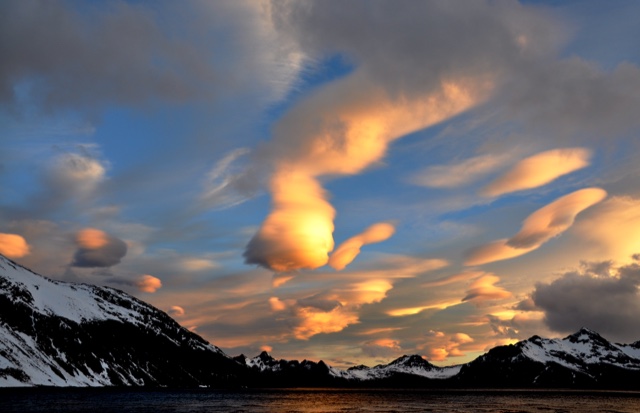 The cloud that stays put while air passes throughLenticular clouds can keep their position because droplets form and disappear within a standing atmospheric wave.
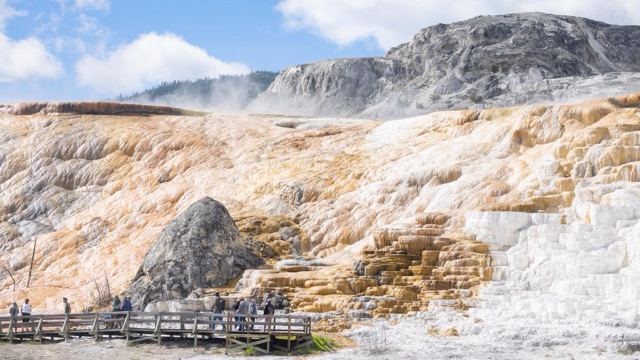 The hot springs that build their own terracesAt Mammoth Hot Springs, dissolved limestone returns as travertine when the rising water releases carbon dioxide.
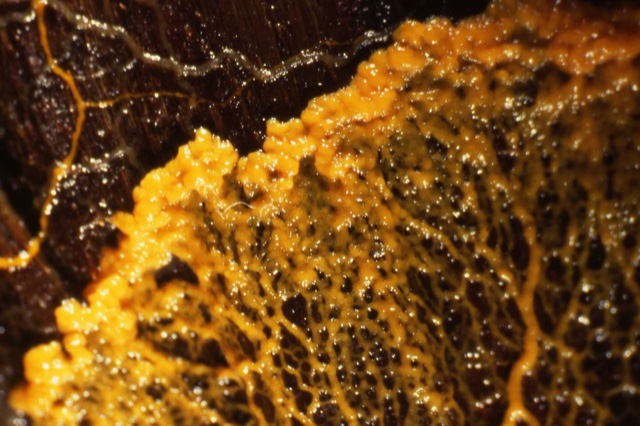 The slime mould that reshapes its tubes around foodA food stimulus reorganises a slime mould’s living tubes; a study separates measured changes from a proposed flow-based mechanism.
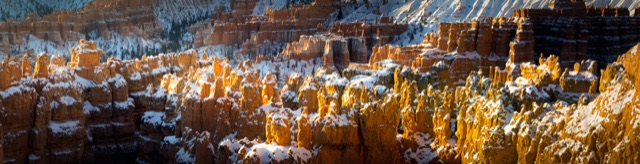 The rock spires sculpted by freezing waterBryce Canyon’s hoodoos emerge as ice and rain progressively dismantle uplifted sedimentary rock.
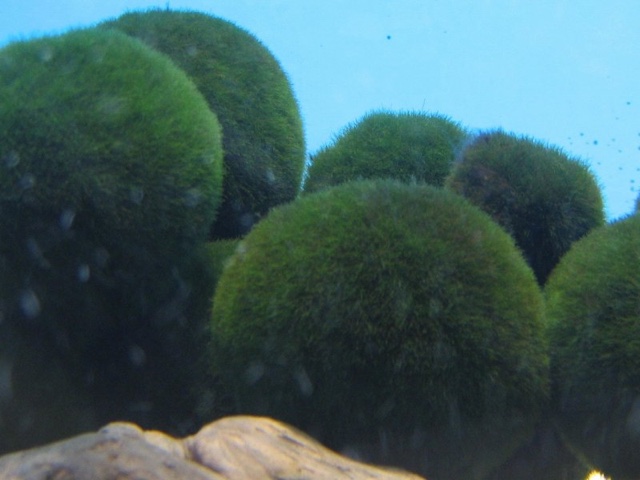 The green lake balls polished by wavesMarimo are algal aggregates; a Lake Akan study connected their spherical form with wave-driven rotation and water exchange.
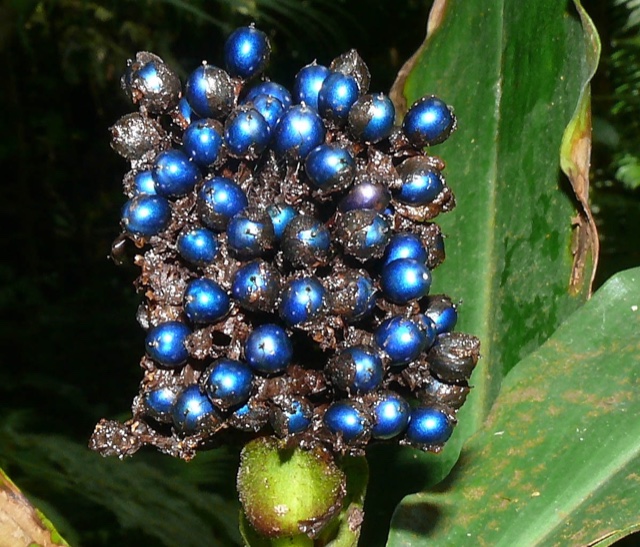 The blue fruit that keeps its colour without blue pigmentTwisted layers of cellulose give Pollia condensata fruit a metallic, pointillist colour that can persist in old specimens.
Mind & perception
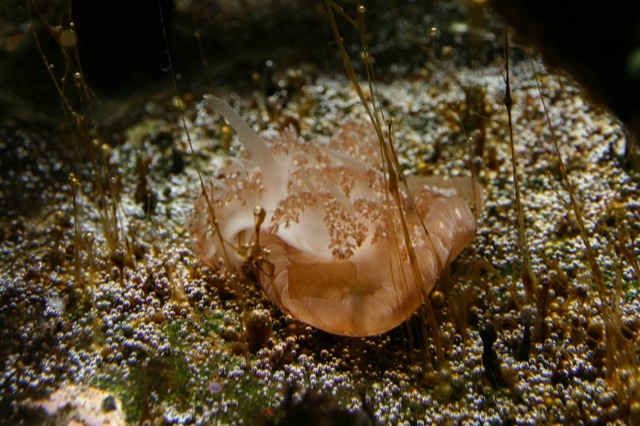 The upside-down jellyfish with a sleep-like stateCassiopea passed behavioural tests for reduced activity, slower responses and recovery after disturbed nights.
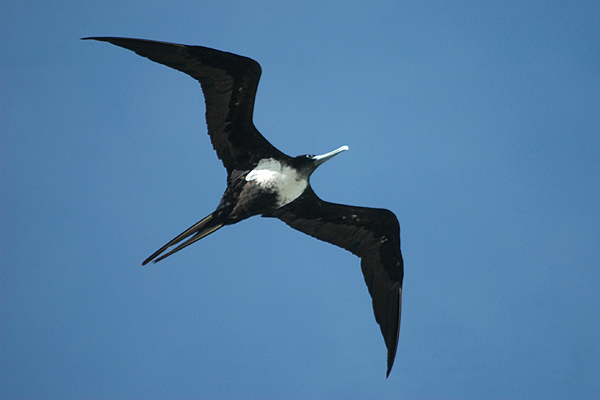 The frigatebirds caught sleeping on the wingBrain recordings showed great frigatebirds sleeping during soaring flights, sometimes with both hemispheres at once.
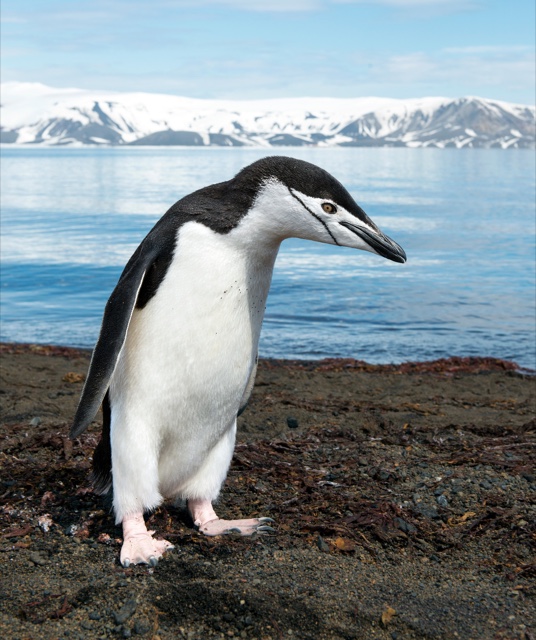 The penguins that accumulate sleep a few seconds at a timeNesting chinstrap penguins obtained substantial sleep through thousands of extremely short episodes.
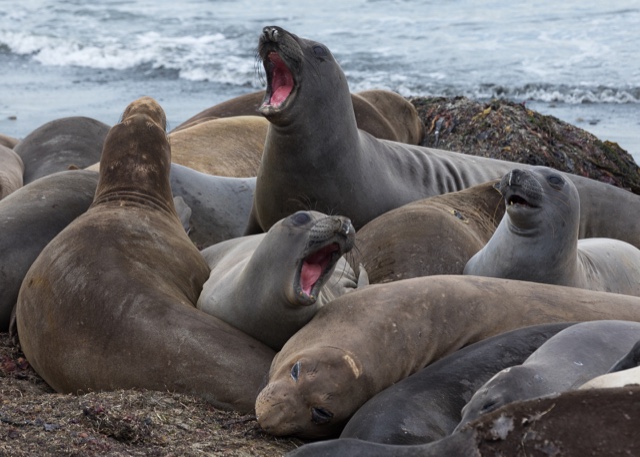 The seals that spiral downwards while asleepA waterproof brain-recording system revealed short sleeping dives in northern elephant seals.
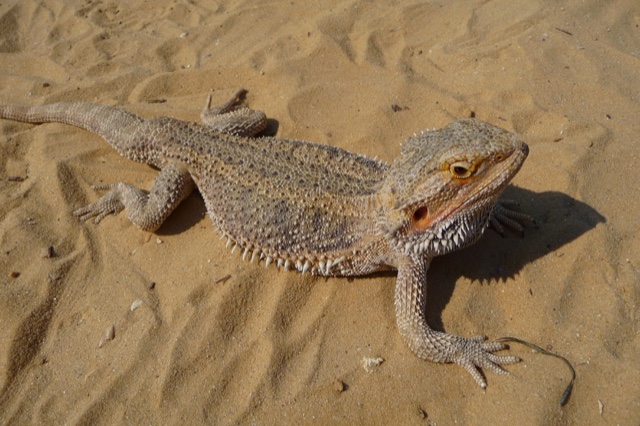 The lizards with two alternating sleep statesA 2016 study in bearded dragons recorded slow-wave and REM-like sleep features in a reptile.
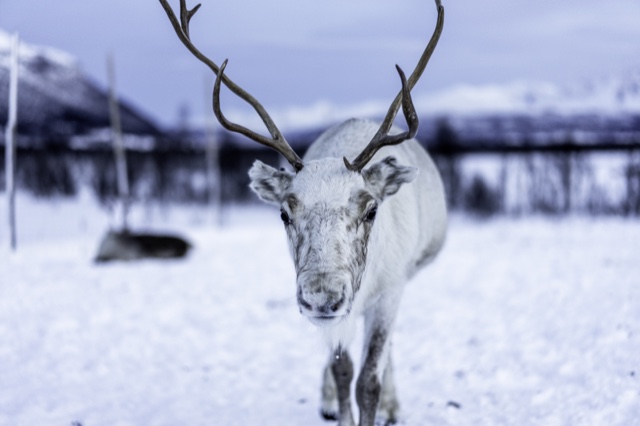 The reindeer that rest their brains while chewing cudBrain recordings linked rumination with reduced subsequent sleep pressure in captive Eurasian tundra reindeer.
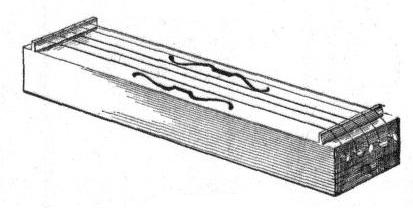 The harp played by moving airTwo nineteenth-century museum instruments belong to a family of zithers sounded by moving air.
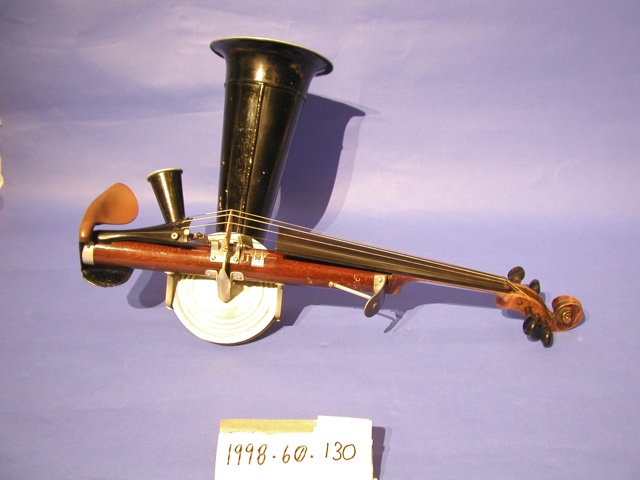 The violin that points its sound through a hornA Stroh violin addressed the recording studio’s acoustic problem without becoming an electric instrument.
 The drawing machine whose artwork was the encounterMuseum Tinguely describes a portable 1959 machine in which the drawing records an interaction.
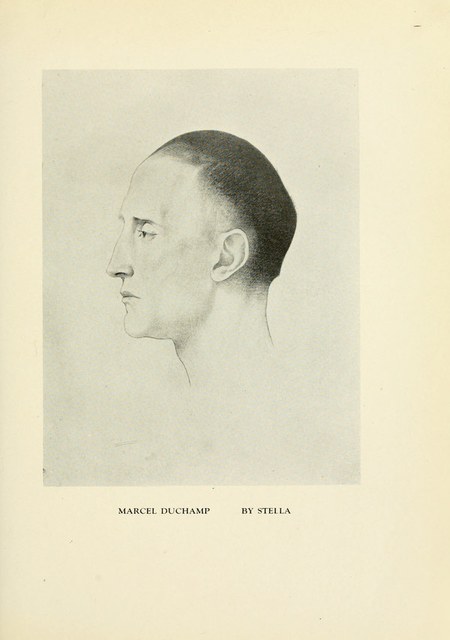 The flat discs that seem to grow into spaceDuchamp’s 1935 Rotoreliefs use rotation to suggest depth from printed cardboard.
 The steel loop Len Lye called UniverseA spring-steel band, electromagnets and a striking ball belong to one of Lye’s kinetic sculptures.
 The shoreline instrument played by the baySan Francisco’s 1986 Wave Organ channels moving water through twenty-five pipes.
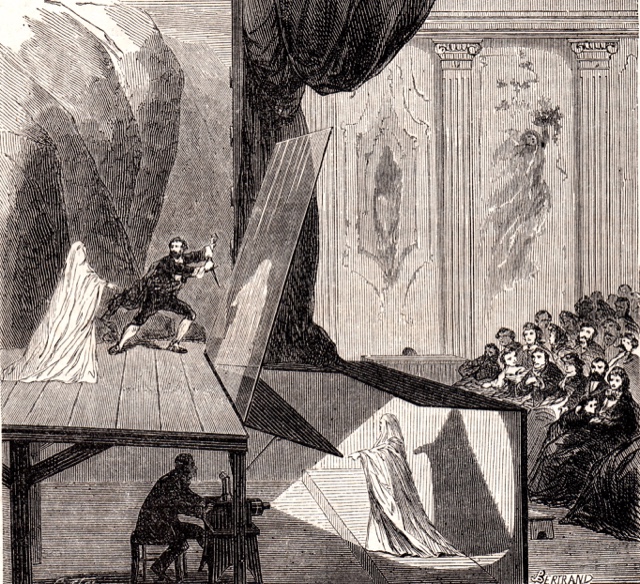 The theatre ghost made from light and glassA Westminster student project revisited a Victorian stage illusion with a carefully positioned image.
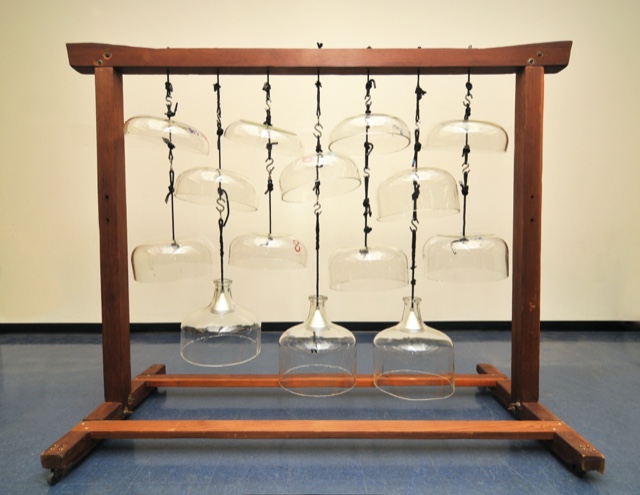 The composer’s gongs made from laboratory glassHarry Partch turned portions of Pyrex carboys into his Cloud-Chamber Bowls.
Belief & meaning
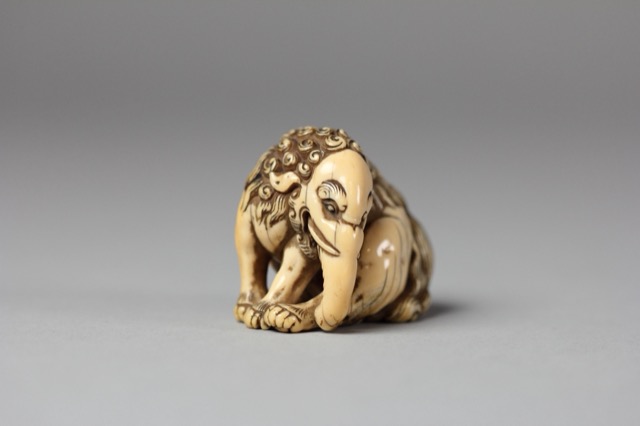 The small dream-eater carved to fit a kimonoMuseum records preserve the nightmare-eating baku as both a mythical protector and a compact netsuke subject.
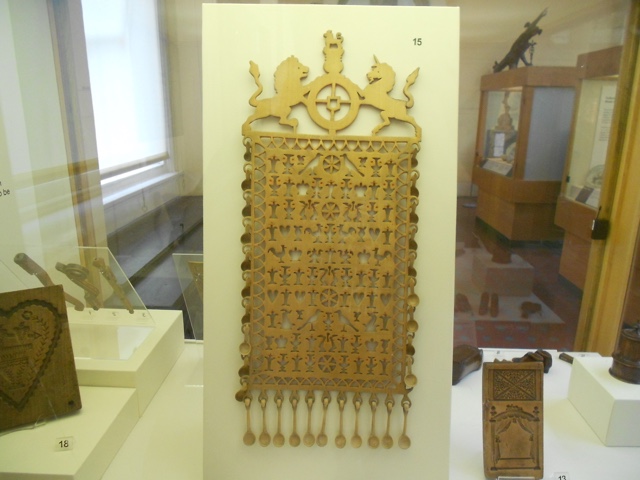 The love token carved from a single piece of woodWelsh lovespoons carry dates, initials and motifs whose meanings have changed over time.
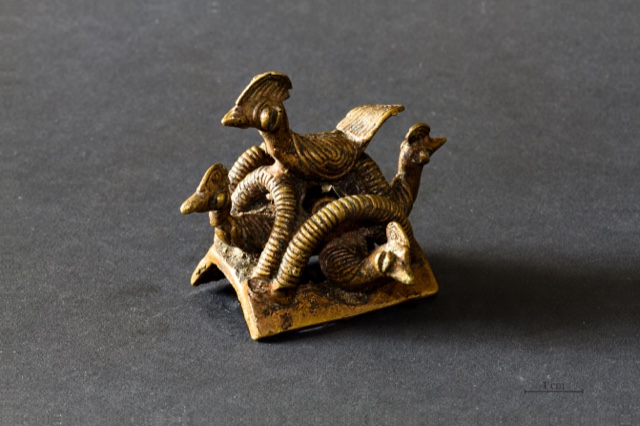 The tiny brass weights that also carried proverbsAkan gold-dust weights combine measurement with miniature figures and verbal traditions.
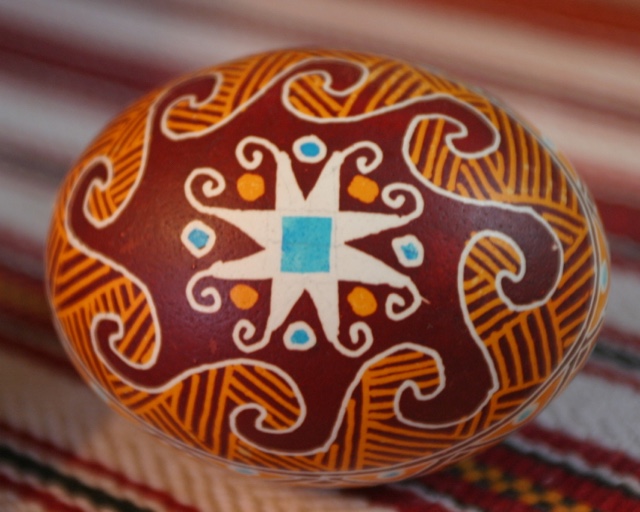 The egg designs described as writingPysanky preserve coloured patterns through wax, with meanings carried between families and collections.
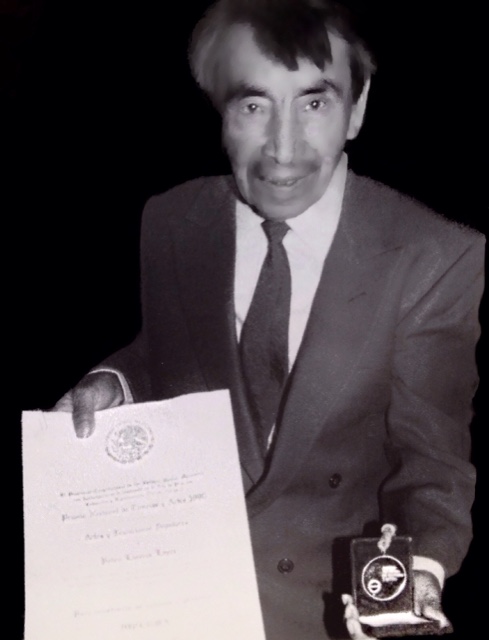 The creatures an artisan described meeting in a dreamPedro Linares’s alebrijes joined vividly painted animal parts in an influential Mexican folk-art form.
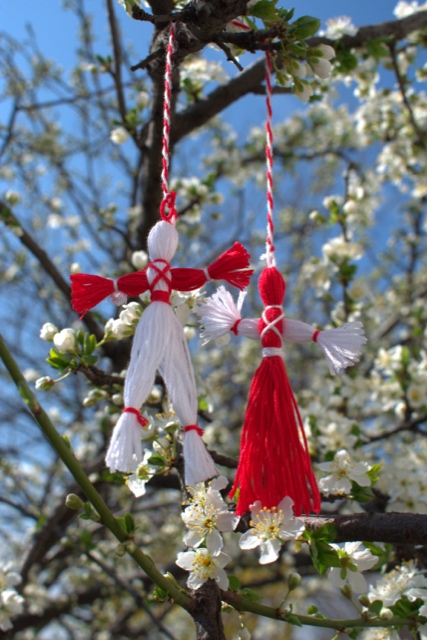 The red-and-white threads exchanged for springMărțișor links the first of March with a shared seasonal practice in several countries.
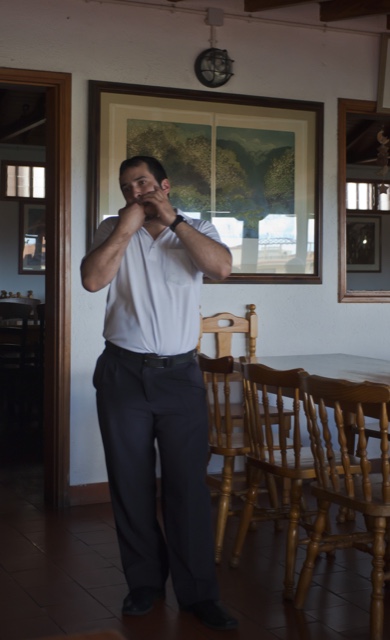 The island tradition that carries speech across ravinesA Canary Islands government account describes Silbo Gomero as communication and a taught cultural practice.
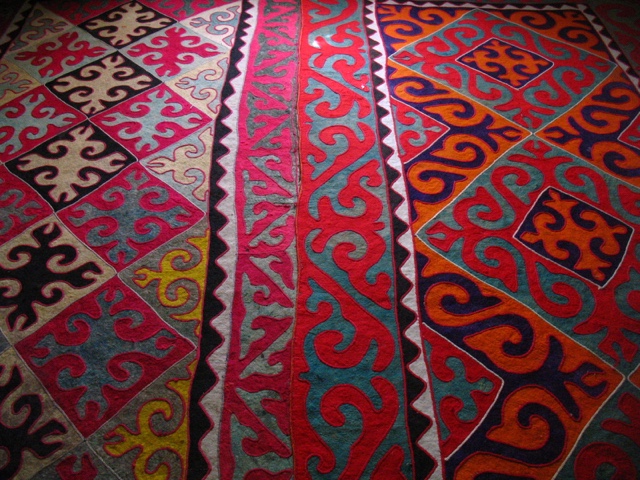 The felt mosaic made for a yurt interiorA Budapest museum account describes a Kyrgyz shyrdak through its construction, motifs and domestic setting.
 The paired paper guardians placed at a doorwayColumbia’s Chinese Paper Gods collection explains why printed figures could face one another across an entrance.
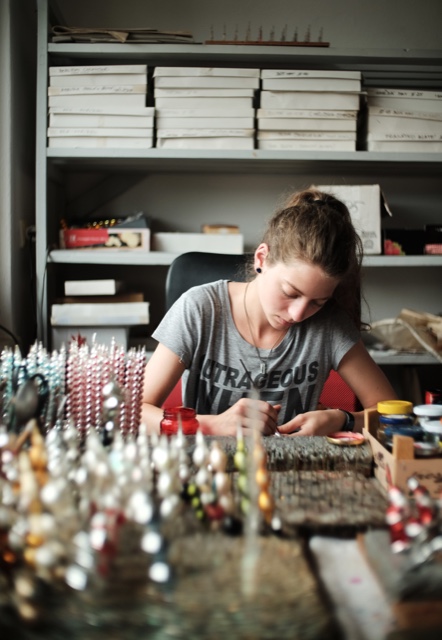 The Christmas stars assembled from tiny glass beadsA Czech craft-history account follows glass beads from clothing ornament to seasonal decoration.
Machines & futures
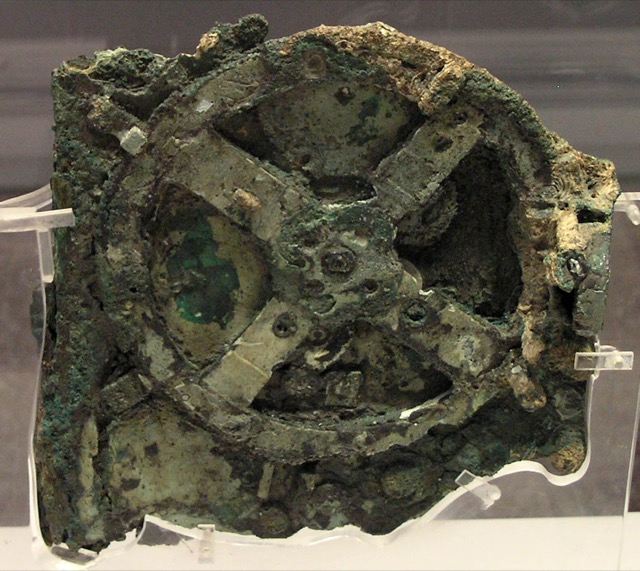 The corroded gears that once mapped the skyA 2021 reconstruction used hidden inscriptions and surviving fragments to propose the missing front display of the Antikythera mechanism.
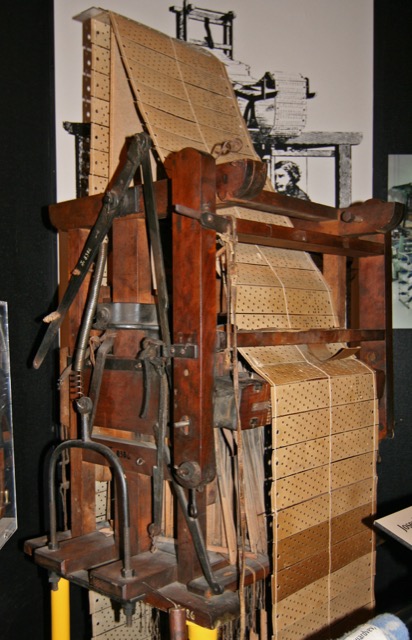 The loom that read a chain of punched cardsA Jacquard loom stores a repeating textile pattern in holes that select which warp threads rise.
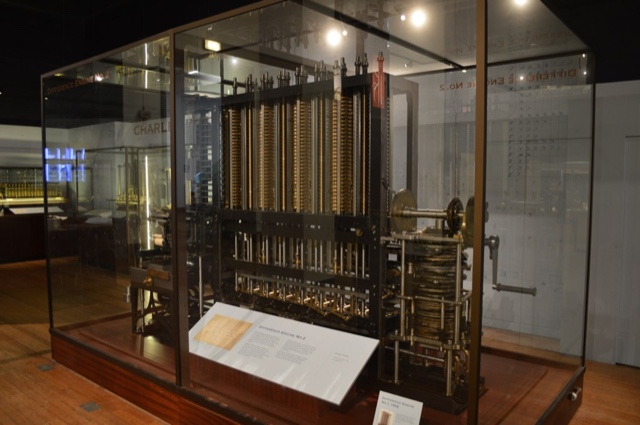 Babbage’s 1991 calculator and its 2002 printerThe Science Museum built the calculating section of Difference Engine No. 2 in 1991, then added its printing apparatus in 2002.
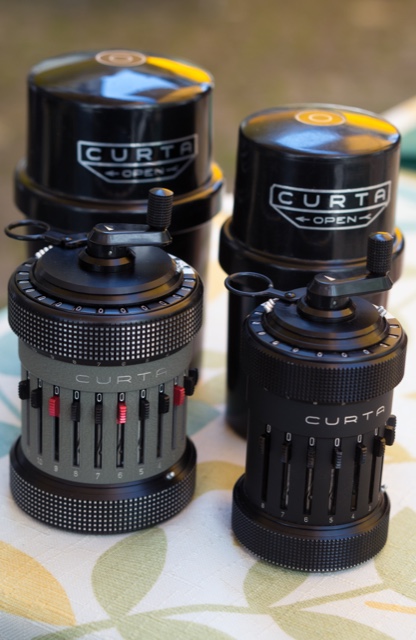 The pocket calculator with a crank on topThe Curta packed mechanical arithmetic into a small cylinder and remained useful to car-rally competitors after electronic calculators appeared.
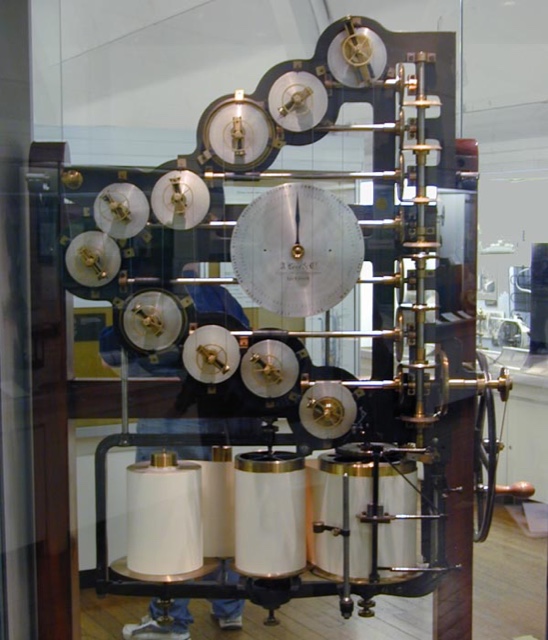 The machine that added tides with pulleysMechanical tide predictors combined recurring motions into a curve of expected water heights.
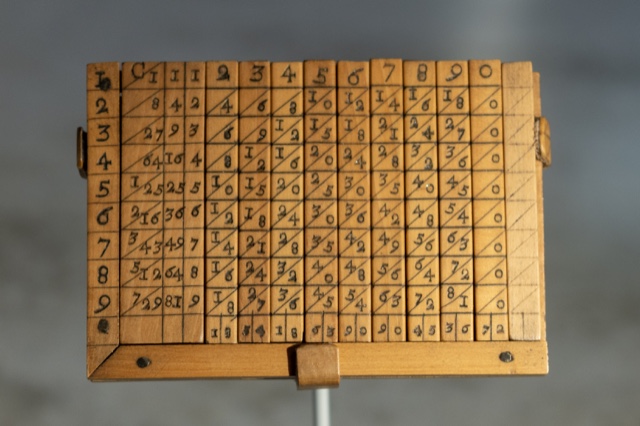 The numbered rods called Napier’s bonesMovable rods arranged multiplication tables so readers could combine precomputed numbers instead of starting every calculation afresh.
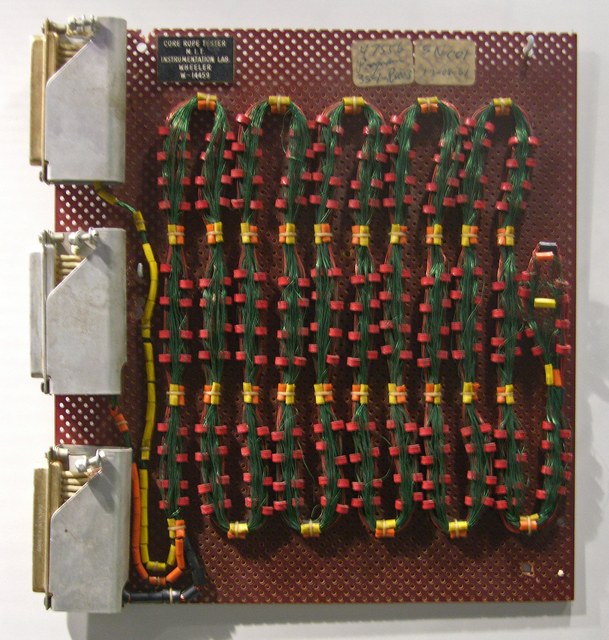 The computer memory made by threading wiresApollo-era rope memory encoded fixed data in the routes that wires took through or around magnetic cores.
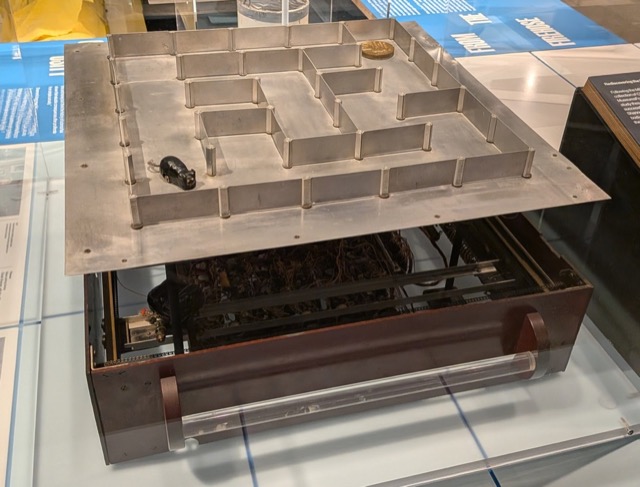 The relay maze that remembered a mouse’s routeTheseus used a magnetic mouse and circuitry beneath a movable maze to search for a target and retain a successful path.
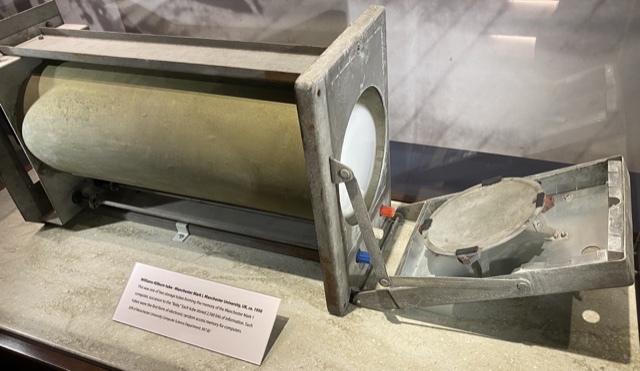 The screen that remembered dots by refreshing themAn early computer memory used charge patterns on a cathode-ray tube, continually renewed before they faded.
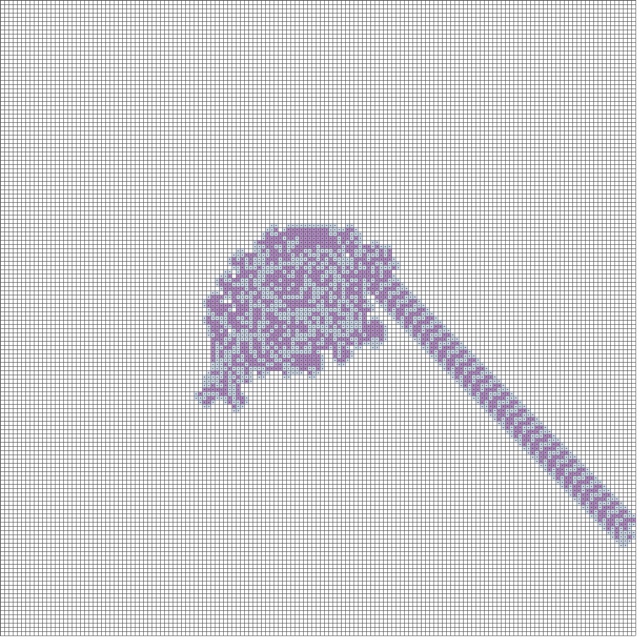 The rule-following ant that builds a highwayA two-state lattice rule produces a complicated track before a regular travelling pattern appears in the classic uniform-grid example.
Other realities
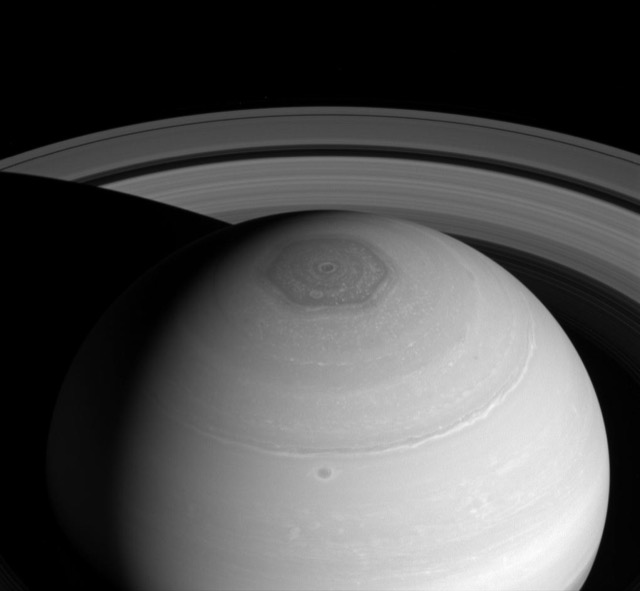 The six-sided jet stream around Saturn’s poleCassini’s observations revealed a long-lived atmospheric current with a hexagonal outline, enclosing a polar storm.
 The icy moon that sprays material into Saturn’s ringCassini traced Enceladus’s south-polar jets to warm fractures and sampled material in the plume.
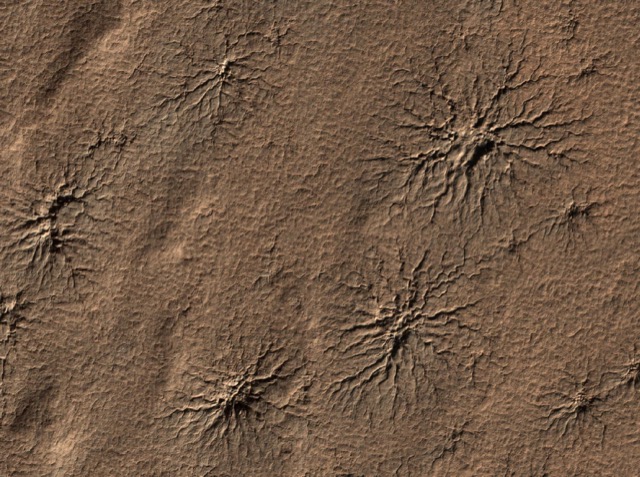 The Martian spiders made by gas beneath iceBranching scars near Mars’s south pole have a carbon-dioxide explanation that researchers tested in a laboratory.
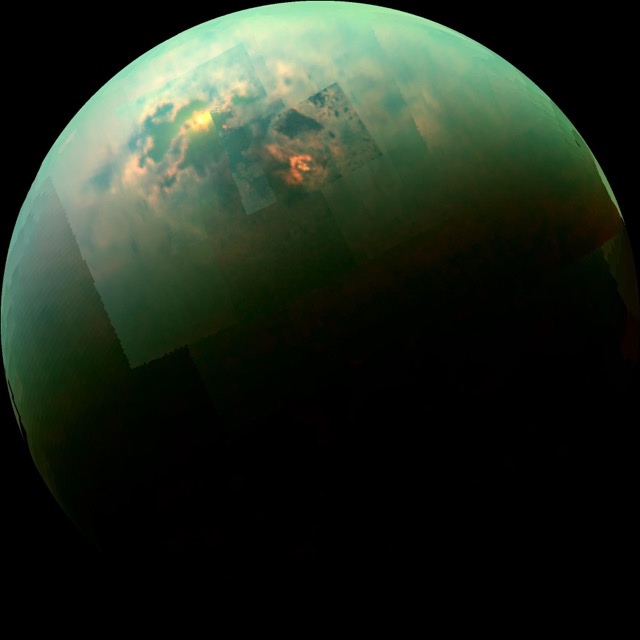 The deep methane lakes perched on Titan’s hillsCassini’s final Titan flyby supplied radar measurements of small northern lakes with unexpected depths and elevations.
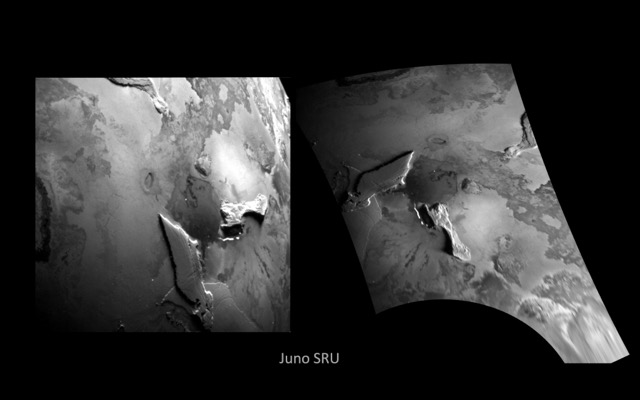 The bright lava rings around Io’s dark lake crustsJuno’s infrared measurements reveal hot margins around lava lakes, helping researchers model how their crusts move.
 The star flash that lit up dust already in placeHubble’s changing views around V838 Monocerotis record scattered light reaching different parts of a surrounding dust cloud.